£11 Million Annual Graffiti Removal on London's Tube
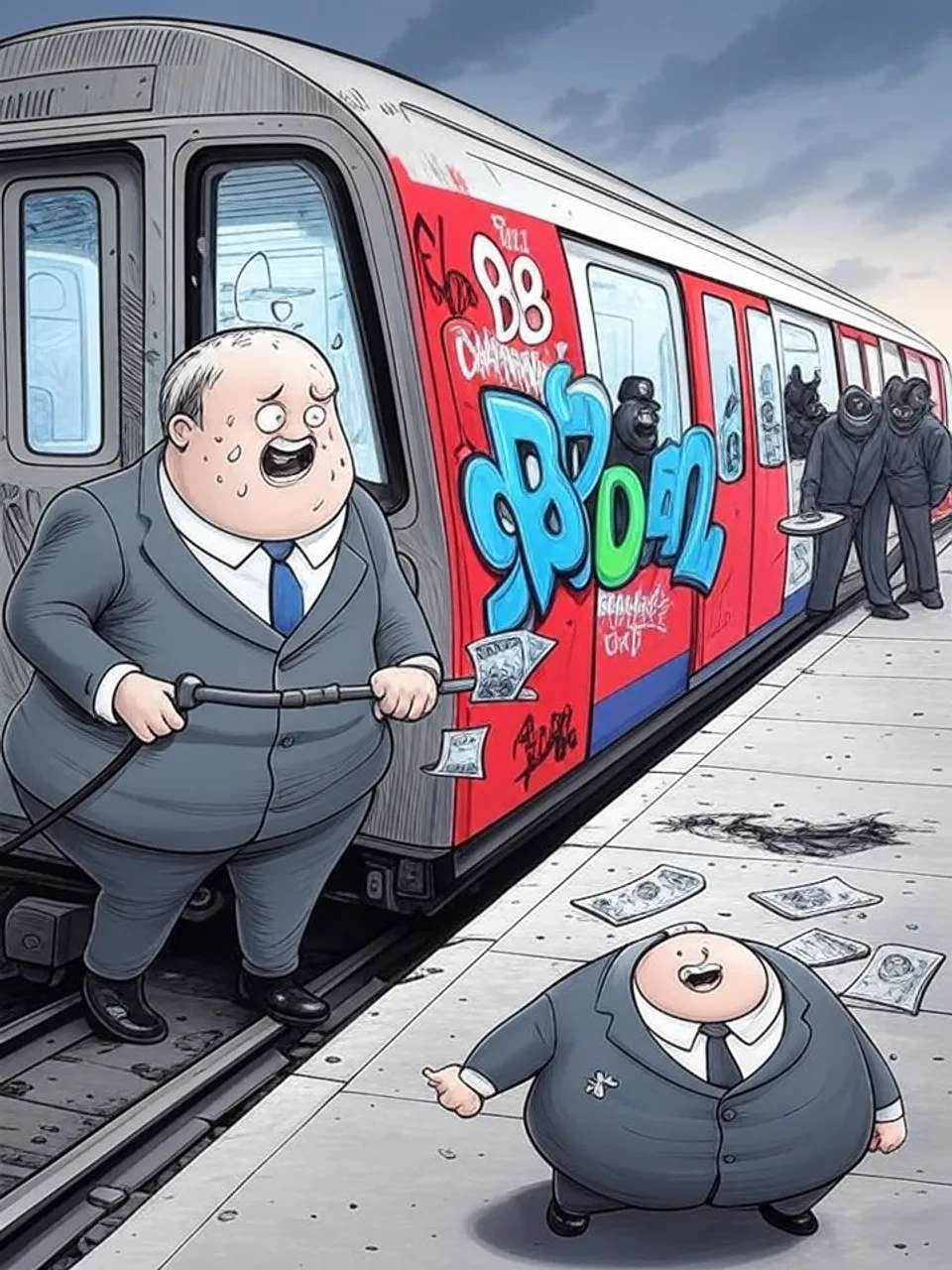
One tag erased every three minutes amid hotspot failures
TfL's £10m-£11m yearly spend on Tube graffiti reveals failed prevention, diverting funds from services as vandalism spikes unchecked by police partnerships. This drains commuter-funded budgets in a pattern of public disorder.
TfL Commissioner Andy Lord revealed spending of £10 million to £11 million yearly on Tube graffiti. This covers cleaning, investigations, and prevention after a spike in tags, especially on Bakerloo and Central lines. Staff remove one tag every three minutes, totaling over 3,000 weekly in summer.
The scale exposes basic prevention failures. Vandals access “hotspot locations” to tag trains out of service. TfL teams photograph tags for prosecutions, partnering with British Transport Police, yet the problem persists.
Proactive efforts consume vast sums. Lord emphasized close work with police investigation units. No data emerged on successful prosecutions or access barriers installed at hotspots.
Londoners fund this through fares and taxes. £11 million equals the cost of 110,000 annual Tube journeys at average prices. Resources vanish into repetitive cleanup rather than upgrades or expansions.
Vandalism Spike Signals Wider Disorder
Graffiti tags surged despite enforcement claims. TfL’s Freedom of Information response confirmed relentless staff labor. Cleaners handle most removals off-service, but some occur internally during runs.
Lord warned against public “guerrilla cleaning” for safety and damage risks. This reliance on official teams underscores eroded deterrence. Vandalism thrives unchecked in a system strained by volume.
British Transport Police involvement yields no visible dent. Hotspots remain vulnerable overnight or in depots. The partnership mimics national policing patterns where recording outpaces resolution.
Budget Drain Mirrors Public Service Strain
£11 million represents 0.5% of TfL’s £3.5 billion operating budget. That funds no new trains, signals, or stations. Instead, it sustains a cycle of deface, photograph, erase.
Compare to 2010s: graffiti existed but not at this fiscal toll. Post-pandemic recovery amplified anti-social acts across UK transport. Theft hit £16.7 million monthly in London retail; Tube tags add parallel erosion.
Councils and police divert to non-essentials elsewhere. Non-crime hate incidents logged 133,000 since 2014, pulling focus from crimes like vandalism. TfL’s spend reflects the same institutional overload.
Cross-Party Neglect of Prevention
Successive governments underfunded transport policing. Labour’s 2000s emphasized cleaning over barriers; Conservatives post-2010 cut police budgets by 20%. Both left TfL exposed.
Andy Lord, appointed under Sadiq Khan’s mayoralty, admits the spike. No prior commissioner quantified such costs publicly. Accountability stops at disclosure, with no resignations or reforms.
Hotspot access points demand simple fixes: fencing, CCTV, patrols. Yet layers of procurement and approvals delay action, as seen in national infrastructure jams. Vandalism recurs because consequences evade perpetrators.
Everyday Impact on Commuters
Tube riders face tagged carriages daily. Cleanups delay services; investigations tie up staff. Fares rose 4.9% in March 2025 amid this drain.
Pensioners rough-sleeping or graduates fleeing echo the squeeze. Public money props up a visibly decaying network. Trust erodes as visible disorder mounts.
Functional governance would seal depots and prosecute repeat taggers swiftly. UK systems deliver neither. The £11 million bill proves maintenance now dominates over progress.
This episode lays bare London’s managed decline. Basic order unravels while officials tally costs without halting the bleed. Britain pays ever more to merely hold the line against its own decay.
Commentary based on London Underground graffiti crackdown costing up to £11m at BBC News.