15,000 British Applicants Denied Doctor Training Annually
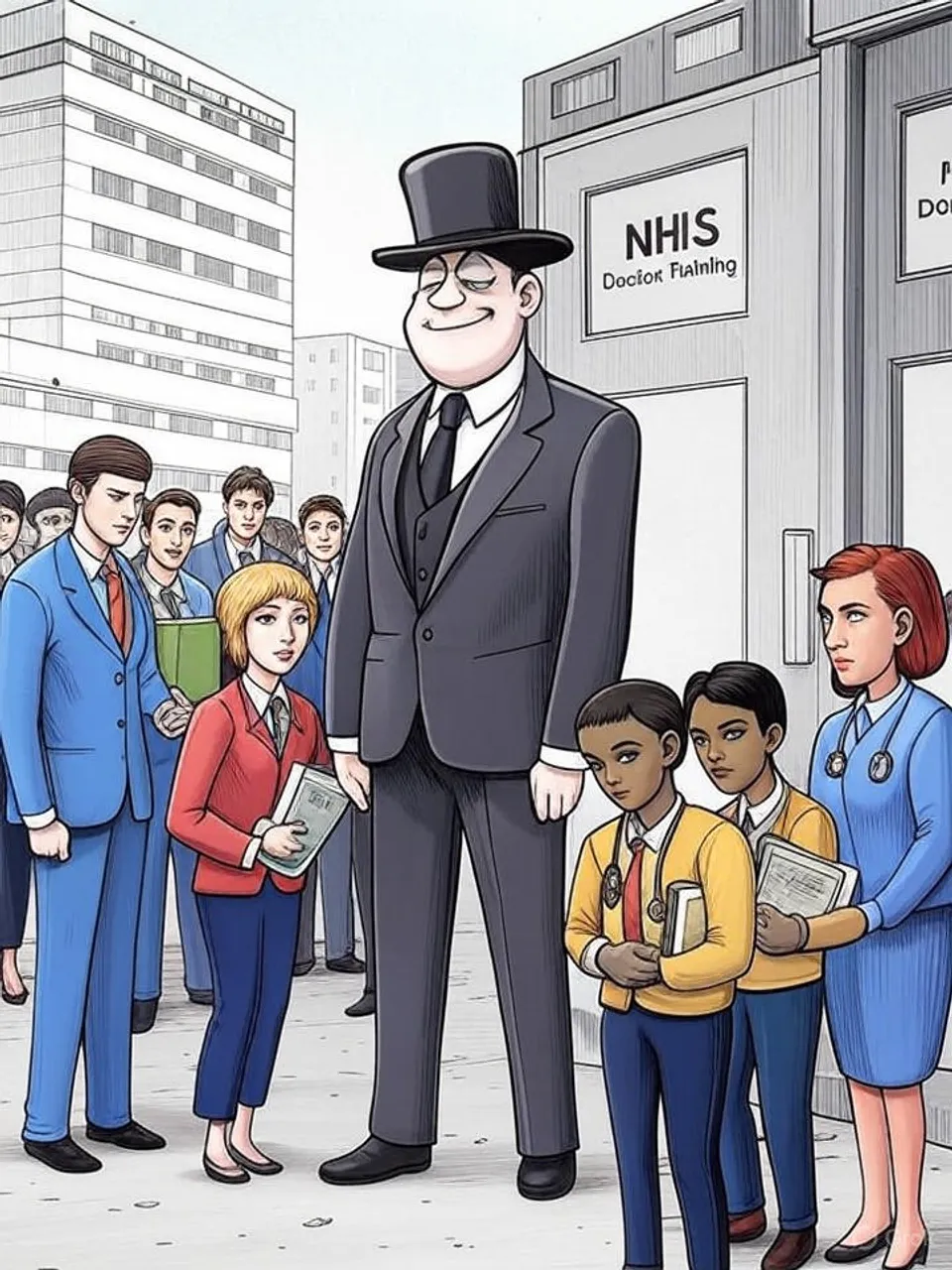
25,770 apply for 8,126 NHS places as imports surpass home training
UK governments cap medicine training at 8,126 places despite 25,000+ applicants yearly, rejecting qualified Britons while importing over 40% of NHS doctors from abroad. Cross-party failure sustains shortages and ethical drains.
UCAS data for the 2026 medicine cycle shows 25,770 British applicants competing for 8,126 state-funded places. Governments allocate no more slots despite surging demand. This rejects over 17,000 qualified young Britons each year.
The pattern holds steady. Last year saw more than 23,000 applications for the same 8,126 places. The year prior logged over 24,000 bids for under 8,000 spots.
Leaders cite complexity and cost to justify the cap. They fund no expansion. Instead, the NHS imports doctors at scale.
Overseas-trained doctors filled 12% of NHS roles in the late 1950s. That share hit 37% by 2019. Today, the General Medical Council reports over 40%.
Since 2018, imports exceed UK-trained graduates joining the NHS. The gap widens yearly. Britain now recruits more foreign doctors than it produces domestically.
This reliance drains medical talent from poor nations. Countries with dire shortages lose staff to UK vacancies. Ethical concerns mount, yet policy persists.
Training Bottleneck Persists Across Governments
Conservative and Labour administrations maintain the place cap. No party expands domestic training to match demand. The “Uniparty” approach prioritizes short-term staffing over long-term capacity.
NHS leaders warn of collapse without immigration. Politicians echo this to defend high inflows. Yet they sidestep the root: underinvestment in British talent.
Taxpayers fund imports via salaries and relocation. Domestic rejection wastes applicant time and potential. Systemic inertia blocks reform.
Productivity suffers as vacancies linger. Waiting lists balloon. Ordinary citizens face delays while policy chugs unchanged.
Immigration Rhetoric Masks Structural Failure
Pro-immigration voices brand NHS staffing a compassion imperative. They attack critics like Reform UK for threatening the service. Omitted: the annual rejection of 15,000-plus homegrown candidates.
This hypocrisy spans the left. Figures from Starmer to Corbyn invoke NHS collapse to justify inflows. No equivalent push exists for training expansion.
Cross-party silence sustains the cycle. Governments import to paper over shortages. Brain drain abroad and talent waste at home compound the damage.
Historical comparison underscores decline. Postwar Britain built its medical workforce domestically. Today’s model inverts that self-reliance.
Integration strains follow. Imported doctors face language and cultural barriers. Retention falters, perpetuating shortages.
Vetting risks emerge in rushed recruitment. Public trust erodes as scandals surface. Voters sense the disconnect between rhetoric and reality.
The outcome reveals institutional pathology. Power structures reward inaction. Officials promise fixes, deliver imports, evade accountability.
No minister loses office over the cap. Civil servants rotate roles. The bottleneck endures, indifferent to elections.
Citizens bear costs: higher taxes, longer waits, eroded services. Young Britons pivot careers, denied paths once routine.
This exemplifies UK decline. Governments across decades choose expediency over investment. NHS fragility stems not from immigration critique, but chronic underfunding of its core workforce.
Domestic talent rejection signals deeper rot. Britain hollows its future while propping the present. Decline accelerates as capability atrophies.
Note: This article was accessed via the Internet Archive Wayback Machine (archived 2025-12-12) as the original source was unavailable.
Commentary based on Matt Goodwin by Matt Goodwin on mattgoodwin.org.