£16.7 Million Monthly Theft Haunts London Retailers
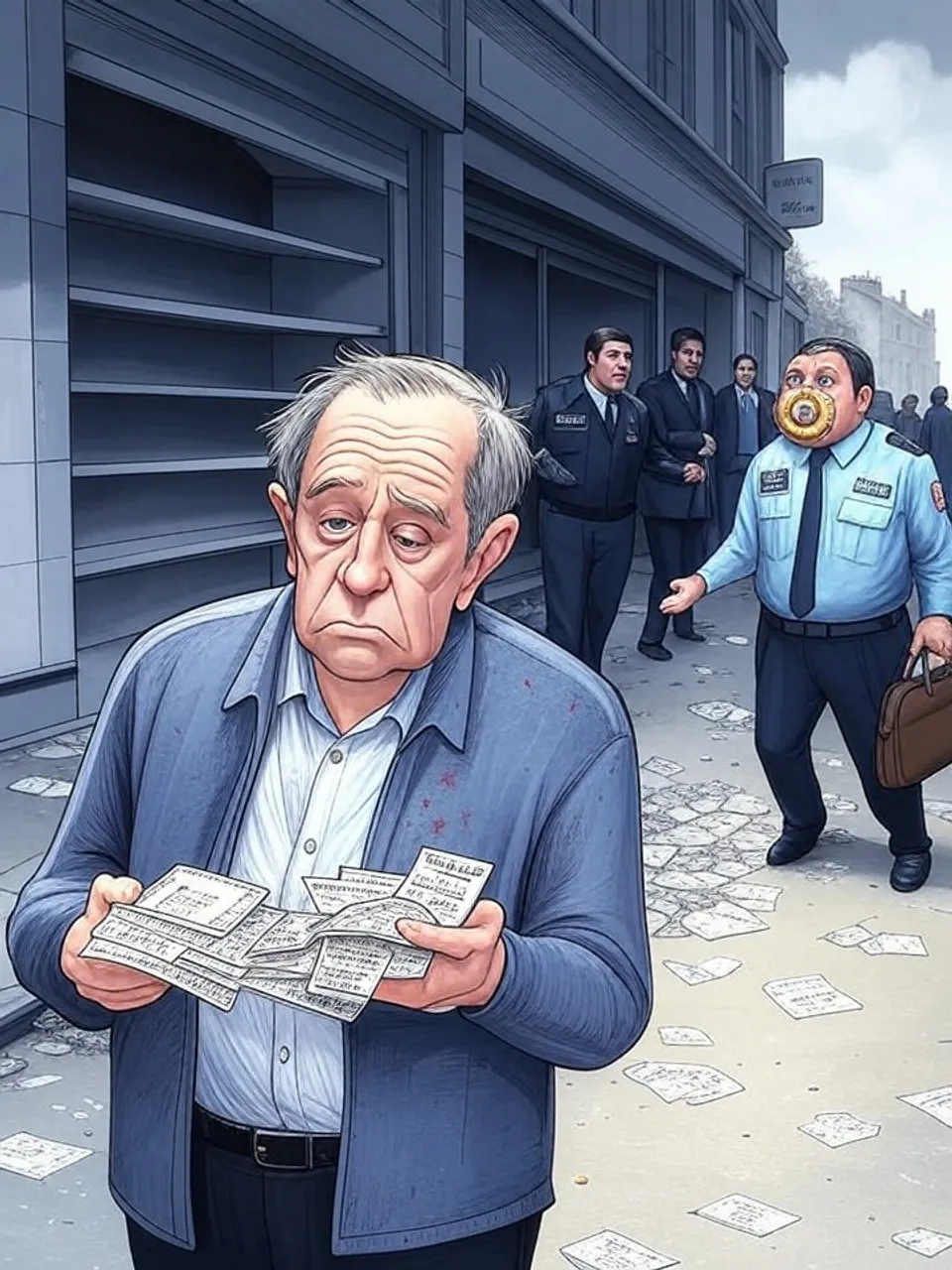
99,363 offences logged, true scale nine times higher
London's shoplifting costs retailers £16.7m monthly amid 12% rise and police blaming victims. Crackdowns yield arrests but fail to stem fastest-growing crime, dooming high streets.
Commentary Based On
The Standard
London’s shoplifting epidemic is revealed as thieves rob retailers of £16.7million a month
London retailers forfeit £16.7 million each month to shoplifters. The Metropolitan Police logged 99,363 offences in the 12 months to December, a 12 per cent increase year-on-year. This epidemic accelerates as the fastest-growing crime in the capital.
Frontline staff face racist slurs, sexist abuse, threats, and violence when intervening. Industry surveys show nine in ten incidents go unreported due to eroded faith in police response. Actual losses dwarf official tallies.
Westminster records the highest at 8,125 cases, anchored by Oxford Street’s business district. Newham follows with 5,448, home to Westfield Stratford City. Eleven boroughs exceed 3,000 offences each.
Police launched Operation Baselife in November, arresting over 140 in the West End. Commissioner Sir Mark Rowley claims a 4.4 per cent drop since April, sparing 3,000 victims. He concedes retailers criticised forces rightly two years ago but now demands they “step up more.”
Retailers reject partial blame. The British Independent Retailers Association cites staff disillusionment and calls for consistent policing standards. Some stores suffer repeated hits—one Co-op endured three lootings in a single day.
Convictions reached an eight-year high across England and Wales. Offenders in their 40s and 50s now dominate guilty verdicts. Yet businesses shutter or flee neighbourhoods as theft erodes viability.
Policing Patterns Emerge
Metropolitan Police deploy live facial recognition and extra officers in hotspots. Superintendent Natasha Evans touts doubled solve rates for shoplifting. These tactics yield arrests but fail to halt the underlying surge.
Rowley’s interview with the Daily Telegraph flips responsibility. Retailers who absorb £200 million annually in unrecovered losses hear demands for greater cooperation. No data quantifies retailer contributions to past declines.
This mirrors cross-party policing inertia. Governments since 2010 cut neighbourhood officers, then Labour pledges 3,000 more by 2026. Shoplifting persists amid broader crime patterns, from uncharged strangulations to migrant crossings.
Economic Ripples Spread
High streets crumble under the strain. Independent retailers, high street anchors, face closure without visible police support. The £200 theft loophole ends via new legislation, but implementation lags.
Productivity suffers as staff brace for theft during January sales. Organised gangs target beauty products and goods for resale. Taxpayers fund police operations while private losses mount unchecked.
National context amplifies the damage. Retail crime drains resources from welfare-strapped councils and nurse pay freezes. Fiscal deficits from migration compound the squeeze on working households.
Shoplifting exposes London’s law enforcement core. Police claim reversals while theft costs £200 million yearly and drives businesses under. Institutions prioritise operations over sustained deterrence, perpetuating retail decay across governments.
This slice of urban breakdown signals wider UK fracture: crime unchecked, blame deflected, high streets hollowed. Ordinary Londoners witness prosperity evaporate in plain sight, with no governing fix in two decades.
Commentary based on London’s shoplifting epidemic is revealed as thieves rob retailers of £16.7million a month by Anthony France on The Standard.