£18 Billion Welfare Surge Buries Labour's Fiscal Vows
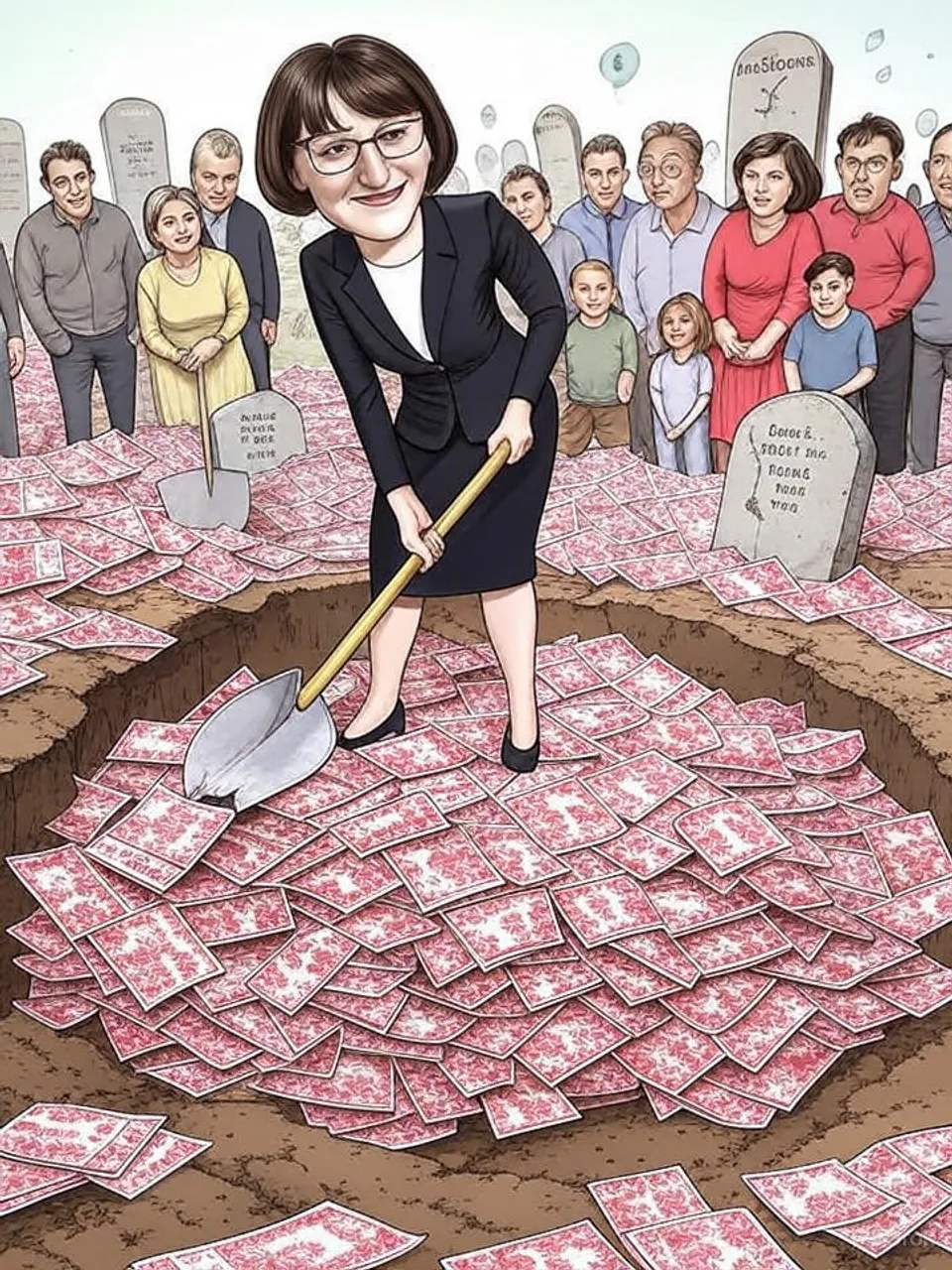
Threshold freezes drag nine million into higher taxes amid U-turns on child benefits and pensions
Rachel Reeves's Budget adds £15 billion to benefits through reversals and inflation-linked rises, funded by middle-class tax hikes that breach manifesto promises. This cross-party pattern exposes unchecked spending growth and political pressures overriding economic prudence.
Rachel Reeves allocates £15 billion more to benefits in the upcoming Budget, reversing earlier cuts and expanding entitlements despite Labour’s pre-election vows against tax hikes on working people.
This spending surge funds four key reversals: scrapping the two-child benefit cap at £3 billion annually, a 3.8 percent uplift to working-age benefits costing £6 billion, reinstating most winter fuel payments at £1.25 billion, and abandoning £5 billion in planned welfare reforms.
The total marks an £18 billion increase in the benefits bill since Labour’s 2024 Budget, when a 1.7 percent uprating added £2.7 billion.
Official forecasts project health and disability benefits alone reaching £100 billion by 2030, a trajectory unchecked by either party in power.
Fiscal Reversals Under Pressure
Labour entered office promising fiscal discipline to repair Tory “messes,” yet internal rebellions forced these U-turns within months.
Reeves’s spring attempt at £5 billion in Personal Independence Payment savings collapsed under MP opposition, preserving unchecked growth in disability claims.
Winter fuel payments, cut for all but the poorest pensioners, returned almost intact after pensioner backlash and Labour dissent.
These concessions prioritize party unity over the Chancellor’s initial restraint, echoing Conservative retreats on austerity measures from 2010 onward.
Tax Burden Shifts to Middle Earners
The £15 billion hole fills through threshold freezes on income tax, pulling nine million into basic or higher rates by 2030—directly contradicting Labour’s manifesto pledge against such rises for “working people.”
An additional 1.7 million pensioners will pay tax on their incomes by 2027, despite the triple lock’s £8 billion boost delivering £550 extra annually to new state pension recipients.
Other measures target dividends, gambling, salary schemes, electric vehicles via pay-per-mile taxes, and a softened property levy on homes over £2 million, affecting 150,000 households.
Critics label this a “smorgasbord” of stealth taxes, but the pattern mirrors fiscal squeezes under both Labour and Conservative governments since 2010, where middle-income groups absorb rising costs.
Market Warnings Ignored
Former Bank of England economist Andy Haldane warns of a “vulnerable moment” for markets, demanding control over public spending lest confidence evaporates.
Welfare’s expansion pushes total outlays higher amid a £30 billion public finance shortfall from weak growth forecasts.
Yet political calculus dominates: Starmer faces leadership plots, with polls showing under 20 percent support for Labour, compelling concessions to left-wing MPs and unions like Unite.
This internal fragility overrides economic signals, much as Conservative welfare freezes from 2015-2019 yielded to post-Brexit pressures.
Cross-Party Welfare Inertia
Conservative shadow chancellor Mel Stride highlights the hypocrisy, noting his party’s benefits spending rose sharply under his watch as Work and Pensions Secretary.
Labour retorts by blaming Tory legacies, but data shows universal patterns: benefits claims by foreign nationals surged 44 percent since 2022 under Conservatives, now compounded by these expansions.
Neither side confronts root drivers like disability claim inflation or employment barriers for youth, opting instead for short-term political fixes.
Reviews on PIP and youth employment, due next summer, promise reforms for the 2026 Budget, but history suggests delays and dilutions.
The £18 billion escalation reveals entrenched incentives: governments across parties expand welfare to buy loyalty, funding it through diffused tax pain on the productive middle.
This cycle erodes fiscal space, repels investment, and sustains dependency, as Britain’s productivity lags peers and net emigration of high earners hits records.
Ordinary families face higher taxes on stagnant wages, while benefits balloon without addressing underlying economic stagnation.
UK governance prioritizes survival over solvency, turning welfare into a perpetual escalator with no brakes— a decline etched in every reversed cut and frozen threshold.
Commentary based on Reeves’s welfare giveaway to top £15bn by Ben Riley-Smith on The Telegraph.