£203,000 Per Household Funds Untouchable Public Pensions
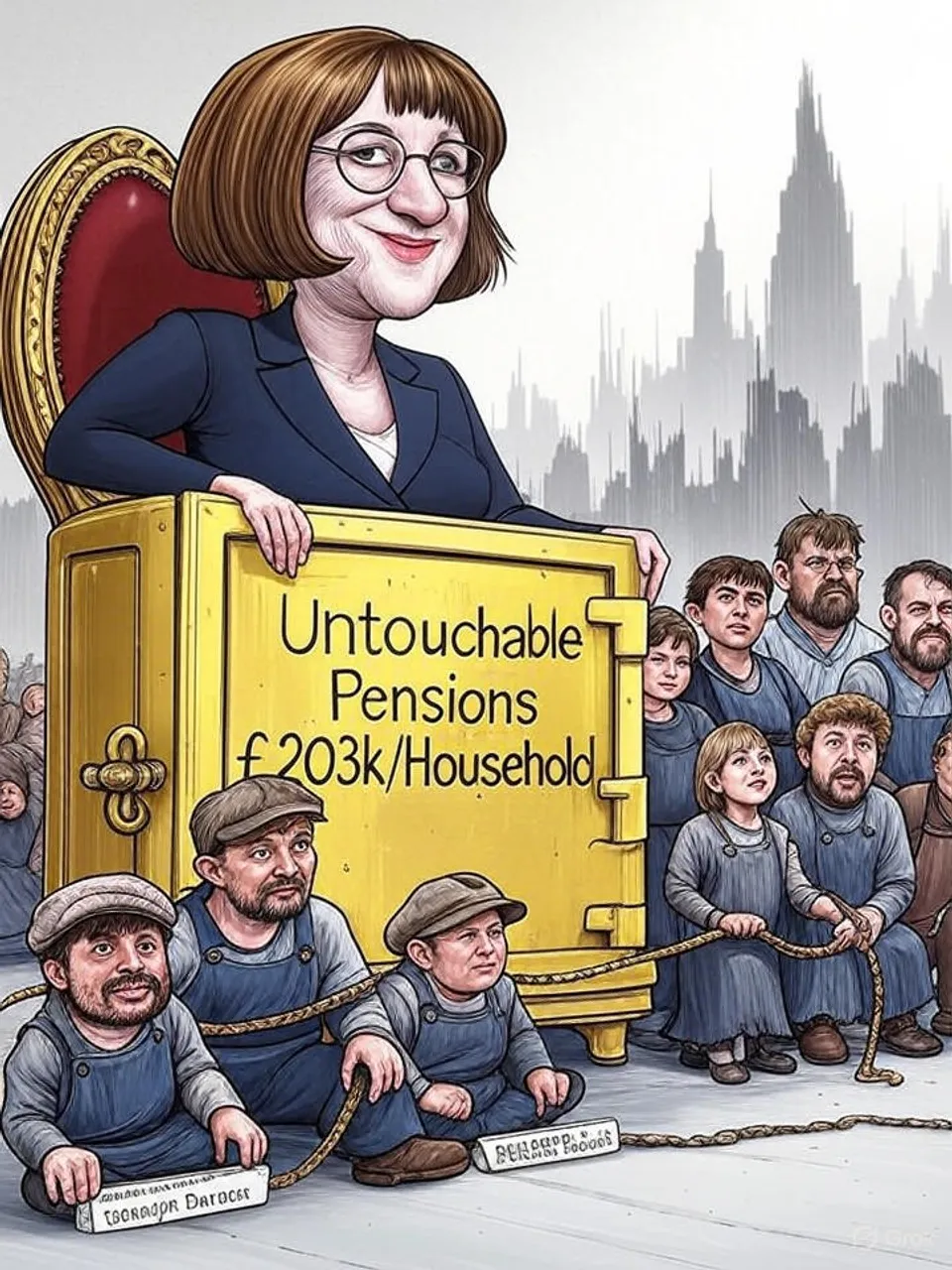
£5.8tn liabilities rise 17% as private pots face raids
Public sector pensions hit £5.8tn, or £203k per household, untouched by Budget cuts that hit private workers. This two-tier system distorts markets and burdens future taxpayers amid fiscal strain.
Public sector pension liabilities reached £5.8 trillion this year, equating to £203,000 for each of the UK’s 28.6 million households. This marks a 17% rise from £173,000 last year. Chancellor Rachel Reeves imposed a £4.7 billion hit on private workers’ pensions through salary sacrifice limits, yet spared these schemes entirely.
Neil Record, former Bank of England economist, projects the £4.9 trillion from 2023-24 swelled to £5.8 trillion by year-end. Inflation-linked, guaranteed payments for life underpin the growth. Final salary schemes ended in 2015, but average salary models still balloon costs.
Taxpayers now cover higher employer contributions. NHS rates jumped from 20.6% to 23.7% of salaries, adding £3.5 billion annually. Teachers’ scheme rose from 23.6% to 28.6%, costing nearly £2 billion more.
Private sector employers contribute as little as 3% to defined contribution pots. Workers there face fiscal drag and National Insurance hikes extracting £56 billion over time. Public schemes remain defined benefit, unfunded, and shielded.
Treasury disputes the figure, citing £1.3 trillion in Whole of Government Accounts. That uses discounted present value, ignoring long-term inflation risks. Full liabilities expose the true household burden.
Two-Tier Retirement System Entrenches
Public sector workers accrue pensions on career-average salaries with full inflation protection. Private equivalents vanished as unaffordable decades ago. This disparity distorts labor markets, favoring state roles over productive private work.
Younger taxpayers fund retirements they cannot access. A 35-year-old earning £50,000 loses £22,000 from their pot due to Reeves’ changes. Public workers escape such cuts unless making voluntary top-ups.
Reforms since 2010 slowed but did not halt expansion. Liabilities doubled under Coalition and Conservative governments. Labour’s Budget added to taxpayer bills without tackling core generosity.
Intergenerational Foundation labels it a betrayal of youth. Civil servants and politicians, scheme members themselves, resist independent scrutiny. Outside oversight would likely enforce private-sector restraint.
This fiscal imbalance burdens working households. Productivity lags as talent shifts to cushioned public jobs. Economic stagnation follows, with taxes rising to service promises.
Britain’s institutions prioritize insider privileges over solvency. Public pensions exemplify how commitments outpace revenues across administrations. Households inherit the bill, widening divides in a declining economy.
The £5.8 trillion reveals governance captured by vested interests. Accountability evades those who expanded these schemes. Ordinary citizens pay for a system that mortgages their futures to past decisions, entrenching fiscal decay.
Commentary based on Britain’s public sector pension bill hits £200k per household by Rob White on The Telegraph.