693,000 Departures Reshape Britain Silently
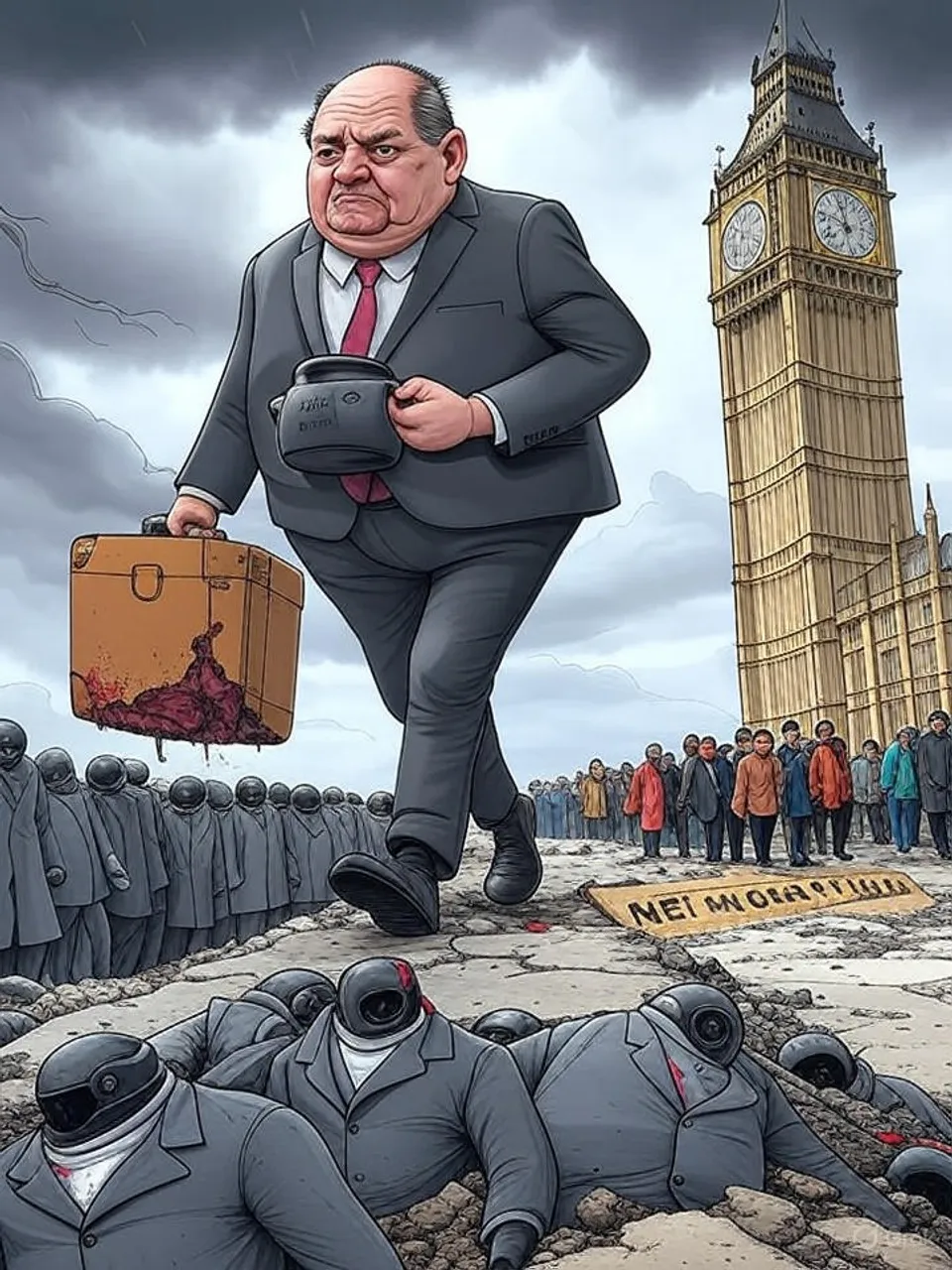
British net migration averages minus 78,000 annually since 1964
ONS data reveals record emigrations led by British nationals, with net migration falls masking demographic swaps. Historical outflows average 78,000 yearly, signaling unchecked national hollowing.
Office for National Statistics figures record 693,000 emigrations from the UK in the year ending June 2025. Immigration stood at 898,000, yielding net migration of 204,000—the lowest since 2021. Officials highlight the net drop as progress, but overlook the exodus of British nationals driving departures.
Revised estimates expose the scale. For year-end December 2024, British emigration jumped from 77,000 to 257,000 after methodological updates. This upward correction spans years since 2021, aligning with reports of young workers fleeing high taxes and stagnant prospects.
Historical data cements the pattern. British nationals show negative net migration every year from 1964 except 1985, averaging minus 78,000 annually. Governments of all parties presided over this steady drain, from Wilson to Starmer.
EU nationals followed suit post-Brexit. Their net migration turned negative after peaking in the 2010s. Non-EU inflows filled the gap, sustaining overall population growth despite native outflows.
Net migration misleads as a metric. A hypothetical swap—250,000 Britons leave, 250,000 non-Brits arrive—yields zero net but alters demographics profoundly. Cultural and social fabrics shift without fanfare, as long-term migrants (12-plus months) embed permanently.
Data gaps compound the opacity. ONS relies on estimates prone to backdated revisions, lacking a full entry-exit system. Country-of-birth breakdowns remain absent, fueling speculation about whether “British” leavers include naturalized Eastern Europeans returning home.
Media glimpses the truth sporadically. Outlets note an “exodus of young workers” and question if Britain loses its “brightest and best.” Yet policy discourse clings to net totals, ignoring composition.
Fiscal and Service Pressures Accelerate Flight
High taxes, extracted via recent Budget hikes, target working-age Britons. Private pensions face £56 billion drag; employers bear doubled National Insurance. Young professionals, burdened yet underserved, opt for lower-tax destinations.
NHS waits lengthen, GPs handle 2,241 patients each, housing stock rots. Emigration reflects rational response to decline, not transient whim. Skilled natives depart as replacements arrive via work and study visas.
Governments promise control but deliver churn. Labour’s 2025 reductions follow Tory peaks, yet British outflows persist across decades. No administration reversed the native net loss.
Institutional Blind Spots Persist
ONS definitions capture long-term movers but miss short-term fluxes. Methodological tweaks, like November 2025 updates, rewrite narratives post-facto. Without robust tracking, voters assess policies on flawed inputs.
This hollows cohesion. Communities face serial replacement: locals leave amid crime spikes, failing schools, polluted rivers. New arrivals integrate unevenly, straining resources calibrated for yesterday’s population.
Policymakers fixate on aggregates. Net figures flatter inaction, concealing the swap beneath. Britons’ annual deficit compounds, eroding the human capital that once powered prosperity.
Britain documents its own dilution through numbers. Native emigration averages 78,000 yearly, unchecked by any regime. The UK swaps its people for others, accelerating institutional decay without admitting the loss.
Commentary based on Demographic Facts by Demographic Facts on demographicfacts.co.uk.