£90 Billion: Parliament's Latest Brexit Tally
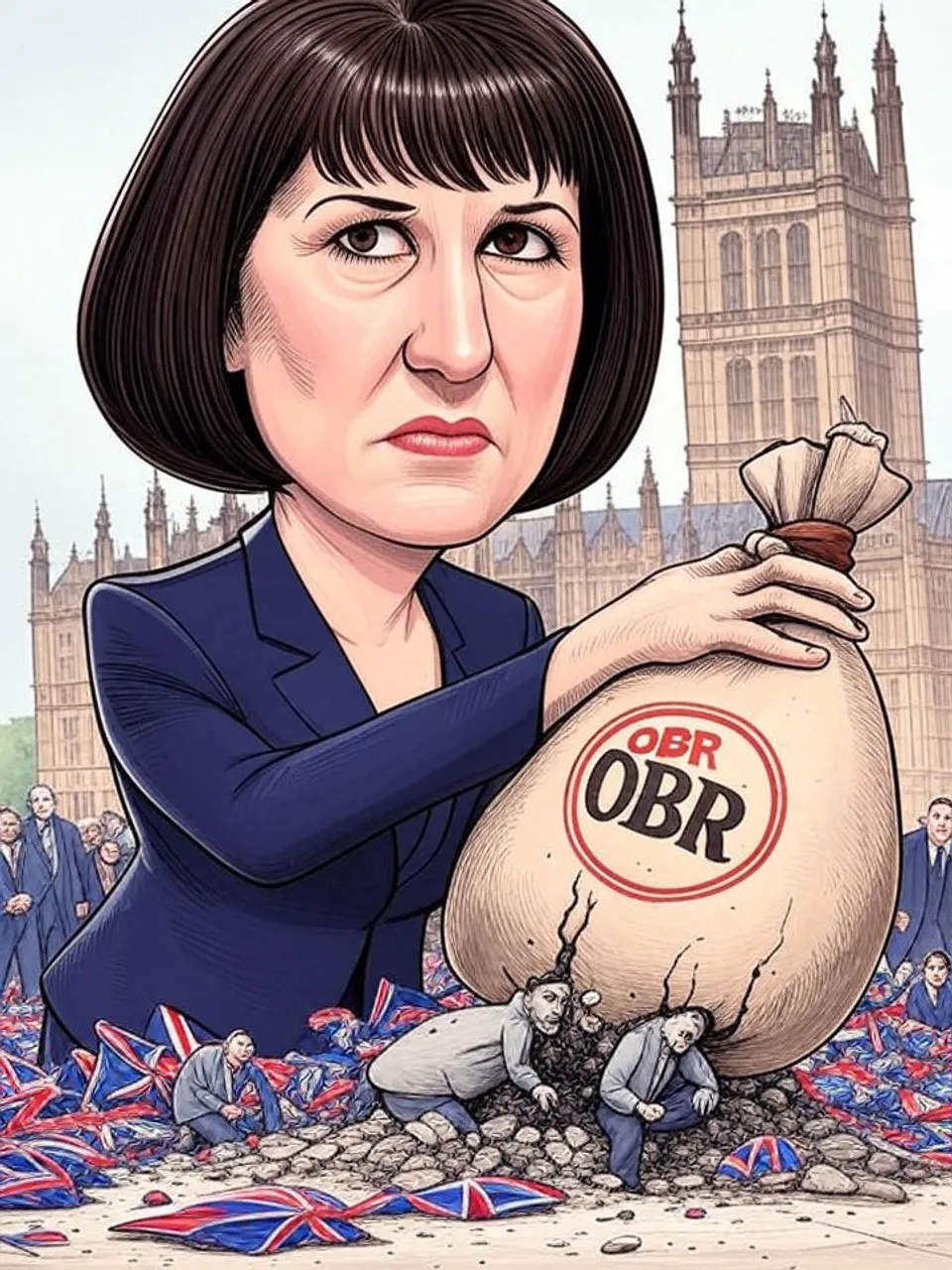
Commons Library analysis pins annual tax shortfall on 2016 vote amid pre-existing stagnation
A Lib Dem-commissioned report tallies £90bn yearly Brexit tax losses, yet UK woes trace to deeper productivity stalls and policy lapses across governments. Debate diverts from entrenched fiscal realities.
Commentary Based On
The Independent
Brexit costing UK up to £90bn in lost tax revenue , new analysis shows
A House of Commons Library analysis, commissioned by the Liberal Democrats, calculates Brexit’s annual toll on tax revenues at up to £90 billion.
This figure emerges days before Rachel Reeves’s Budget, where tax hikes loom amid a £22 billion fiscal black hole.
The timing aligns official woes with 2016’s vote, framing departure as the root of fiscal strain.
The Library ties the shortfall to a 6-8% smaller GDP, drawing from a US National Bureau of Economic Research study.
That study revises earlier forecasts, noting a decade-long hit exceeded five-year projections of 4-6%.
Per head, GDP shrinks £2,700 to £3,700 yearly, per the analysis.
Yet UK productivity stagnated from 2008, eight years pre-referendum.
Real GDP per hour worked flatlined through the 2010s, predating Article 50.
Brexit amplified trends, but global shocks—pandemic lockdowns, energy surges from Ukraine—drove sharper contractions.
The OBR’s imminent update, flagged by Reeves, will quantify Brexit’s role amid these layers.
Official narratives isolate Brexit, sidelining comparator nations.
Ireland’s GDP per capita surged 40% post-2016, but tax haven status inflates figures.
Germany’s export model faltered on China slowdowns and auto transitions, independent of UK exit.
No Library breakdown isolates Brexit from migration’s fiscal drag or welfare expansions.
Recent data peg net inflows at 944,000 in 2024, with low-skill migrants posting net lifetime costs.
OBR models once projected immigration as a fiscal positive; revisions now expose drains.
Fiscal Blame Cycles
Politicians pivot to Brexit across benches.
Conservatives promised £350 million weekly for the NHS; inflows funded neither that nor border control.
Labour’s Reeves invokes OBR candor on Brexit while backloading tax pain to 2028.
Lib Dems, commissioners here, push customs union resets, echoing pre-2016 status quo.
This cross-party ritual dodges productivity’s core stall: planning barriers, infrastructure lags, skills gaps.
Brexit freed regulations—chemical approvals accelerated, fishing quotas renegotiated.
Implementation faltered; trade deals lagged, non-tariff barriers rose.
Persistent Diversions
£90 billion evokes scale, yet exceeds total aid budgets manifold.
It dwarfs £18 billion welfare surges or TfL’s £200 million evasion losses.
Such tallies recur: UnHerd critiqued OBR’s migrant optimism; similar optimism shaded Brexit forecasts.
Think tanks multiply counterfactuals, each vesting interests—Remain advocates reclaim narrative.
Public discourse fixates on 2016, obscuring 1997-onward patterns: debt doubled, NHS lists tripled.
Brexit debates entrench denial of systemic rot—institutions that forecast, regulate, enforce all underperform.
Reeves faces Budget choices shaped less by EU divorce than by unchecked spending and stalled growth engines.
The £90 billion claim spotlights not just Brexit’s ledger, but Britain’s genius for scapegoats.
Voters absorb stealth levies—£220 yearly from threshold freezes—while root failures compound.
This is decline documented: events recede, yet blame endures, accountability evaporates.
Commentary based on Brexit costing UK up to £90bn in lost tax revenue , new analysis shows at The Independent.