Afghan national rapes child four months after Channel crossing
Twenty-fold conviction rate disparity underscores asylum vetting voids
A 23-year-old Afghan raped a 12-year-old girl four months after small boat arrival, using taxpayer funds post-attack. Data shows Afghans 20x more likely convicted of sex offences than Brits, revealing unchecked risks in borderless policy.
Afghan national rapes child four months after Channel crossing
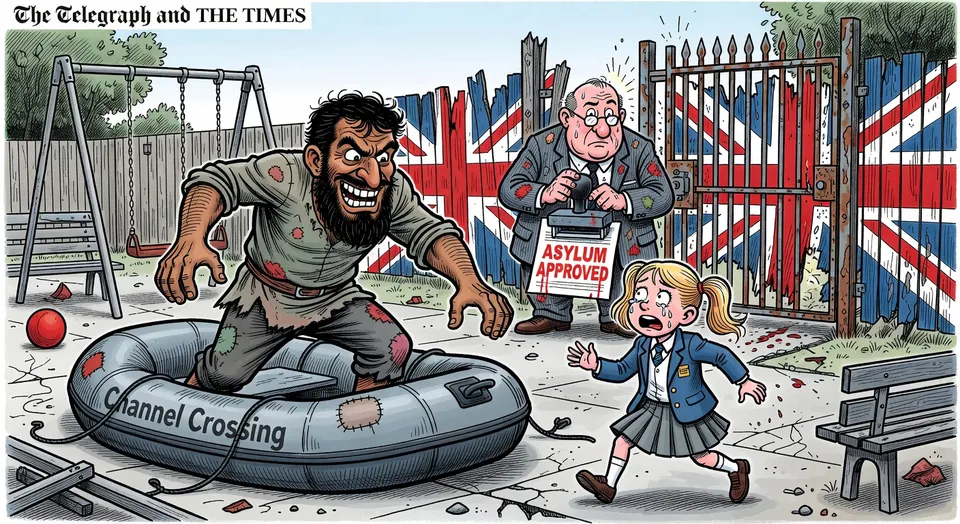
Ahmad Mulakhil arrived in Britain by small boat. Four months later, he abducted and raped a 12-year-old girl in a Nuneaton park. He filmed the attack while laughing and threatening her family.
The girl played on swings when Mulakhil approached her. He led her to a cul-de-sac for repeated assaults. Afterwards, he bought Red Bull with his Home Office debit card, funded by £49 weekly taxpayer allowance for asylum seekers.
Warwick Crown Court convicted him of rape, child abduction, sexual assault, and indecent photography. Prosecutors dismissed his claim that the girl appeared 23 or 24 as an obvious lie. Sentencing awaits, with likely prison time triggering deportation review.
This case echoes recent Afghan convictions. In December, 17-year-olds Jan Jahanzeb and Israr Niazal raped a 15-year-old in nearby Leamington Spa. Sadeq Nikzad, 29 from Afghanistan, raped a Falkirk teenager and blamed cultural differences.
Official data reveals disproportion. Afghans and Eritreans face sexual offence convictions at over 20 times the British rate, per Centre for Migration Control Freedom of Information requests. Home Office sources attributed this to younger migrant ages and outdated population figures from the 2021 census.
Vetting Absences
These explanations expose selection biases in the asylum system. Unaccompanied young men dominate entries, often paperless from high-risk origins. Afghanistan ranks last in women’s wellbeing metrics, with routine unpunished rapes and honour killings.
Britain admits tens of thousands yearly via illegal crossings. No robust tracing occurs for many. Deportation stalls post-conviction on human rights claims, even for Taliban return fears.
Recurring Entry Risks
Parks and streets now host these unchecked arrivals. The Nuneaton girl survived threats, but outcomes vary. Taxpayer funds sustain offenders until courts intervene.
Home Office deflections ignore real population surges since 2021. Afghan numbers exceed census estimates, diluting per capita risks in official eyes. This arithmetic sleight sustains policy inertia.
Governments across parties maintain this framework. Tories expanded flows post-2021 evacuation; Labour upholds international obligations. Deportation blocks persist under both.
Citizen Safety Gap
British women and children bear the costs. Conviction rates signal elevated threats from specific nationalities. Yet policy prioritises entry over exclusion.
Functional borders would screen arrivals rigorously. Age verification, criminal checks, and swift returns would apply. Instead, compassion rhetoric shields systemic voids.
This rape, like prior cases, stems from absent controls. One dinghy unleashed a predator on public spaces. Repeat patterns confirm institutional failure to prioritise nationals.
UK decline manifests in eroded public safety. Open entries import disproportionate risks, unmitigated by vetting or removal. Citizens question borders while elites deflect with demographics.
Commentary based on The question we keep asking after Afghan sex attacks by Tom Slater on The Spectator.