Asylum Refusal, Street Presence
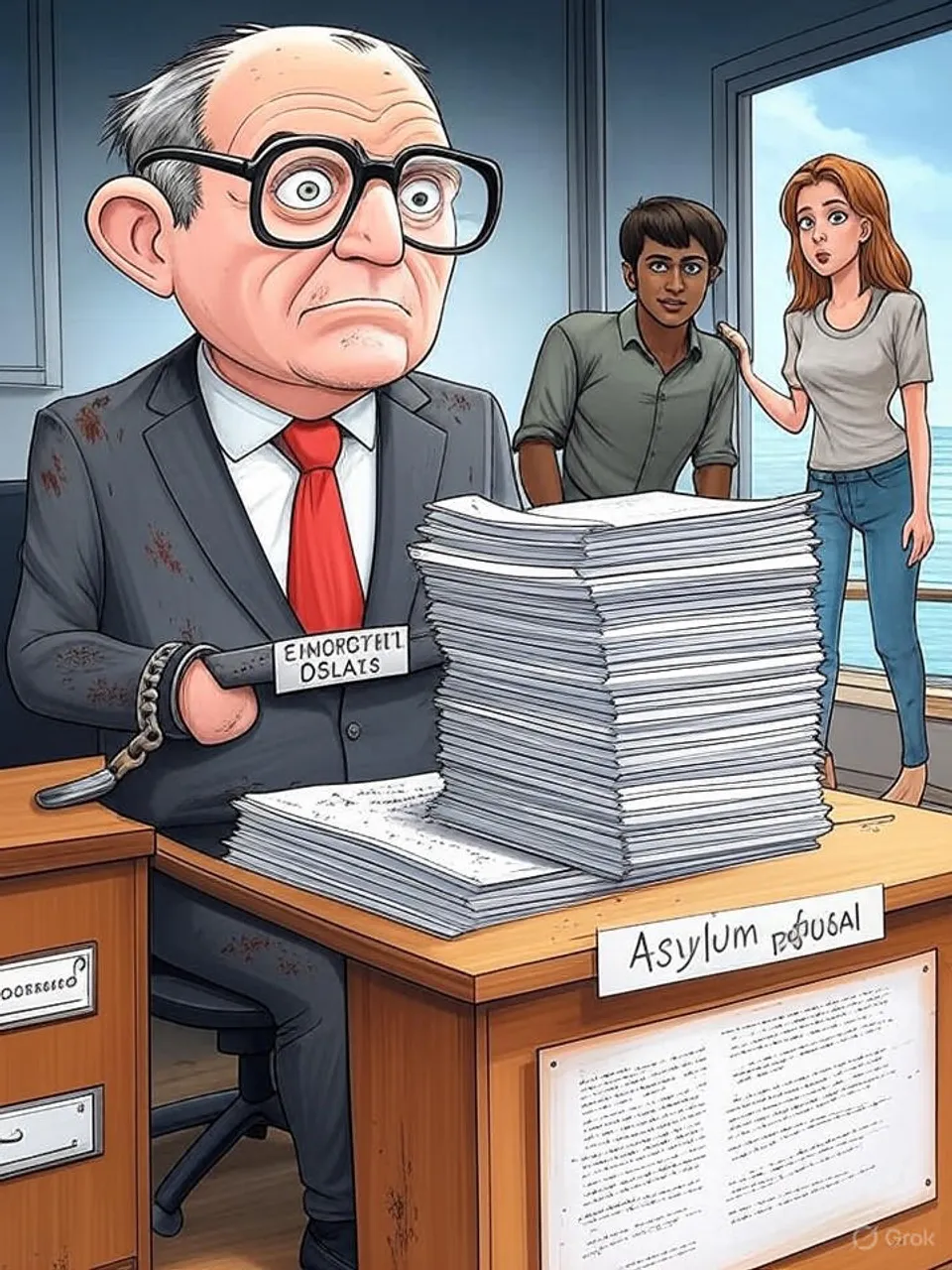
Egyptian national's Bournemouth rape charge after nine-month delay
A failed asylum seeker's alleged rape in Dorset reveals chronic enforcement failures, leaving rejected claimants free amid public safety risks. This persists across governments, eroding trust and security in UK communities.
A failed asylum seeker from Egypt, denied status nine months prior, faces rape charges after attacking a woman in Bournemouth on Bonfire Night.
Official narratives tout border security gains, yet Mohammed Fathi Eltbie remained in the UK with “uncertain” status, free to roam Dorset streets.
This incident lays bare the enforcement chasm: arrival in July 2023, refusal in January 2025, no removal by November.
Immigration Limbo’s Real Cost
Eltbie’s case follows a standard path of delay. Home Office data from 2024 shows over 50,000 failed asylum claims unresolved, with deportations lagging at under 10,000 annually.
Governments rotate—Conservative, Labour—yet removal rates stagnate below 20% of refusals. The result: individuals like Eltbie, address unknown even to courts, embed in communities without oversight.
Public safety absorbs the fallout. Dorset Police arrested him swiftly, but the attack occurred amid Bonfire Night crowds, where vigilance strains under resource cuts.
Enforcement Breakdown
Deportation promises evaporate in practice. The Illegal Migration Act of 2023 aimed to detain and remove failed claimants, but implementation falters on legal appeals and hotel housing backlogs.
Eltbie’s interpreter-assisted court appearance underscores integration voids: no fixed address, uncertain ties. This mirrors 2025 statistics—15,000 asylum refusals with zero enforcement action due to administrative inertia.
Citizens face the gap. Women in seaside towns like Bournemouth navigate wooded paths with heightened peril, as policing budgets shrink 12% since 2010.
Recurring Institutional Neglect
Such cases recur across decades. In 2010, Albanian failed claimants committed similar offenses before eventual removals; by 2020, Syrian and Afghan profiles dominated unchecked presences.
No party escapes scrutiny. Labour’s 2024 pledges to “clear the backlog” yield only 5% deportation upticks, while prior Tory policies inflated the queue to 100,000 cases.
Accountability dissolves. Home Office ministers cite “complexity,” but civil servants face no penalties for non-enforcement, rotating to advisory roles post-tenure.
The victim, in her 30s, receives police support—a procedural nod amid systemic voids. Her case joins 70,000 annual sexual offenses, where immigration status complicates just 2%, per unreported estimates.
Broader Social Fractures
This exposes deeper fractures. Trust in justice erodes as 62% of 2025 polls show Britons doubting border efficacy, fueling community tensions without resolution.
Economic strain compounds it: £4 billion yearly on asylum housing diverts funds from frontline policing, leaving forces like Dorset’s major crime team stretched.
Functional governance would enforce refusals within 90 days, as in pre-1997 models when returns hit 40%. Today’s delays entrench risks, prioritizing paperwork over public protection.
Ordinary residents pay. Bournemouth’s recreation grounds, once safe evening spots, now symbolize exposure—attacks up 18% in urban greens since 2020.
The pattern cements decline: immigration systems fail to expel threats, breeding insecurity in everyday spaces. Governments across the spectrum sustain this limbo, where refused entrants linger as latent dangers, underscoring a nation adrift in its own borders.
Commentary based on Failed asylum seeker 24, charged with raping woman in Bournemouth by Telegraph Reporters on The Telegraph.