August Borrowing Exceeds Forecasts by £3.5 Billion
UK public finances overshot independent projections again, tightening constraints ahead of the budget and exposing persistent gaps between spending pledges and recorded outturns.
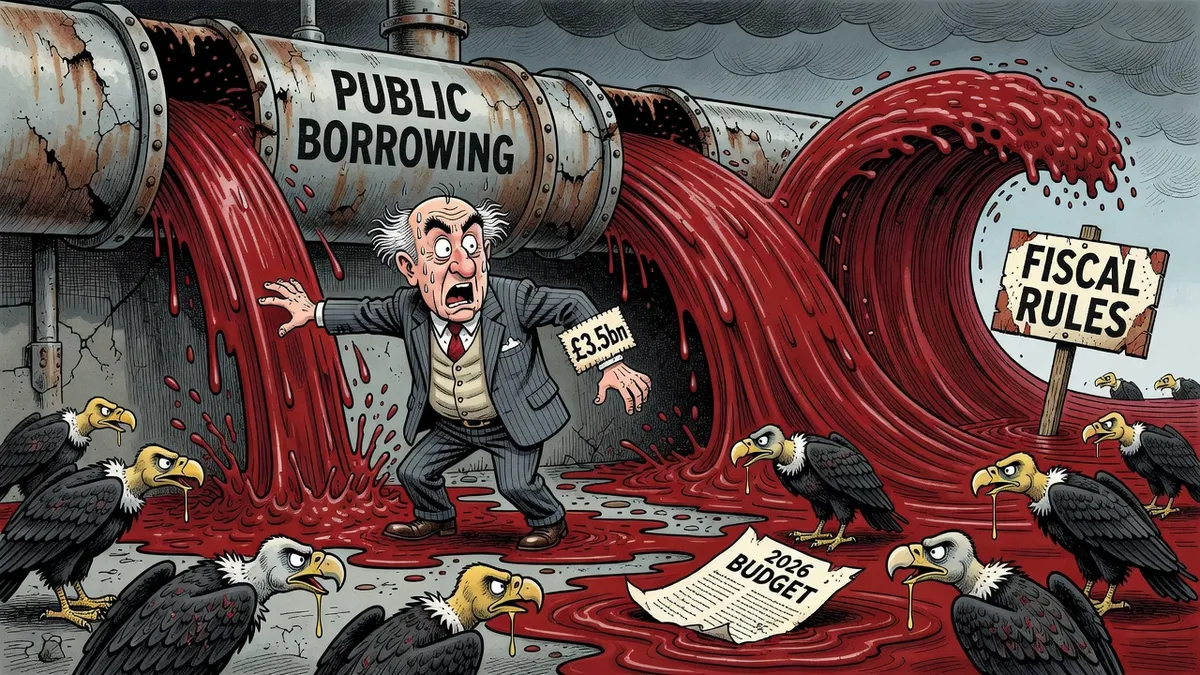
Deficit reaches £77.3 billion as benefit costs climb £10 billion year-on-year
UK government borrowing reached £18.3 billion in August, exceeding the Office for Budget Responsibility forecast by £3.5 billion. The cumulative deficit for the financial year now stands at £77.3 billion, £8.1 billion above projections. These figures arrive weeks before the autumn budget and after repeated ministerial assurances that spending would remain within self-imposed limits.
Spending and Revenue Trends
Central government outlays on social security benefits and pensions rose by nearly £10 billion compared with the same period last year, reaching £145 billion. Inflation measured by the consumer prices index climbed to 3.1 percent, adding to index-linked costs. Tax receipts increased only modestly while debt interest payments have already surpassed March forecasts by £2 billion.
Bond markets registered the pressure. Ten-year gilt yields rose three basis points to 5.232 percent on the day the data appeared. Thirty-year yields reached 5.729 percent. Analysts noted that higher borrowing combined with elevated financing costs narrows the room for any fiscal manoeuvre.
Forecast Accuracy and Revisions
The Office for National Statistics release followed a £1.8 billion deficit in July that also exceeded expectations. Early-year borrowing estimates are routinely revised, yet the pattern of overshoots has persisted across multiple reporting periods. The OBR itself has flagged that initial projections often understate final outturns.
Ministers continue to state that fiscal discipline will underpin growth. The chief secretary to the Treasury repeated that public services require known funding sources. Opposition spokespeople highlighted the combination of record tax levels and rising debt. Neither side has altered the underlying trajectory of expenditure growth outpacing revenue.
Market and Policy Constraints
Higher gilt yields increase the annual cost of servicing existing debt. The Institute for Fiscal Studies estimates that debt interest will exceed £100 billion each year for the next five years under current rate assumptions. Any further upward movement in yields tightens the fiscal rules that ministers have pledged to observe.
The gap between stated borrowing targets and recorded outcomes reveals the limits of short-term fiscal planning. Successive governments have encountered the same mismatch between revenue growth and mandatory spending pressures. Markets price these shortfalls directly into the cost of new borrowing, amplifying the original problem.
August’s figures confirm that the gap between pledged restraint and actual cash flows continues to widen. Ordinary households face the consequences through sustained pressure on public service budgets and higher future tax or debt-servicing burdens.
Commentary based on UK borrows £18bn in August, putting pressure on Healey before budget by Phillip Inman on the Guardian.
← Back to commentary