Balaclavas Over Boot Sale Bargains
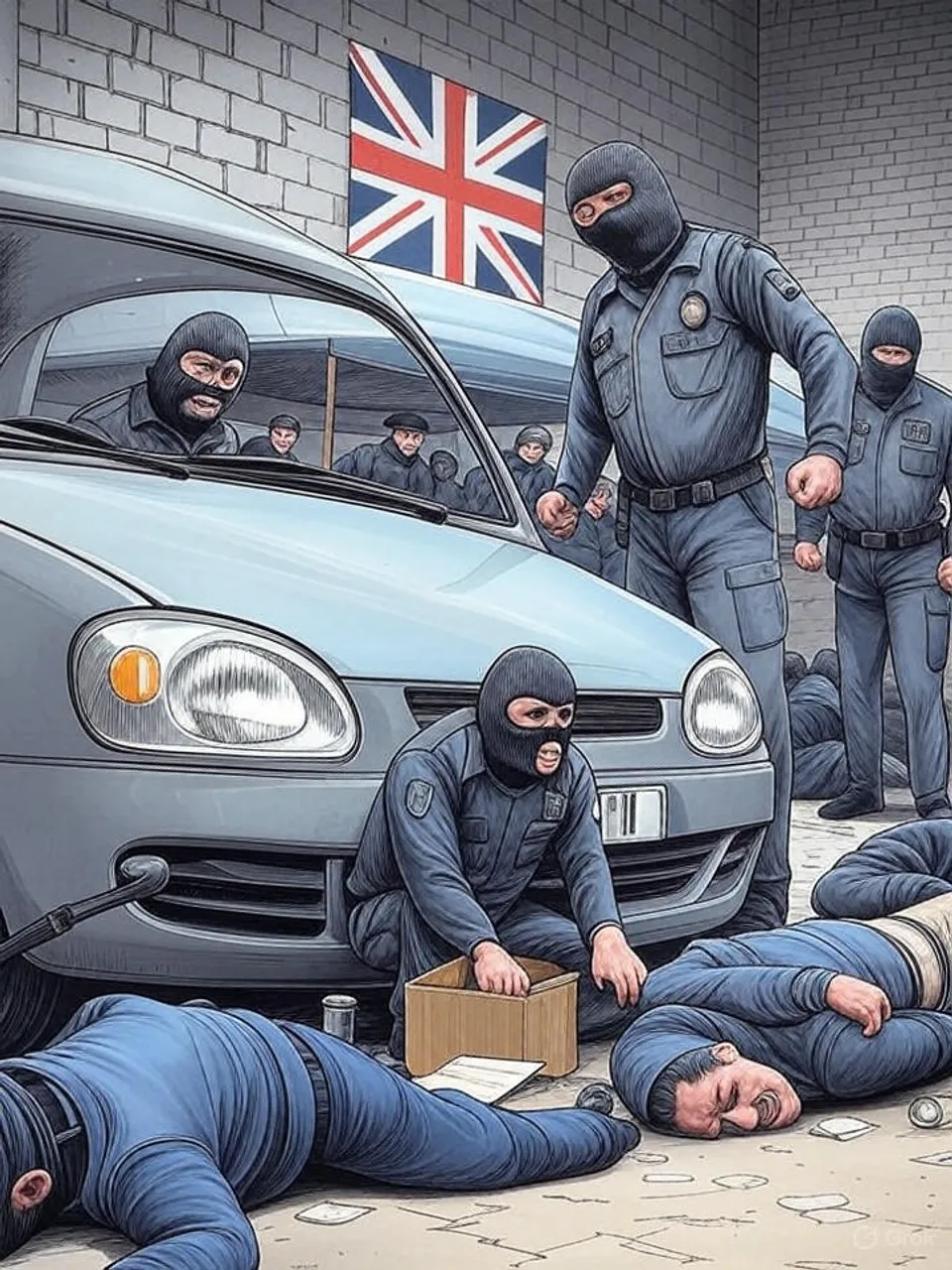
Twenty-two years of unchallenged tool theft in Hounslow
Open markets for stolen goods expose enforcement voids, as official crime falls mask rising thefts that cripple tradesmen and erode public safety across UK streets.
Commentary Based On
The Telegraph
I saw the dark heart of lawless Britain at a west London car boot sale
Stolen tools etch tradesmen’s names into Hounslow’s market stalls. Official surveys claim overall crime has fallen for decades, yet this west London boot sale displays thousands of pilfered power drills and saws at giveaway prices, sold by masked vendors who boast of evading police for over two decades. The gap exposes how national statistics mask localized breakdowns in law enforcement.
Robert Jenrick visited the Hounslow site after a tip-off. Sellers offered no provenance for the goods, many marked with owners’ identifiers. One vendor admitted to 22 years in the trade, dismissing police intervention as nonexistent.
This scene mirrors tool theft’s toll on small businesses. Tradesmen lose irreplaceable equipment, forcing cash-strapped operations to halt jobs or absorb replacement costs. Jenrick recalls his father’s van-based firm crippled by midnight break-ins, a strain that echoes across the sector today.
The Crime Survey for England and Wales underpins government optimism. It reports burglary and overall crime declining since the 1990s. Yet the survey samples broad areas, missing urban hotspots and excluding business-targeted offenses like shoplifting.
Home Office figures reveal enforcement’s collapse. Only 6 percent of victim-reported crimes led to charges last year. In half of England’s police force areas, zero burglaries resulted in prosecutions over three years.
London’s Metropolitan Police fares worse. In over 160 neighborhoods, not one neighborhood crime saw resolution in the same period. Such voids allow markets like Hounslow to operate unchecked.
Police priorities have shifted explicitly. Forces now ignore bike thefts at railway stations if the owner left the cycle unattended for more than two hours. This de facto amnesty signals resource rationing amid broader cuts.
Specific crimes surge despite headline falls. Snatch thefts jumped 153 percent in 2024, prompting blue-line walkways on Oxford Street to deter phone-grabbers on bikes. Shoplifting forces retailers to remove staples like butter from shelves or hide behind protective screens.
Businesses bear the brunt. Supermarket security guards stand idle, barred from physical intervention. One shop assistant received a warning for tackling a thief fleeing with armfuls of clothes, inverting accountability.
International fallout compounds the damage. Australia, New Zealand, France, and Mexico issue travel advisories citing rising street crime in Britain. Tourists now view UK cities as risk zones, eroding economic appeal.
Government sentencing reforms accelerate the trend. Plans will divert up to 45,000 offenders from custody, with thousands more eligible for sentence reductions to one-third served. Early releases, including accidental ones, further dilute deterrence.
Laws against theft remain intact across administrations. The failure lies in enforcement, a pattern persisting through Labour and Conservative tenures. Police budgets, slashed since 2010 and never fully restored, prioritize reactive measures over prevention.
This systemic inertia benefits no one but criminals. Tradesmen face repeated victimization without recourse, while public trust in policing erodes—polls show confidence at historic lows. Small enterprises, vital to local economies, fold under the weight.
Hounslow’s boot sale crystallizes Britain’s law enforcement pathology. Decades of underfunding and deprioritization have normalized open criminality, hollowing out communities and livelihoods. Without restored capacity, the decline in order will deepen, leaving citizens to navigate a landscape where theft operates in plain view.
Commentary based on I saw the dark heart of lawless Britain at a west London car boot sale by Robert Jenrick on The Telegraph.