Barrister Sells £4,500 Asylum Makeover
A non-practising barrister markets fabricated persecution evidence to secure asylum grants, revealing Home Office verification failures amid cross-party border neglect. Successful shams strain housing and taxpayers.
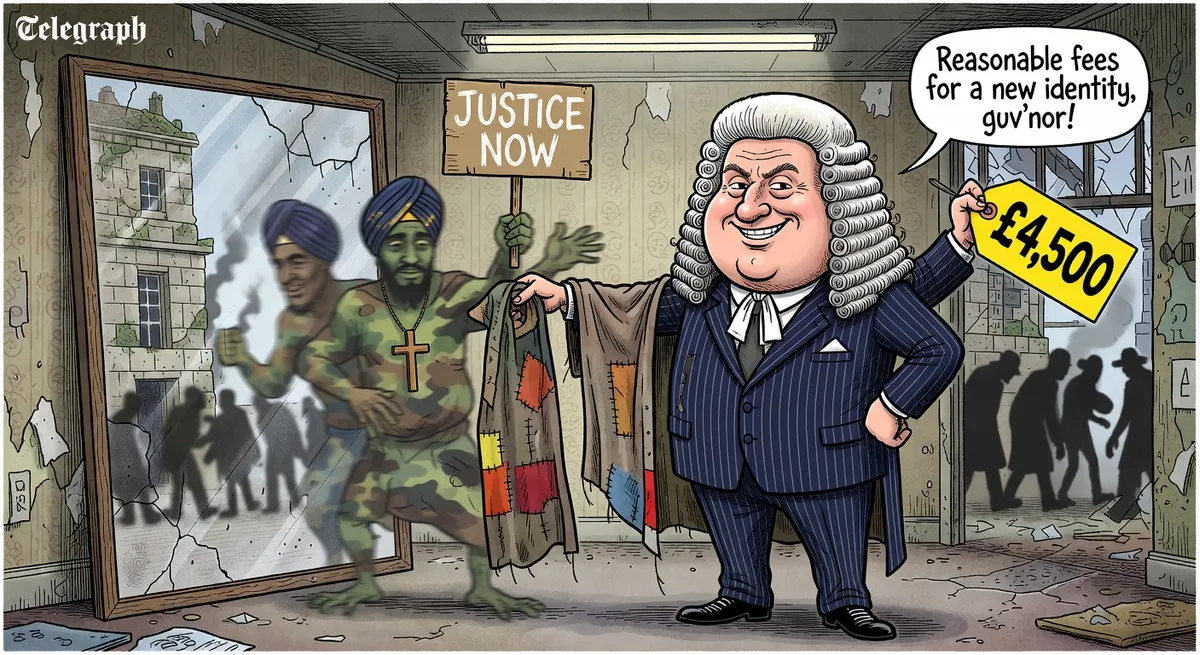
Undercover exposes coaching in fake gay, atheist, and activist claims
A non-practising barrister in east London coaches a supposed Bangladeshi student on faking persecution for asylum. Zahid Hasan Akhand outlines three personas—gay, atheist, or political activist—for £1,500 in legal prep plus £2,000-£3,000 in bought evidence. Home Office interviewers accept these scripts as genuine.
Akhand details the atheist route first. The applicant posts anti-Islam content online, drawing threats from clerics. UK and Bangladeshi atheist groups publish paid articles; AI generates the text.
He pushes the gay claim as simplest. “They will not dig too much,” Akhand says. Contacts supply club memberships, event attendance, and a fake partner letter—most attendees “are not gay.”
Political activism demands harder proof: a fabricated court case back home. Bangladesh’s paper records block verification. Akhand claims all such cases succeed with proper staging.
Past applications confirm the racket. Between 2018 and 2021, a Bangladeshi lawyer filed claims blending atheism and gay identity. Fake news sites, set up by a caseworker, ran plagiarised content plus applicant “threat” stories.
These sites list ghost editors with no online trace. Articles cite untraceable lawsuits or homophobic backlash to sham marriages. Home Office approved many.
Akhand holds no practising licence yet calls himself a barrister during the pitch. He denies giving regulated advice; his listed firm disowns the meeting site. No regulatory body acts yet.
Verification Black Hole
Home Office relies on applicant stories and submitted evidence. No routine checks trace Bangladesh court papers or social media origins. Live videos and club letters seal grants.
This exposes two decades of cross-party border laxity. Labour and Conservative governments expanded asylum grounds without robust tests. Grant rates for Bangladeshis hit 70% in some years.
Fabrication thrives on weak incentives. Successful fakes encourage networks; failed ones deport quietly. Advisers face no mass bans despite known abuse.
Barrister regulators pursue minor infractions but ignore asylum coaching. SRA and BSB log complaints yet prosecute few. Akhand’s denial echoes unpunished peers.
Citizens pay the cost. Housing strains add 100,000 asylum seekers yearly. Taxpayers fund £8 million daily on hotels amid 90,000 backlog cases.
Networks persist across Mile End firms. Undercover exposes one node; dozens operate. Home Office referrals to police yield 48 arrests from 1.3 million faces scanned elsewhere.
Afghan visa-to-asylum switches hit 95%; Bangladeshi fakes mirror this. Ministers halt some visas yet ignore advice rackets. Enforcement targets boats, not fabricators.
This sham endures because verification demands resources governments withhold. Home Office staff dwindle; decisions rush. Functional systems cross-check origins digitally—UK opts for trust.
The pattern spans administrations. Blair opened paths; May promised curbs; Starmer inherits fraud. No party builds detection walls.
Barristers profit from gaps they exploit. Ordinary migrants pay £4,500; grants follow. Institutional rot lets fakes embed, eroding border sovereignty and public faith.
Britain’s asylum system licenses its own subversion. Home Office grants fabricated lives while real controls collapse. Decline accelerates as power evades accountability.
Commentary based on Bogus websites, staged protests and pretend atheists: Inside the fake asylum industry at BBC News.
← Back to commentary