Bereaved Families Fund Johnson's Untouched Perks
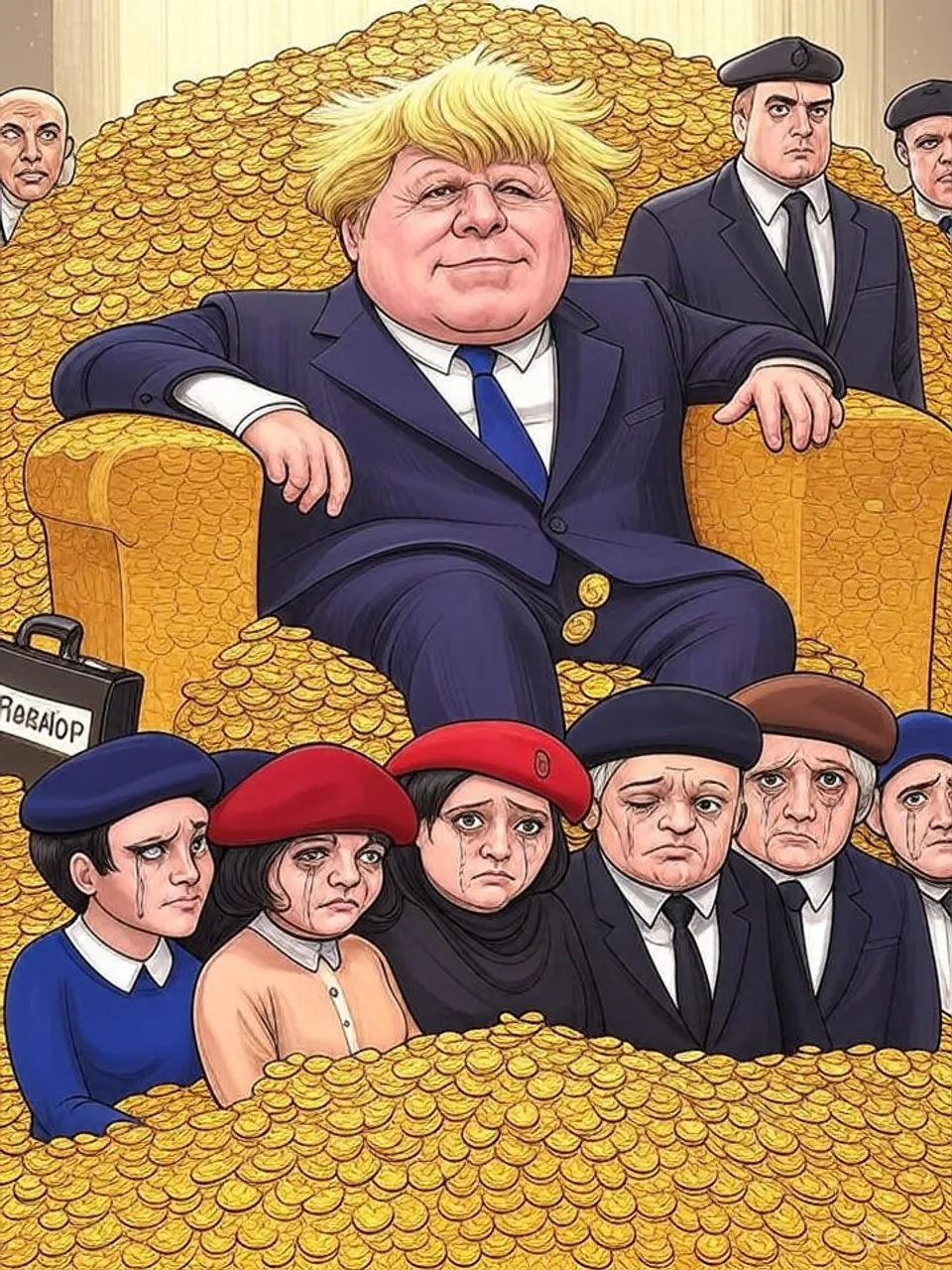
Inquiry pins 23,000 preventable deaths on delays, yet ex-PM claims full £115,000 allowance
Covid inquiry exposes Johnson's chaotic leadership as fatal, but ex-prime ministerial benefits remain intact despite bereaved demands for revocation. This reveals systemic shields for elites, eroding accountability and public trust in UK governance.
Commentary Based On
The Guardian
Covid bereaved call for Boris Johnson to lose ex-PM benefits over inquiry report
The Covid-19 inquiry’s second report exposes Boris Johnson’s pandemic leadership as a cascade of delays and indecision. A single week’s earlier lockdown in March 2020 could have prevented 23,000 deaths, according to the findings led by Heather Hallett. Yet Johnson retains full access to ex-prime ministerial perks, including a £115,000 annual public duty costs allowance he claimed entirely in 2024-25.
These privileges extend beyond cash. Johnson holds a ministerial pension, privy council membership, and ongoing public funding streams unavailable to ordinary citizens. The bereaved families, through Covid-19 Bereaved Families for Justice UK with 7,000 members, label this a “grave betrayal” and demand total withdrawal. They argue that taxpayers, many among the grieving, effectively subsidize the lifestyle of the official whose choices amplified their losses.
Johnson’s record during the crisis reveals repeated pivots on restrictions. He ignored warnings, hesitated on timely decisions, and cultivated a “toxic and chaotic culture” in Downing Street that stalled responses. The report singles him out over devolved leaders, documenting how his environment bred conflict rather than coordination.
Michael Gove’s response underscores the gap between acknowledgment and action. The former cabinet minister issued an apology for government errors on BBC Radio 4, expressing regret to those who suffered. Yet he dismissed claims of chaos as overstated, equating crisis governance to something beyond a “Jane Austen novel,” while questioning the 23,000 lives figure as a “leap.”
This partial defense highlights a familiar institutional reflex. Apologies emerge post-inquiry, but tangible penalties evade leaders. Johnson’s benefits persist untouched, mirroring how past administrations shielded their own from fallout—Tony Blair’s Iraq decisions drew protests but no financial reckoning, just as Johnson’s pandemic tenure now prompts calls without immediate enforcement.
Legal pursuit by the families signals desperation amid structural voids. No automatic mechanism strips ex-prime ministers of entitlements based on inquiry outcomes. The group vows to explore “all available legal options” for personal accountability, yet UK law offers scant precedent for such revocations outside criminal convictions.
The inquiry itself, while exhaustive, stops at recommendation. It catalogs failures—complacency, poor preparation, siloed advice—but leaves implementation to politicians who shared the blame. Devolved leaders faced criticism too, yet the report’s sharpest rebukes target Johnson, revealing centralized power’s unchecked risks.
Broader patterns emerge in this standoff. UK governance rewards survival over results; Johnson resigned amid scandals but resurfaced with memoirs and media gigs, his pension intact. This setup deters reform, as leaders calculate minimal personal cost for maximal office perks.
Taxpayers foot the bill in dual ways. The £115,000 allowance, meant for public duties, flows to Johnson without strings tied to performance. Bereaved families, stripped of loved ones partly through his delays, now confront the irony of funding his post-office life.
Accountability’s absence compounds public distrust. Polls since 2020 show plummeting confidence in political institutions, with pandemic handling cited as a key erosion factor. When inquiries expose elite failures but yield no consequences, citizens withdraw from engagement, deepening democratic fatigue.
The families’ statement rejects apologies for “consequences.” They seek justice through exclusion from public roles and funds, framing Johnson’s retention as an ongoing insult. Yet without parliamentary or judicial will, this remains aspirational.
This episode crystallizes Britain’s governance malaise. Leaders amass privileges insulated from scrutiny, while inquiries pile up as symbolic gestures. The result: a system where 23,000 preventable deaths translate to zero forfeitures, perpetuating decline through unlearned lessons and unpunished errors.
Commentary based on Covid bereaved call for Boris Johnson to lose ex-PM benefits over inquiry report by Jessica Murray on The Guardian.