Bilal Kazi's Multi-Platform Deception Exposed After Heathrow Phone Seizure
University of Chester student Bilal Kazi posed as a 14-year-old using a stolen photo to groom at least 70 girls on Snapchat, Wink and Roblox over four years before receiving a 30-year sentence.
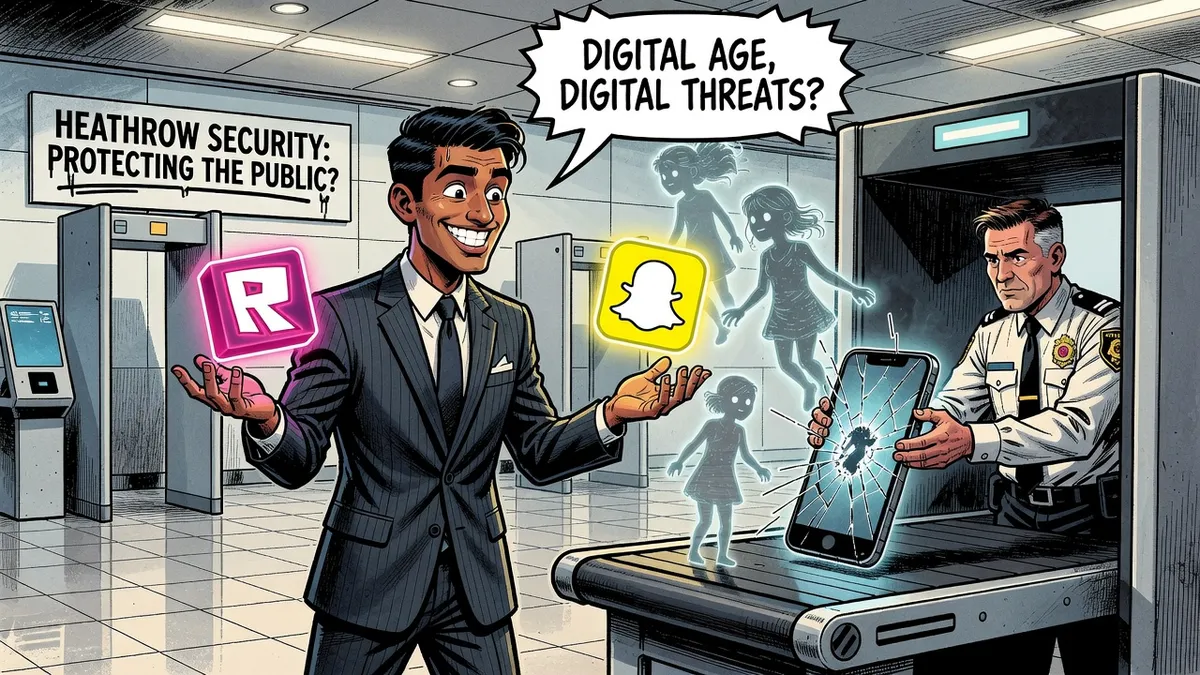
A foreign student at the University of Chester operated a grooming operation across Snapchat, Wink and Roblox for four years, deceiving at least 70 girls into sending explicit images before police intervention.
Bilal Kazi, aged 22 to 26 during the offences, posed as a 14-year-old boy named Reece using a stolen photograph. He set explicit relationship rules early, demanded sexual content, and escalated to blackmail when victims hesitated. One victim’s report triggered the investigation; the rest surfaced only after his phone was seized at Heathrow Airport in July 2023.
Platform and detection failures
Kazi identified 180 potential victims from his device. Only 70 were traced through usernames. Cheshire Police stated the operation ran from August 2021 to August 2025 with no platform-level interruption. He continued contacting multiple girls daily, including after bail conditions were imposed, until remanded in custody.
The Crown Prosecution Service described the pattern as routine: initial grooming followed by demands and threats to distribute material to friends and family. In several cases Kazi accessed victims’ accounts directly to distribute images.
Institutional response limits
Arrest occurred only after re-entry to the UK. Earlier circulation as wanted produced no immediate trace. A sexual risk order failed to prevent further contact. Kazi received a 30-year sentence with a minimum of 20 years before parole eligibility and lifetime registration as a sex offender. No details emerged on university monitoring of his activities or visa compliance during the period.
Systemic reach
The case required one victim to come forward before any wider inquiry began. Additional victims remain unlocated. The same platforms continue to host accounts used for initial contact, and the methods described match documented patterns in other recent grooming prosecutions.
This episode shows child protection systems that register offences after extensive harm has occurred rather than preventing access or blocking escalation. The four-year duration, continued offending under restrictions, and incomplete victim identification record the gap between stated safeguards and operational reality.
Commentary based on How online predator duped 70 girls into believing he loved them at BBC News.
← Back to commentary