Blackpool's Seven Most Deprived Neighborhoods Anchor England's Worst NHS Trust
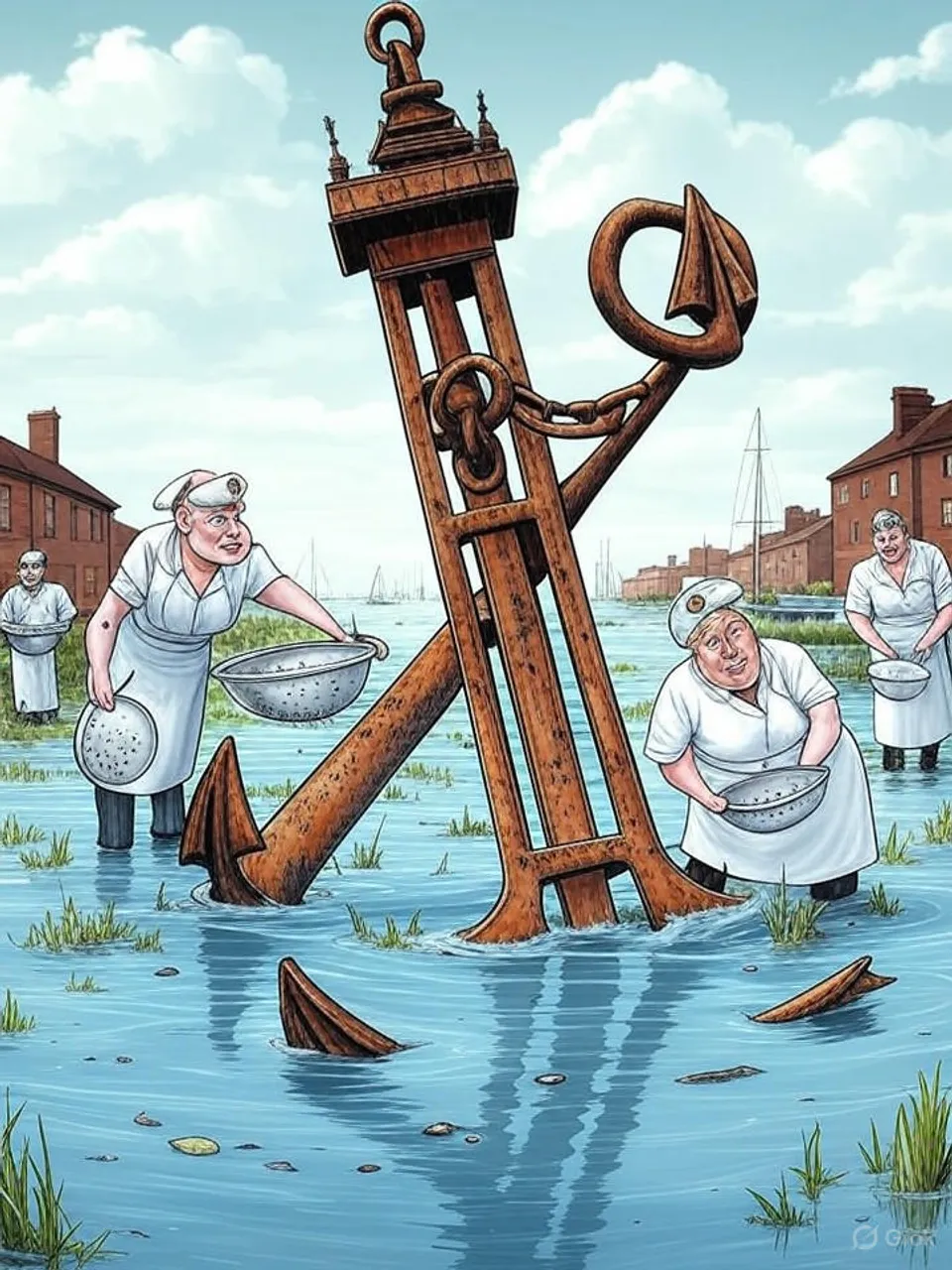
2,450 patients per GP overloads deprived districts as top trusts hoard talent
England's worst NHS trusts cluster in its most deprived areas, overwhelmed by chronic illness and starved of staff. Outdated funding and random recruitment entrench the divide, dooming prevention plans amid budget slashes.
Commentary Based On
the Guardian
Blackpool report: why do England’s deprived areas have the most troubled hospitals?
A leaked Royal College of Physicians report exposes Blackpool Victoria hospital’s toxic culture of bullying, racial discrimination, and harassment. Staff exodus followed, directly harming patient care for conditions like Parkinson’s. This local failure mirrors a national pattern: England’s bottom 10 NHS trusts cluster in its most deprived districts.
Blackpool Teaching Hospitals NHS Foundation Trust ranks among the 10 worst performers. University Hospitals Birmingham and Hull University Teaching Hospitals trail just behind. All serve areas with the highest deprivation indices, where seven Blackpool neighborhoods place in England’s top 10 most deprived.
Poverty drives patient volumes. Residents suffer higher rates of depression, COPD, and respiratory illnesses from damp housing. These chronic cases overwhelm hospitals already short on staff.
Primary care collapses first. The Carr-Hill formula allocates GP funding using outdated workload data. Deprived areas and coastal towns end up with the fewest GPs: 2,450 patients per doctor versus 2,150 in affluent zones.
Desperate patients flood A&E. A Royal College of General Practitioners study confirms the gap. Practices in poor areas cannot meet demand, pushing acute admissions higher.
Recruitment fails systematically. Affluent medics avoid deprived postings, citing facilities, location, and reputation. The UK Foundation Programme’s new random allocation system compounds this: a lottery number dictates junior doctors’ first two years, routing talent to city hospitals over struggling trusts.
Private income exposes the divide. BMJ research links deprivation to lower revenue from private patients and donations. Hospitals in poor areas generate less cash, widening resource gaps.
Wes Streeting promises NHS transformation: shift care to communities, emphasize prevention. Regional bodies face orders to halve budgets and cut 13,500 jobs. Managers call the measures brutal, questioning funding for deprived zones.
Britain records western Europe’s lowest life expectancy and high preventable deaths. These outcomes persist across governments. Deprivation correlates with outcomes, yet policies recycle the same formulas and incentives.
Recruitment Realities
NHS managers admit poverty’s massive impact. They struggle to attract GPs, relying on local recruits. Understaffing hits access hardest where needs peak.
Researchers at Lancaster University pinpoint barriers: poor facilities, isolation, bad reputations. No fix addresses why top talent evades these sites.
Funding Formulas Freeze Inequality
The Carr-Hill formula, unchanged for years, uses stale data. Coastal and deprived funding lags reality. GPs buckle under loads 14% above average.
National Health Hollowing
Britain’s league table bottom matches deprivation maps. Blackpool, Hull, Birmingham define the trend. Affluent trusts thrive on easier cases and extras.
This setup entrenches a two-tier NHS. Deprived districts absorb generational ill health without matching resources or staff. Staff flight accelerates decline, dumping costs on already strained systems.
Prevention rhetoric clashes with cuts. Community care requires investment, not halved budgets. Deprived areas, hungriest for reform, risk deeper rationing.
The pattern endures: outdated mechanisms, misaligned incentives, geographic penalties. Governments swap, but hospital leagues stay anchored in poverty’s grip. Ordinary residents in Blackpool face care rationed by location, not need— a decline baked into the system’s core.
Commentary based on Blackpool report: why do England’s deprived areas have the most troubled hospitals? by Hannah Al-Othman on the Guardian.