Bonfire Night Assault in Bournemouth Reveals Everyday Perils for Women
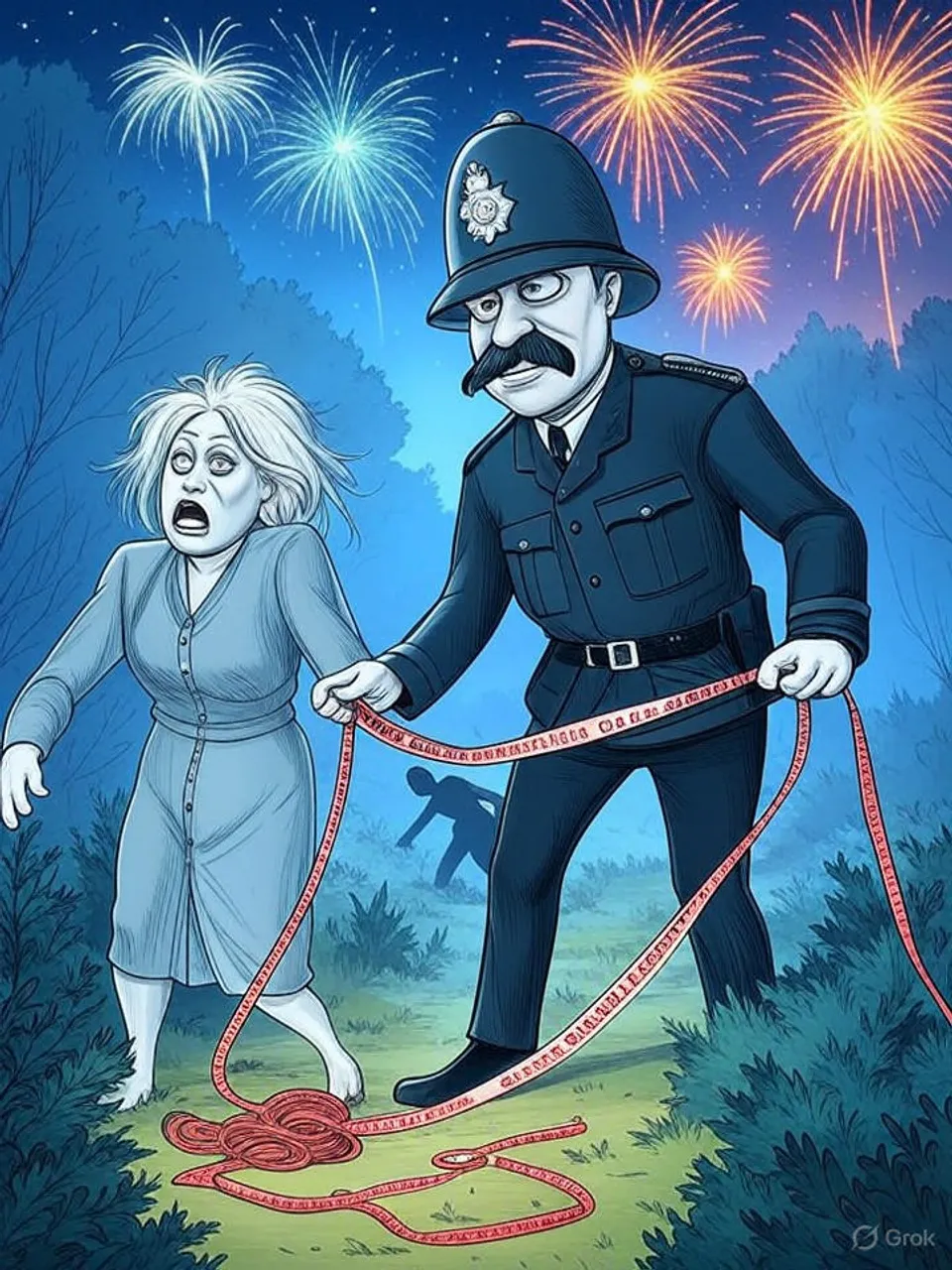
Local man arrested after dragging woman into woods during celebrations
A rape in Bournemouth on November 5, 2025, highlights gaps in public safety during crowded events, exposing underfunded policing and persistent risks to women in everyday UK spaces. Systemic failures across governments allow such incidents to recur without effective prevention.
Commentary Based On
The Mirror
Woman dragged into Bournemouth wooded area on Bonfire night and raped
On November 5, 2025, amid the fireworks and crowds of Bonfire Night, a woman in her 30s was dragged into a wooded area near Maxwell Road in Bournemouth and raped. Dorset Police arrested a 24-year-old local man shortly after, but the incident occurred after the woman, who had met a friend in nearby Charminster, engaged in a brief interaction with the suspect before walking with him. This attack exposes the fragility of public safety in routine social settings, where celebrations mask underlying vulnerabilities.
The sequence unfolded rapidly. The woman knew someone in the area but did not know her attacker. Police reports indicate they walked together to the secluded spot, where the assault happened around 9:18 p.m., a time when Bonfire Night festivities should have heightened visibility and deterrence.
Dorset Police launched an investigation immediately and took the suspect into custody on suspicion of rape. Officers now appeal for CCTV footage and witness information, quoting occurrence number 55250163716. Specialist support goes to the victim, with local patrols increased to address community concerns.
Yet arrests do not prevent assaults. Bonfire Night draws thousands to Bournemouth’s streets for events, yet wooded fringes near urban paths remain unmonitored. This gap allows opportunistic violence, as the suspect, a Bournemouth resident, exploited a momentary lapse in a familiar locale.
Bournemouth exemplifies coastal towns strained by tourism and population density. Charminster, a vibrant but mixed neighborhood, hosts pubs and gatherings that spill into surrounding areas. On high-traffic nights, police resources stretch thin, prioritizing crowds over peripheral risks.
Sexual violence persists as a structural issue in the UK. Official data from the Office for National Statistics shows over 70,000 rape offences recorded annually, with conviction rates below 2%. Dorset’s incident fits this pattern: a local perpetrator targets a woman during a social outing, underscoring failures in deterrence beyond reactive policing.
Prevention Shortfalls
Institutions claim progress on women’s safety. The government’s 2021 Tackling Violence Against Women and Girls strategy promised better street patrols and education. In practice, Dorset Police’s response relies on post-incident appeals, not preemptive measures like targeted lighting or community watch in high-risk spots.
Funding cuts compound these lapses. Dorset’s police budget fell 19% in real terms since 2010, per the Police Federation, leading to 20% fewer officers per capita than a decade ago. Bonfire Night’s chaos amplifies this: fireworks divert attention, while understaffed forces react rather than patrol effectively.
The suspect’s local ties highlight integration challenges within communities. Born and raised in Bournemouth, he represents not external threats but domestic ones rooted in social disconnection. UK surveys, like the 2023 Crime Survey for England and Wales, link such offences to isolation and untreated mental health issues, which public services increasingly fail to address.
Women alter behaviors in response. Nighttime walks, even with friends, carry implicit risks, as this case shows a “brief interaction” turning predatory. National polling by YouGov in 2024 found 62% of women feel unsafe alone after dark in urban areas, eroding civic participation and economic mobility.
Institutional Echoes
This assault mirrors delays in justice seen elsewhere. While Dorset acted swiftly on arrest, broader systemic bottlenecks persist: the Crown Prosecution Service backlog exceeds 130,000 cases, per 2025 Ministry of Justice figures, prolonging trauma for victims. Accountability evades those who underfund prevention.
Governments across parties pledge safety but deliver incrementally. Labour’s current administration inherits Conservative-era cuts, yet continues without restoring baseline protections. The result: incidents like Bournemouth’s recur, normalizing peril in public spaces.
Communities bear the cost. Increased patrols soothe immediate fears, but without sustained investment, trust erodes. Dorset residents now question evening routines, as one attack amplifies perceptions of decline in once-secure towns.
Bournemouth’s wooded rape on Bonfire Night lays bare the UK’s unraveling social fabric. Personal security, once assumed in familiar settings, now demands vigilance that no citizen should bear. This event, amid national celebrations, documents how institutional neglect turns holidays into hazards, perpetuating a cycle of fear and isolation that weakens the nation’s core.
Commentary based on Woman dragged into Bournemouth wooded area on Bonfire night and raped by Tim Hanlon on The Mirror.