Bradford traders watch £51 million culture year pass without sales bump
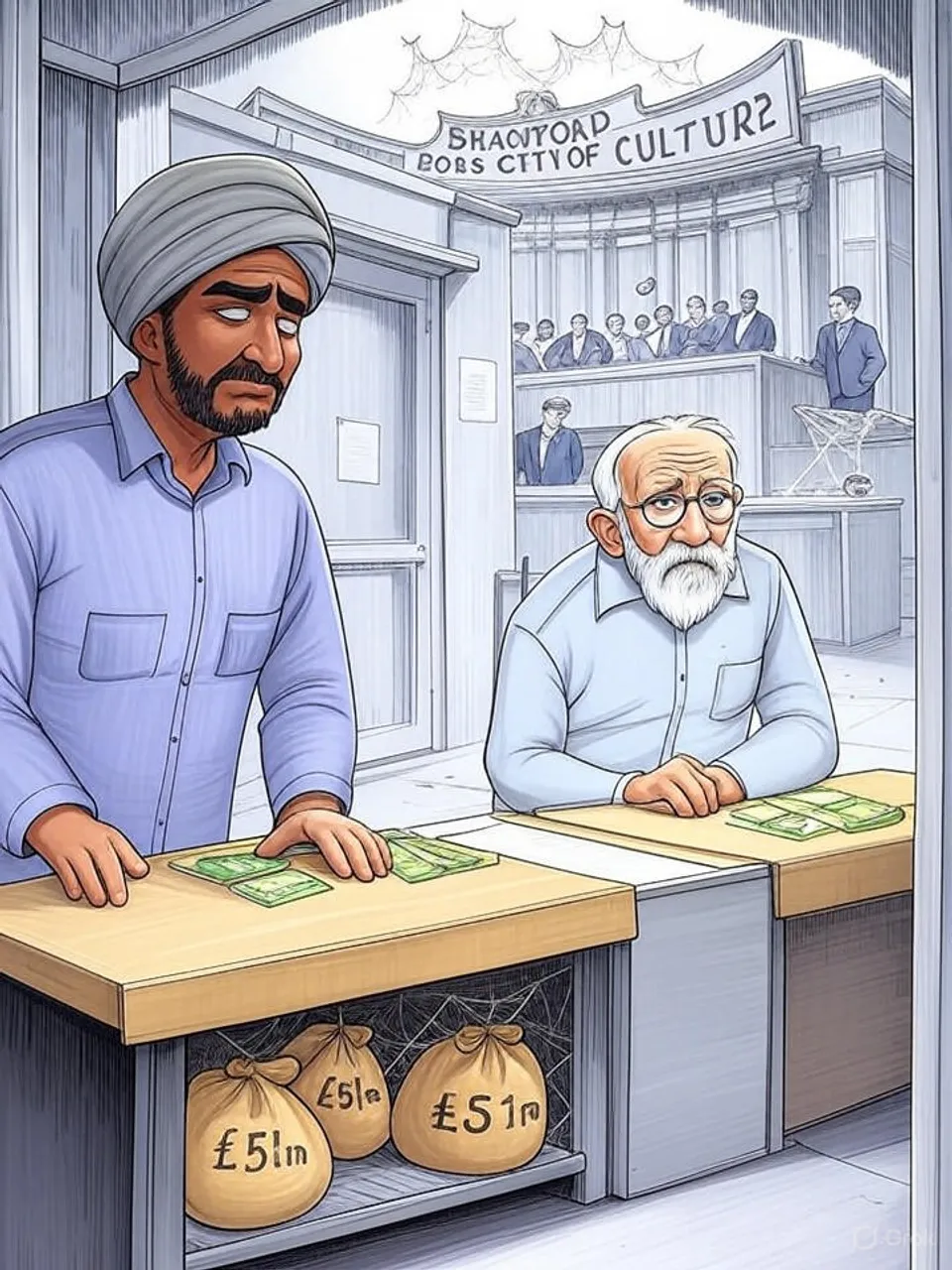
£15m government grant yields footfall gains but no high street windfall
Bradford's £51m UK City of Culture drew three million but left local businesses reporting flat trade. Public funds fuelled events and hype, yet economic legacy metrics stay vague amid recurring national patterns.
Three million visitors attended Bradford’s UK City of Culture events in 2025, organisers claim. The year cost £51 million, including £15 million from government, £10 million from Bradford Council and £6 million from West Yorkshire Combined Authority. City centre footfall rose 25 per cent, yet cafe supervisors and florists report no dramatic trade increase.
Local businesses hosted events in prime spots like City Park. Drew Oldfield at Cake ‘ole saw tourists but expected far more traffic. Florist John Varey called it a reminder of Bradford’s potential, provided the momentum continues.
Organisers highlight 5,000 events, the Turner Prize and 87,000 participants. Culture Secretary Lisa Nandy praised national pride. Arts Council England’s chief executive declared it a “big, bold and brilliant success”.
Economic Reality Check
Rail journeys from London rose 29 per cent, per council data. College creative course applications jumped. But high street outlets saw no proportional revenue lift.
£51 million breaks down to £17 per visitor. Fundraising and tickets covered part, but public funds formed the core. Private spending failed to materialise at scale.
Pattern of Cultural Spend
UK City of Culture bids promise regeneration. Hull’s 2017 title drew crowds but left lasting economic traces minimal; Coventry’s 2021 edition faced similar critiques. Bradford fits the template: spectacle subsidised by taxpayers, legacy asserted without metrics.
Governments rotate the honour every four years. Arts Council allocates grants regardless of fiscal strain. Local councils commit despite their own deficits—Bradford’s budget gaps predate 2025.
Who Pays, Who Benefits
Taxpayers funded 60 per cent of the budget via grants. Event performers, artists and officials gained training and exposure. Ordinary traders and residents saw footfall, not prosperity.
This occurs under Labour’s national government and council control. Predecessors backed prior titles with equivalent hype. The cycle endures across parties.
Civic pride rose, organisers say. Drone shows and brass bands filled schedules. Yet core district challenges—unemployment above national averages, deprivation indices in the worst quartile—persist untouched.
Institutional Priorities
Public money targets cultural prestige over infrastructure. West Yorkshire’s £6 million grant came amid stalled trams and regional transit failures. National £15 million arrived as nurse pay freezes and housing pledges falter.
Business owners urged continuity. Without it, the year becomes another transient boost. Data on sustained GDP impact remains absent.
Bradford 2025 exposes the UK’s addiction to event-led revival. Elites craft narratives of transformation from public cash infusions. Ground-level economics reveal the disconnect: crowds come, tills stay quiet, decline rolls on.
Commentary based on Braford 2025 culture year cost £51m and attracted three million people at BBC News.