Briefing Cuts Revive Elite Evasion Tactic
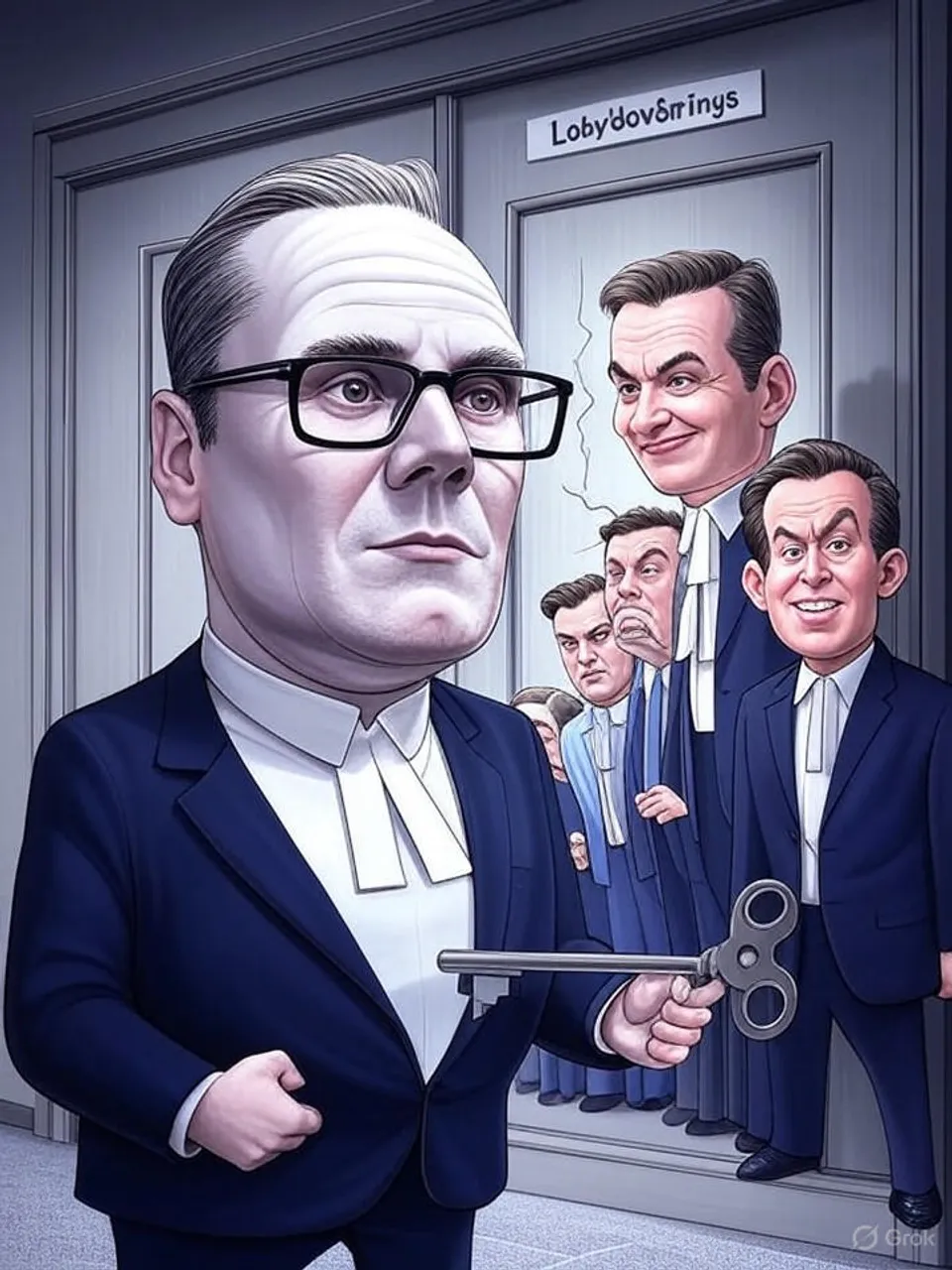
Starmer echoes Blair's failed 2002 bid to weaken lobby scrutiny
Downing Street reduces lobby briefings to curb uncontrollable questions, repeating cross-party efforts at narrative control. History shows such moves fail but erode public access to unfiltered government accountability.
Commentary Based On
The Telegraph
The lobby uncovers Labour sleaze – which is why Starmer wants it muzzled
Downing Street schedules fewer lobby briefings, limiting journalists to sporadic sessions with handpicked attendees.
Tim Allan, Starmer’s communications chief, drives the change. He targets the twice-weekly off-record encounters where up to 50 correspondents probe the PM’s spokesman without limits. Officials frame it as adaptation to video and influencers, but the core aim echoes past efforts: evade sustained grilling.
Lobby briefings deliver raw accountability. Journalists sustain questions on one topic across rounds, free from camera optics. Outcomes shape daily headlines on policy and scandal, from Cameron’s misrepresented “jumper” remark in 2013 to exposures of Johnson’s lockdown parties.
Labour sleaze provides fresh proof. Lobby work forced resignations of Angela Rayner and Peter Mandelson. Without these off-record pressures, such revelations stay buried.
History exposes the pattern. Alastair Campbell, Allan’s old boss, tried scrapping briefings in 2002 for televised ones. Blair pitched it as openness; reality was weaker scrutiny, with journalists limited to single questions.
The plan backfired fast. Admiral Michael Boyce, at a 2002 press conference, revealed troop shortages for Iraq prep—live on air. Broadcasters grabbed clips, but the lobby’s depth had already fueled Hutton inquiry scrutiny on Blair’s war case.
Campbell’s push collapsed. Governments since retained the lobby, valuing its chaos over controlled facades. Tories under Cameron and Johnson endured the same heat they now decry in Labour.
Cross-Party Control Craving
Every administration chafes at the lobby. Labour now joins Blair’s queue, while Tories faced identical gripes during scandals. The incentive stays constant: power holders prize story control above public insight.
Reducing briefings won’t kill questions. Journalists adapt off-record, as US reporters do alongside White House cameras. But fewer formal slots shrink structured access, tilting toward government-scripted narratives.
Public impact compounds quietly. Voters rely on lobby output for unspun government moves. Curtail it, and spin dominates—welfare hikes masked as relief, procurement waste as necessity.
Recent shifts amplify the retreat. Lobby events already dwindled to stage-managed affairs before this push. Starmer accelerates a transparency erosion that spans parliaments.
Institutional logic drives it. Communications pros like Allan and Campbell rise by polishing images, not weathering fire. Spokesmen prepare endlessly for briefings; slashing them frees bandwidth for compliant channels.
No party escapes. Labour’s sleaze hunt via lobby now threatens its own control. Tories partied through scrutiny until downfall; Blair’s war lies unraveled the same way.
Functional governance demands friction. Sweden holds daily open briefings with records; UK’s off-record edge once compensated. Now both fade, leaving officials unchecked.
Citizens pay the price. Polls track trust collapse—only 9% trust politicians per recent surveys. Briefing squeezes widen that chasm, fueling disengagement.
This reveals power’s true mechanics. Governments promise openness yet starve scrutiny tools. Labour’s move, like predecessors’, prioritizes insulation over illumination, entrenching decline.
The lobby squeeze cements a core UK pathology: accountability mechanisms atrophy under unified elite pressure. Cross-party repetition proves no electoral fix. Ordinary scrutiny yields to professional narrative lockdown, one briefing at a time.
Commentary based on The lobby uncovers Labour sleaze – which is why Starmer wants it muzzled by James Kirkup on The Telegraph.