Britain's Army Shrinks to 70,000 as Russia Fields 1.1 Million
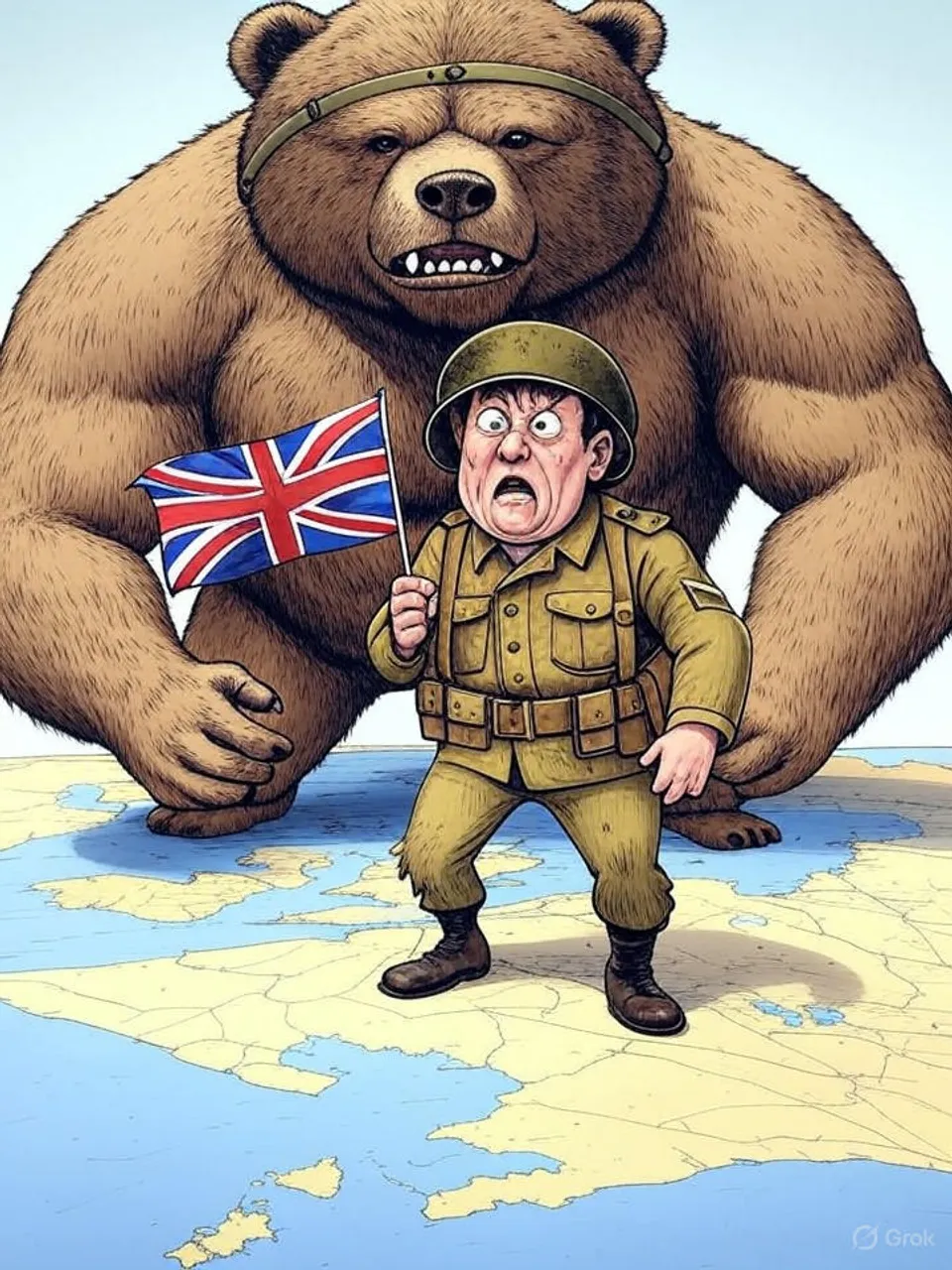
Defence chief demands sons and daughters prepare amid 16-to-1 troop disparity
UK's top military leader warns of Russia's growing 1.1m-strong army while Britain's forces dwindle to 70,000. Cross-party cuts leave society unprepared for threats once routine. (138 chars)
Commentary Based On
Sky News
Get ready to fight: Armed forces chief issues stark warning as Russian threat grows
Air Chief Marshal Sir Richard Knighton, head of the UK’s armed forces, declares the Russian threat worsening. Russia’s military stands at over 1.1 million personnel, battle-hardened from four years in Ukraine and backed by 7% of GDP. Britain’s army totals just 70,000 soldiers, with defence spending rising modestly from 2.3% to 2.5% of GDP by 2027.
Knighton calls for a “whole of nation” response. Sons, daughters, veterans, and civilians must build, serve, and fight if needed. This marks the starkest public admission from a defence chief since the Cold War’s end.
Post-1991, UK governments across parties pursued a “peace dividend.” Forces shrank from 300,000 regulars in the 1980s to today’s levels. Successive reviews—Strategic Defence Reviews of 1998, 2010, 2015—promised modernisation but delivered cuts.
Russia reversed its own hollowing-out over two decades. It doubled military spending as a share of government budgets. New weapons include nuclear-armed torpedoes and space-based systems, per Knighton.
UK peers act faster. Poland spends 4.2% of GDP on defence now. Germany targets 3.5% by 2029, alongside France reviving national service. Britain lags, with analysts pegging direct attack risk at up to 5%—not zero.
Recruitment Realities
British forces face chronic shortfalls. The army missed targets by thousands yearly under Conservatives and now Labour. Equipment delays compound the issue: submarines idle, ships mothballed.
Knighton notes societal detachment. National service ended 65 years ago; World War II concluded 80 years back. Most Britons lack military familiarity, eroding the resilience once routine.
Spending Patterns
Defence budgets stagnate relative to threats. Labour commits to 2.5%, but strategic shocks like Ukraine demand more. Cross-party inertia prioritises welfare and debt servicing over hard power.
Russia consumes 40% of its government spending on military needs. Britain allocates less than half that proportion. The gap fuels Knighton’s urgency: trends point to conflict, not stability.
Institutional capture explains persistence. Procurement wastes billions on failed projects like Ajax vehicles. Officials rotate without penalty, repeating underfunding cycles.
Ordinary citizens bear costs. Higher taxes loom for rearmament; infrastructure vulnerabilities expose daily life to hybrid threats. Families face Knighton’s warning: more will know sacrifice.
This exposes defence as microcosm of UK decline. Governments hollowed capabilities for fiscal short-termism, blind to geopolitical shifts. Russia’s rise meets Britain’s atrophy—1.1 million versus 70,000 defines the imbalance power now enforces.
Commentary based on Get ready to fight: Armed forces chief issues stark warning as Russian threat grows at Sky News.