Budget Backloads Pain to Election Eve
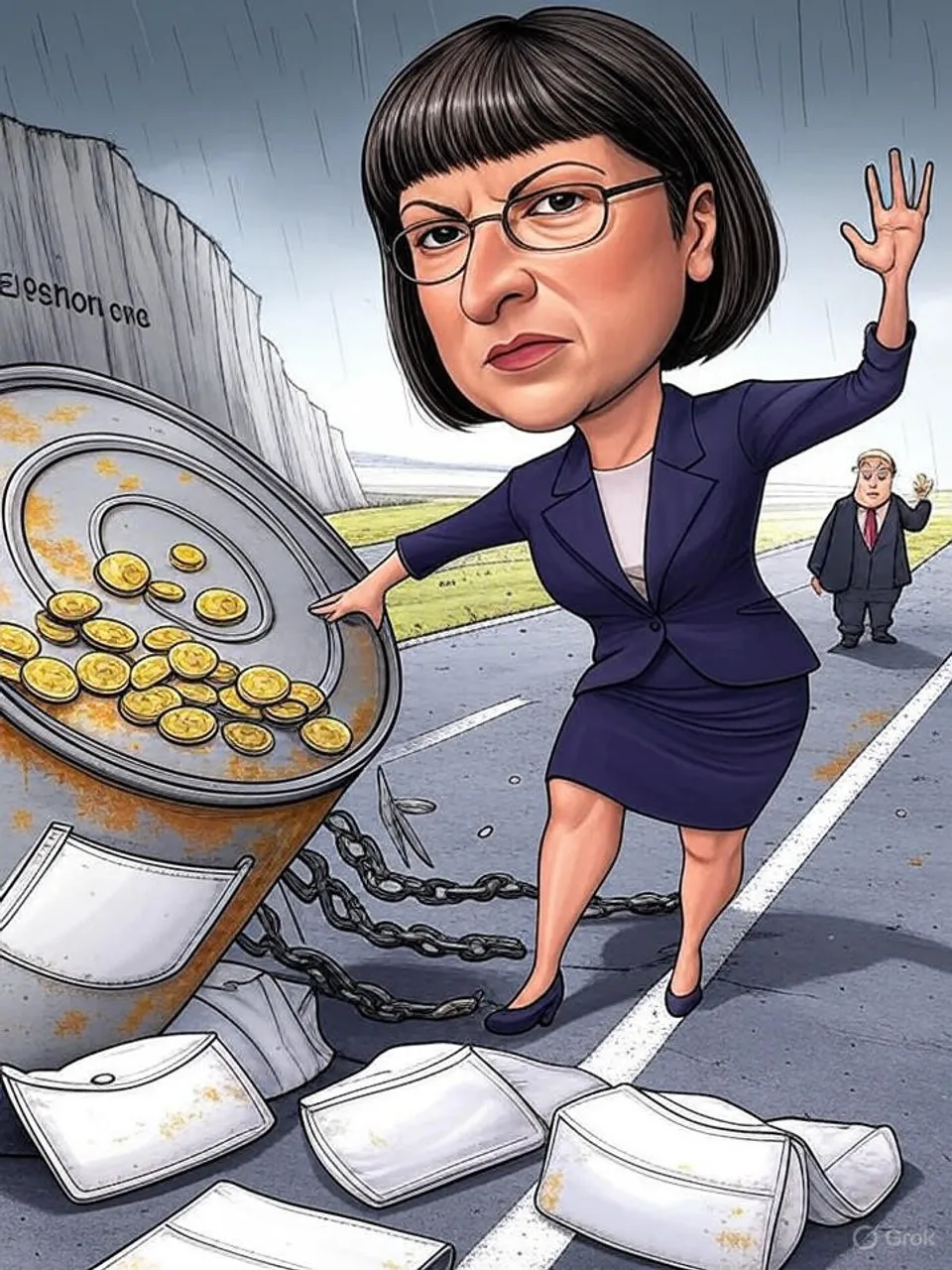
IFS exposes £850 household hit by 2029 amid threshold freezes
Rachel Reeves' budget delays tax rises and cuts until pre-2029 polls, hitting low earners hardest via threshold freezes. IFS warns of fiscal fiction as living standards fall £850 per household.
Commentary Based On
The Guardian
Budget tax rises may be ‘fiscal fiction’ as pain delayed for election year, IFS warns
Rachel Reeves’ £26 billion tax-raising budget promises fiscal discipline, yet the Institute for Fiscal Studies labels it “fiscal fiction.” Most tax rises and spending cuts land after 2028, squeezing voters just before the 2029 polls. This delays immediate backlash while baking in future hardship.
The Institute for Fiscal Studies highlights the high-risk gamble. Day-to-day departmental spending rises by only 0.5% in real terms for 2028-29 and 2029-30—half prior plans. Helen Miller doubts delivery, citing “near-heroic restraint” amid election pressures.
Threshold freezes on income tax and national insurance thresholds form the largest revenue raiser. The Resolution Foundation calculates this hits households below £35,000 harder than a 1p rate rise, which would raise equivalent funds. All but the top 10% of earners fare worse under freezes.
Nearly 920,000 more people enter higher-rate tax brackets as wages rise against frozen thresholds. One Labour minister notes fury among those earning double the minimum wage. This undermines claims of protecting working families.
Living standards data underscores the toll. The Joseph Rowntree Foundation projects average households £850 worse off annually by 2029-30 versus Labour’s entry to power, despite energy bill cuts. This marks the bleakest parliament on record.
Borrowing’s Sharp Turn
Borrowing exceeds plans for three years before plummeting by 2029-30 to meet fiscal rules. Reeves banks on growth defying Office for Budget Responsibility forecasts and lower bond costs. Yet OBR flags a £6 billion shortfall in special educational needs funding.
Labour MPs voice unease. Backbenchers decry constituents—especially young voters—growing poorer in election year. Scrapping the two-child benefit cap wins praise, but future taxes to fund it spark doubts.
This echoes fiscal patterns across governments. Recent “fiscal fictions” deferred pain, as Miller notes, spanning Tory and Labour tenures. Borrowing ramps up short-term, restraint follows electoral cycles.
Governments repeat the cycle: frontload spending or tax relief, backload pain. Incentives reward avoidance of voter pain now, even if it compounds later. Accountability evaporates as chancellors depart post-election.
Ordinary citizens bear the cost. Working parents gain from benefit changes—70% of two-child cap abolition aids them, per IPPR—but threshold drags and spending squeezes erode gains. Productivity stagnates amid tax distortions.
Institutions enable this. Office for Budget Responsibility forecasts modest downgrades, granting headroom for U-turns on disability cuts and winter fuel. Fiscal rules bind loosely when politics intervenes.
Reeves’ strategy reveals core dysfunction: politicians treat budgets as electoral shields, not economic repairs. Living standards decline persists because no party confronts upfront fixes. Britain’s fiscal apparatus prioritizes re-election over reality, entrenching stagnation.
Commentary based on Budget tax rises may be ‘fiscal fiction’ as pain delayed for election year, IFS warns by Heather Stewart on The Guardian.