Bus Breakdown Opens Door to Predator's Deception
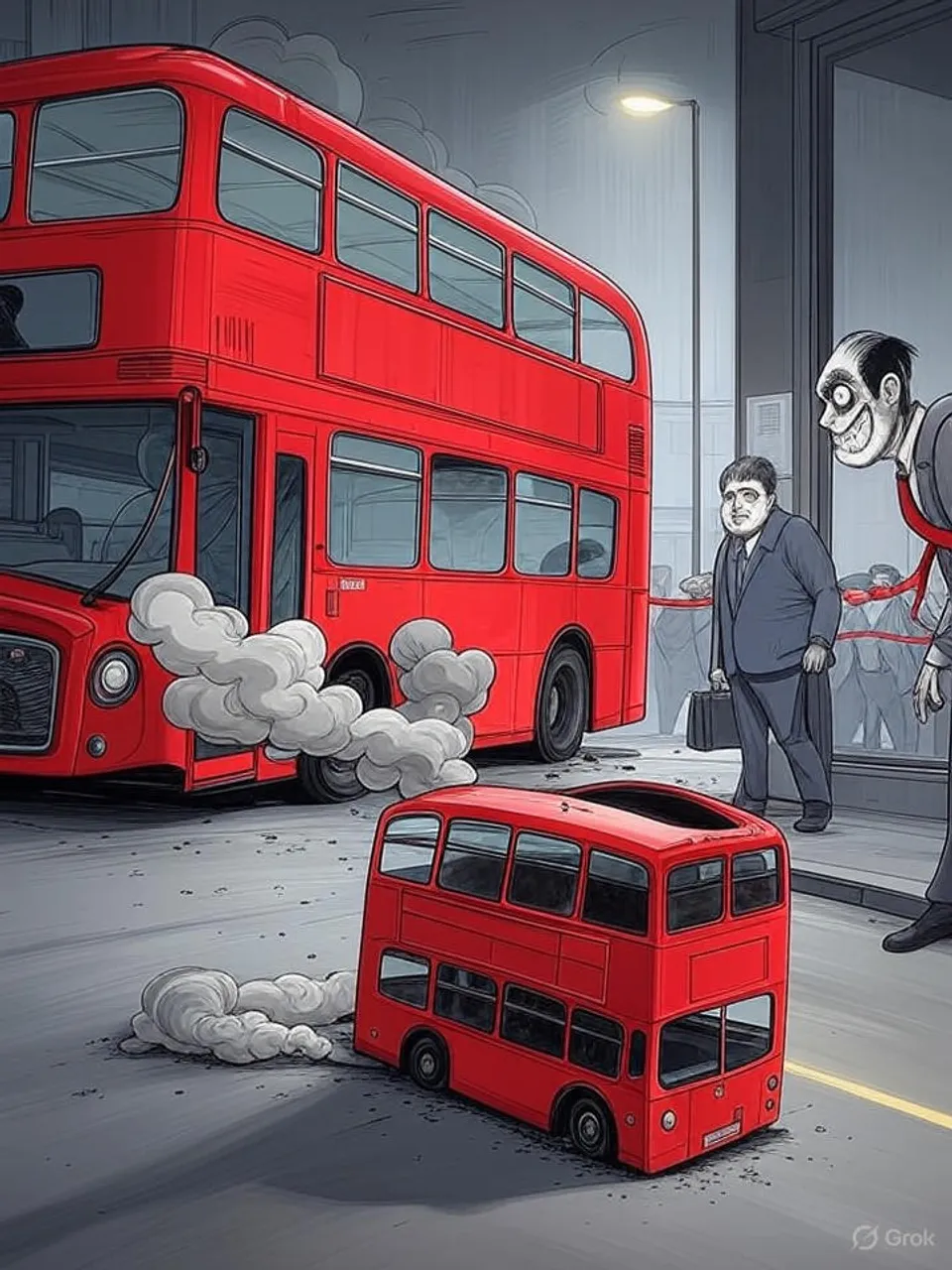
Nigerian student's taxi ruse leads to triple rape of 17-year-old in Bradford
A routine transport failure enabled a migrant student's assault on a vulnerable teen, exposing gaps in public safety, immigration oversight, and infrastructure reliability that persist across UK governments. This case underscores how everyday disruptions amplify risks for citizens.
Commentary Based On
GB News
Nigerian migrant raped Bradford girl, 17, after tricking her into taxi ride and luring her to his flat
A Nigerian student preys on a stranded teenager during a routine bus disruption, turning a shared taxi into a site of multiple rapes. Official accounts frame this as an isolated act swiftly addressed by the courts, yet the incident exposes unchecked vulnerabilities in public mobility and migrant oversight. Bradford’s streets, meant to be safe conduits for daily life, instead facilitated deception and assault.
The sequence unfolded on a March evening when a bus service ended prematurely, stranding passengers including the 17-year-old victim whose phone had died. Chiemka Okoronta, 29, a Nigerian migrant enrolled as a student, offered to split a taxi fare. She paid £4.90 for her portion, expecting a drop-off at Bradford bus station.
Okoronta diverted the taxi to his flat without disclosure. In court, prosecutors detailed his “kissing movements” during the ride and false assurances of help inside. Once there, he locked her in a bathroom and raped her three times, as confirmed by Bradford Crown Court testimony.
CCTV footage later showed the girl fleeing, begging passersby for aid. Her victim impact statement described relentless flashbacks, nightmares, and emotional volatility that upended her life. Okoronta received a 10-year sentence, with deportation to Nigeria mandated post-release.
This case highlights fractures in everyday infrastructure. Bus terminations, common in underfunded public transport networks, leave users—especially young women—exposed without reliable alternatives. The victim’s dead phone underscores digital dependency in an era where cashless bookings and family contacts hinge on battery life, amplifying isolation.
Migrant status enters the narrative through Okoronta’s role as a student visa holder. UK immigration rules permit such entries for education, yet vetting processes rarely screen for predatory risks beyond criminal records. His presence in Bradford, a city with strained resources, reflects broader patterns where student inflows outpace integration support, creating parallel vulnerabilities.
Policing responded efficiently here: swift reporting enabled a rapid investigation, as Detective Constable Sue Sutcliffe noted. The conviction rate—100% on three rape counts—contrasts with national trends where only 1.6% of reported rapes lead to charges, per 2023 Ministry of Justice data. Yet this success masks systemic underreporting, with victims often deterred by distrust in outcomes.
Deportation clauses in sentencing aim to remove threats, but enforcement lags. Home Office figures show 12,000 foreign national offenders remained in the UK as of 2022, despite removal orders, due to appeals and logistical barriers. Okoronta’s case, while resolved, joins a queue where delays prolong public exposure.
Broader social fabrics fray under these pressures. Bradford, with its 30% poverty rate and high youth unemployment per ONS data, breeds environments where opportunists exploit desperation. Trust in strangers erodes when public spaces double as hunting grounds, a shift from safer mid-20th-century norms when communal reliance felt secure.
Immigration policy across governments promises control but delivers gaps. Labour and Conservative administrations alike expanded student visas—peaking at 486,000 grants in 2022—without matching safeguards against exploitation or crime. This incident reveals how policy abstractions collide with lived peril, prioritizing inflows over citizen safety.
Justice delivers retribution, but prevention falters. Functional governance would integrate transport reliability, phone access mandates for youth, and rigorous migrant monitoring into cohesive safeguards. Instead, repeated failures across parties leave ordinary disruptions as entry points for violence.
The uncomfortable truth stares from this courtroom: Britain’s decline manifests in the mundane, where a bus halt and a kind offer unravel lives. Institutional silos—transport, immigration, policing—operate in isolation, shielding predators while citizens navigate peril alone. Until accountability pierces these voids, vulnerability defines the everyday.
Commentary based on Nigerian migrant raped Bradford girl, 17, after tricking her into taxi ride and luring her to his flat at GB News.