Cambridge Night Leaves Two Weeks of Bed Bug Recovery
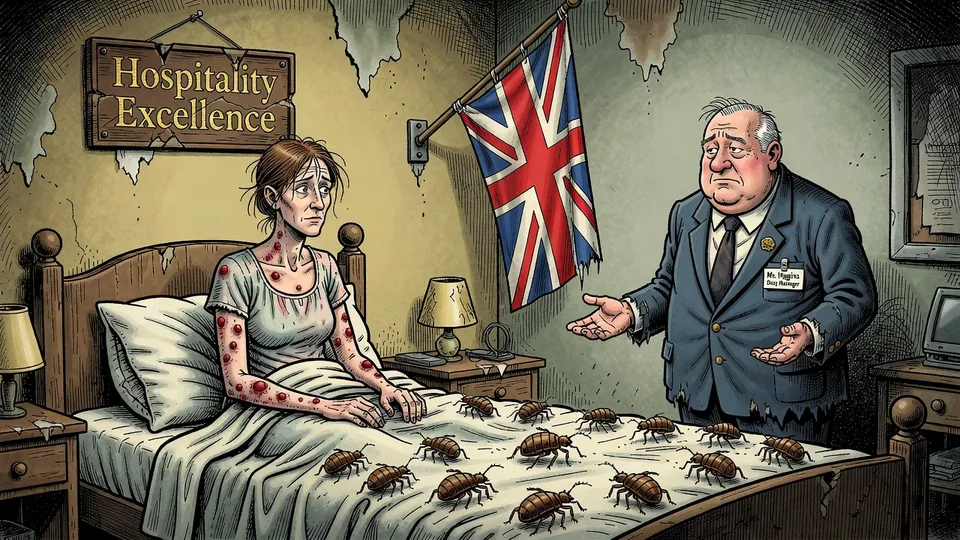
Travelodge acted after TikTok post, not initial complaint
A single hotel stay produced persistent bites and required social media pressure for redress, exposing reactive standards in UK hospitality.
A Cambridge woman discovered bed bug bites the morning after a single night at a Travelodge on Newmarket Road, with red lumps and swelling spreading across her body and face for the following thirteen days. The hotel initially ignored her complaint until she posted images on TikTok, after which it offered £2,000 in compensation. Travelodge maintains that it applies expert-led prevention measures, yet the infestation occurred anyway.
The guest had chosen the hotel to avoid a late taxi home after an evening in the city. She awoke to blood spots on the bedding and visible insects, signs the British Pest Control Association identifies as standard indicators of bed bugs. Symptoms persisted through repeated antihistamine use, disrupted sleep, and self-consciousness that kept her from social events.
Travelodge removed affected rooms for treatment only after the public post. Its statement emphasised customer safety as a priority and described such incidents as rare. No details emerged on prior inspections, frequency of checks, or any internal review triggered by the case.
This sequence shows a pattern where direct complaints produce no action until amplified externally. The compensation resolved the immediate claim without evidence of wider changes to room protocols or record-keeping. Customers bear the physical and social costs while the company controls the timeline of response.
Bed bugs become more active during warmer periods, increasing feeding and mating according to pest control data. The UK hospitality sector operates under the same climate conditions, yet individual hotels appear to treat infestations as isolated events rather than cumulative risks. Cambridge attracts visitors for its academic and cultural sites, but the incident occurred in a standard roadside location on a main road.
Similar reports have surfaced at other UK hotels in recent years, often resolved through payouts after social media exposure. The mechanism rewards visibility over prevention and leaves verification to the affected party. No regulatory body tracks hotel pest incidents centrally or imposes recurring inspections tied to complaint volume.
The episode fits a wider record of service delivery where stated standards fail to match outcomes until external pressure intervenes. Ordinary users absorb the disruption, medical costs, and recovery time while operators adjust only when reputation is at stake.
Commentary based on Cambridge Travelodge bed bugs ordeal 'tarnishes' woman's stay at BBC News.