Chancellor Eyes Benefit Expansion Amid Tax Pledge Fracture
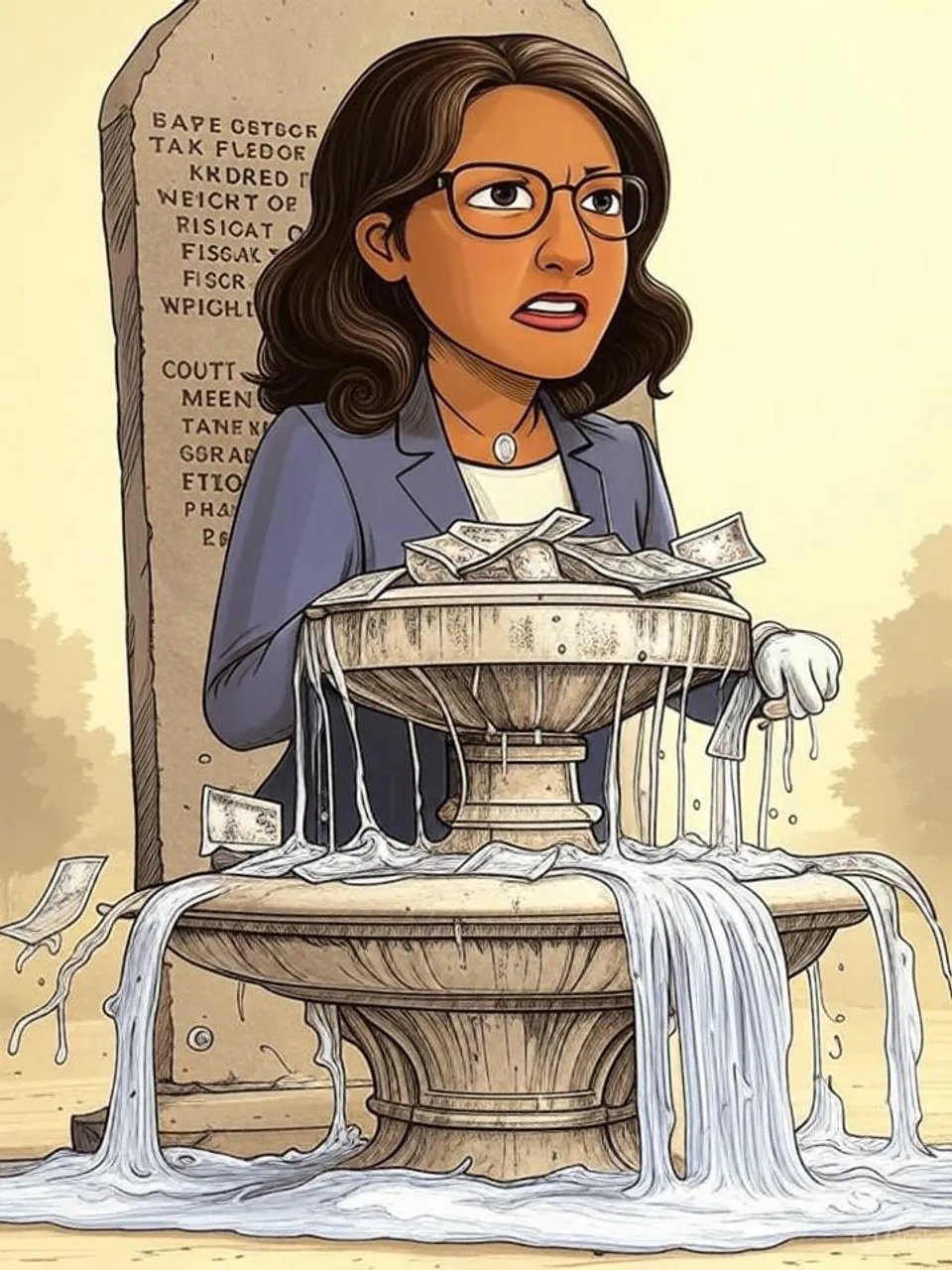
Two-child cap reversal costs £3.6bn yearly, but manifesto tax bans bend under fiscal strain
Rachel Reeves' push to scrap the two-child benefit limit aims to cut child poverty, yet funding via tax hikes breaches Labour pledges and highlights recurring fiscal-political tensions across governments.
Rachel Reeves signals the end of the two-child benefit cap, a policy that blocks payments for third and subsequent children born after April 2017. This move promises to lift 630,000 children from absolute poverty, per Institute for Fiscal Studies estimates, at an annual cost of £3.6 billion. Yet her words coincide with hints of tax increases that directly contradict Labour’s 2024 manifesto commitments.
The cap originated under Conservative rule in 2017, aimed at curbing welfare spending amid rising deficits. It affects universal credit and child tax credit recipients, distinct from uncapped child benefit for families earning under £80,000. An overall benefit cap, set in 2013, further limits total household payments for working-age families.
Reeves frames the change as moral imperative: children should not suffer for family size decisions beyond their control. She invokes the last Labour government’s success in halving child poverty from 1997 to 2010 through targeted investments. Current levels stand at 4.3 million children in relative poverty, a figure that climbed under 14 years of Tory governance.
Implementation details remain vague. Treasury options include a tapered system reducing payments after the first child or limits up to three or four children. Reeves rejects size-based restrictions outright, prioritizing poverty reduction alongside NHS funding and economic growth.
Funding this requires fiscal maneuvering. Labour’s manifesto barred rises in income tax rates, National Insurance, or VAT. Reeves now admits sticking to these would demand deep capital spending cuts, a path she deems untenable.
She has already raised employer National Insurance contributions, sparking backlash for breaching the spirit of pledges. Freezing tax thresholds beyond 2028—allowing fiscal drag to pull more earners into higher bands—looms as another unmentioned tool. These shifts burden working households while benefits target the poorest.
Child poverty metrics expose the cap’s impact. Since 2017, it has denied £2,000 annually per affected child, pushing 50,000 more into poverty by 2023, according to the End Child Poverty coalition. Reversing it addresses a symptom, but root causes like stagnant wages and housing costs persist across administrations.
Previous Labour efforts succeeded temporarily through tax credits and minimum wage hikes, only for reversals under austerity. Tories justified the cap as aligning welfare with working-family budgets, yet child poverty rose 500,000 during their tenure. Both parties cite fiscal constraints, yet public debt climbed from 37% of GDP in 2007 to 98% today.
Reeves’ priorities—NHS waiting lists, growth, and poverty—clash with inherited deficits. June’s spending review allocated £22 billion extra for public services, much of it unfunded under prior plans. Blaming Tories for penciled-in but unpaid commitments ignores Labour’s own spending commitments.
Political pressures mount from within. Labour MPs, including deputy leader contenders Lucy Powell and Bridget Phillipson, demand full reversal. Reform UK offers a partial scrap for “working British couples,” while Conservatives defend the cap, insisting welfare mirrors private choices.
This debate underscores policy volatility. The 2013 overall cap survived Labour’s return; the two-child limit may follow suit or face dilution. Voters face repeated promises of poverty relief, delivered in fits amid economic cycles.
Ordinary families bear the inconsistency. A household with three children loses £3,200 yearly under the cap, equivalent to 10% of low-income earnings. Tax hikes to fund reversal hit the same squeezed middle, where 70% of child poverty occurs in working homes, per Joseph Rowntree Foundation data.
Institutions enable this churn. Chancellors across parties adjust benefits reactively, tied to electoral cycles rather than long-term strategy. The Office for Budget Responsibility forecasts ongoing deficits, limiting bold action without revenue shifts.
Fiscal rules bind hands further. Labour’s charter mandates debt falling as share of GDP by 2029-30, forcing trade-offs. Reeves prioritizes “what is right for the country” over manifesto ease, echoing predecessors who bent rules under pressure.
The pattern reveals deeper malaise. Governments pledge poverty eradication—Labour’s 2024 manifesto targeted halving it in a decade—yet structural barriers like productivity stagnation (1.8% annual growth since 2008, below G7 average) undermine delivery. Benefit tweaks treat symptoms while economic foundations erode.
Citizens encounter a system where policy reverses with each election, eroding trust. Polls show 62% believe politicians prioritize party over country, per Ipsos. This cap’s potential lift offers marginal gain, but without addressing wage inequality or housing shortages, poverty metrics will rebound.
Britain’s welfare architecture, patched since the 2010s, sustains inequality. Cross-party failure to build resilient growth leaves chancellors juggling caps and taxes in perpetual crisis. Reeves’ signals expose the illusion of decisive governance: promises clash with realities, and families pay the enduring price.
Commentary based on Rachel Reeves suggests family benefit limits will be lifted at BBC News.