Colonial Debts Resurface in Diaspora Mobilization
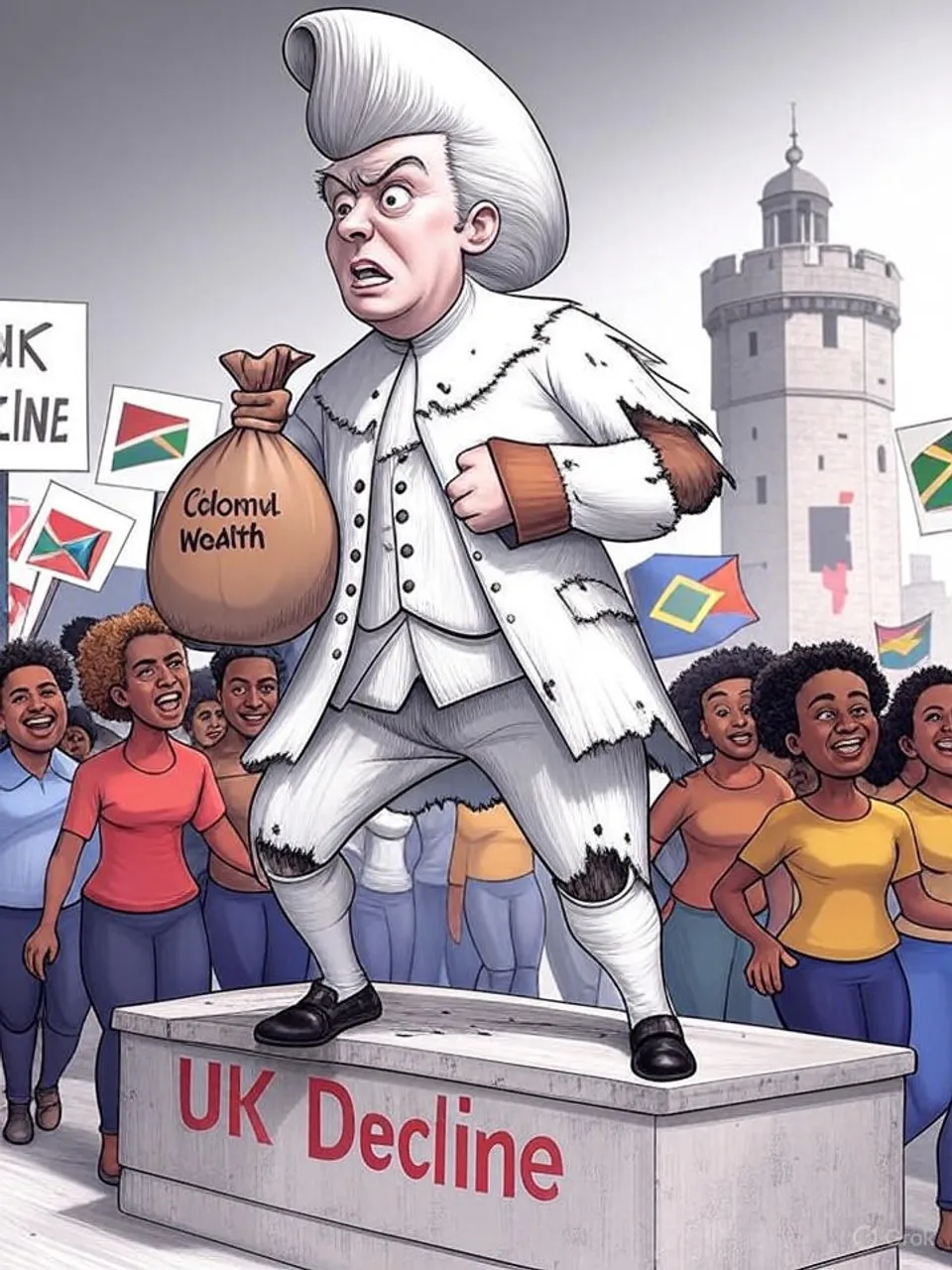
Caricom's UK push eyes trillions for slavery and racism redress
A Caricom delegation recruits black Britons for reparations, demanding trillions amid Britain's fiscal strain. This highlights persistent accountability gaps from colonial history, exacerbating social and economic divides.
Caribbean delegates arrive in London, seeking black Britons to form a united front for reparations over slavery and persistent racism. The Caricom commission demands trillions in compensation, framing it as redress for Britain’s colonial legacy. Official channels remain closed, so they target civil society to build pressure.
The delegation, led by Sir Hilary Beckles, outlines a 10 Point Plan from 2013. It calls for debt cancellation, technology transfers, and healthcare aid to Caribbean nations. Diaspora involvement extends this to UK-specific issues like institutional racism and economic exclusion.
Eric Phillips, Guyana’s delegate, emphasizes a “holistic global movement.” He links Caribbean struggles to those of black communities in Europe, including police violence and cultural erasure. The plan now incorporates demands for women and Indian indentured laborers, broadening the scope.
Sir Lenny Henry’s book, The Big Payback, endorses £18 trillion in payments to Caribbean states and individual black Britons. Labour MP Bell Ribeiro-Addy, chair of the All Party Parliamentary Group for Afrikan Reparations, plans to meet the delegation. Green MP Carla Denyer and Labour’s Clive Lewis join the group, signaling cross-party interest.
This mirrors a prior Caricom agreement with European diaspora groups in The Hague. That pact pursues joint demands for reparations programs with community input. In the UK, delegates propose a permanent advocacy body, modeled on a Dutch partnership already formalized.
Beckles invites Britain to a “win-win” role in education and development aid. He argues decolonization left Caribbean nations illiterate and underdeveloped, requiring new alliances. Reparations, he claims, could yield psychological, spiritual, and economic benefits for the UK.
Yet Britain’s public finances strain under existing commitments. National debt exceeds 100% of GDP, with welfare costs at £300 billion annually and NHS waiting lists topping 7.6 million. Adding trillions would demand tax rises or cuts elsewhere, hitting working households already facing stagnant wages.
Historical precedents show Britain’s pattern of deferred accountability. Post-WWII, the UK rebuilt Europe via Marshall Plan aid totaling $13 billion in today’s terms, yet ignored colonial debts. Independence settlements in the 1960s provided minimal support, leaving former colonies reliant on IMF loans averaging 5% of GDP in debt service.
Governments across parties evade direct engagement. Labour’s 1997-2010 administration acknowledged slavery’s wrongs but offered no compensation. The Conservatives under Cameron in 2013 dismissed reparations outright. Current Labour avoids comment, focusing on domestic fiscal repair.
This recruitment drive risks deepening social fractures in the UK. Black Britons, numbering 2.5 million or 4% of the population, face median wealth 20% below the national average. Aligning them with foreign demands could fuel resentment amid rising migration debates and economic insecurity.
The 10 Point Plan’s socio-economic focus avoids individual payouts, per Grenada’s Arley Gill. Resources would fund regional development, not pockets. Still, implementation falls to UK taxpayers, whose living standards have declined 2.5% since 2008 against OECD peers.
Institutional trust erodes further. Polls show 60% of Britons view colonialism negatively, but only 20% support financial reparations. Diaspora mobilization tests this divide, exposing how historical harms compound modern inequalities without resolution.
Reparations discourse recurs without closure. UNESCO’s 2001 slavery report urged compensation; CARICOM’s 2010 plan went unanswered. Each iteration burdens strained democracies, diverting from immediate crises like 1.2 million in fuel poverty.
This episode underscores Britain’s systemic inertia. Colonial extraction built empire on uncompensated labor—£2.5 trillion in today’s value from slavery alone. Two centuries later, demands resurface as the nation grapples with post-Brexit stagnation and public service collapse.
The uncomfortable truth: Britain’s decline accelerates when past injustices demand present payment. Governments sidestep the ledger, leaving ordinary citizens to bear the fiscal and social costs. Reparations, ignored or delayed, entrench a cycle of resentment and underinvestment that hollows out the UK’s core.
Commentary based on Caribbean nations to recruit black Britons in reparations drive by Craig Simpson on The Telegraph.