Courts Bury Asylum Status Until Conviction
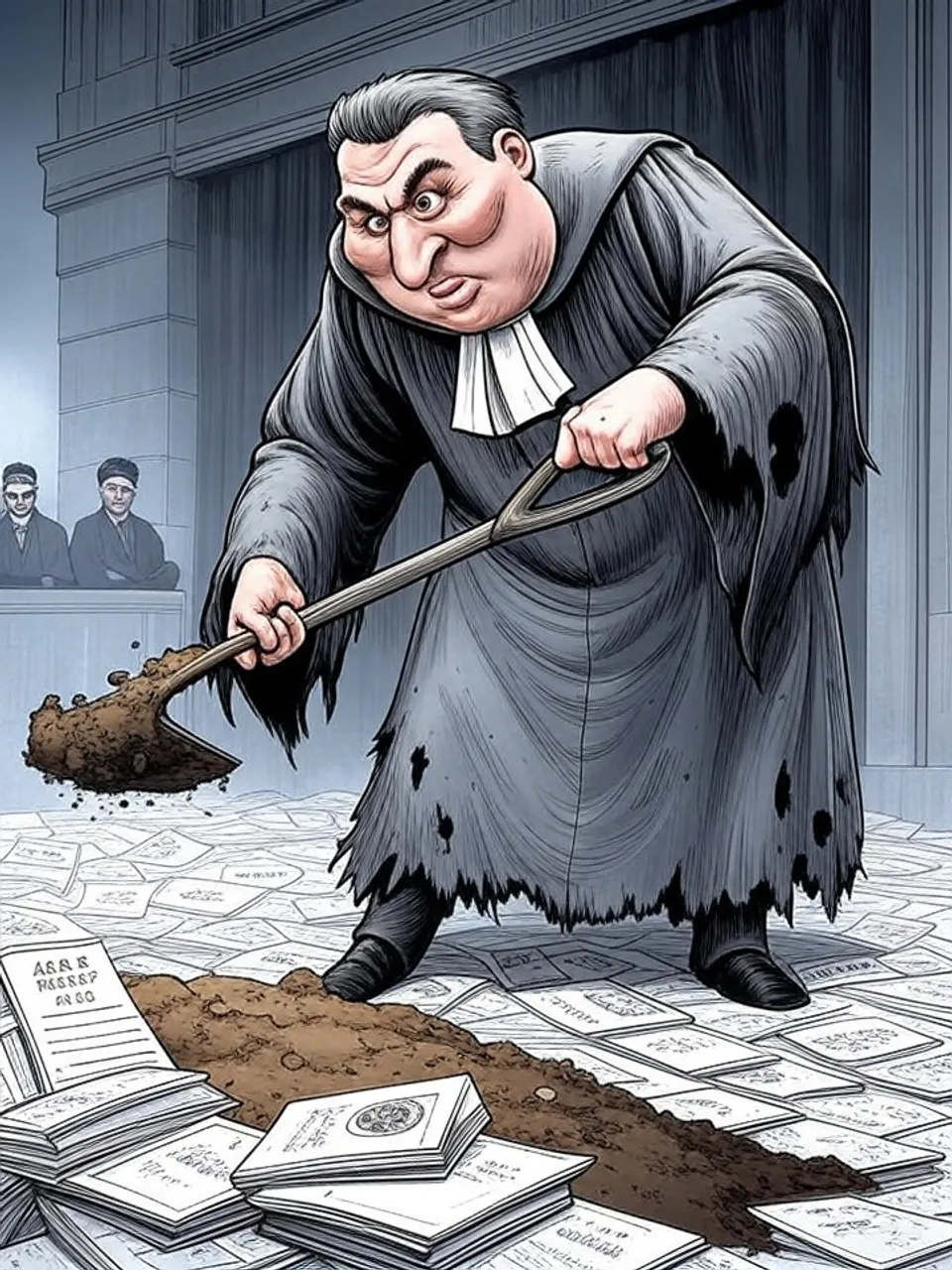
Reporting bans on rapists like Sheraz Malik conceal Home Office failures
Courts and police suppress asylum seekers' involvement in rapes and grooming until verdicts, hiding policy-enabled crimes from the public. This systemic opacity spans governments, fueling distrust amid unchecked inflows.
A Pakistani asylum seeker raped an 18-year-old woman in a Nottinghamshire park last year. Nottingham Crown Court imposed a reporting restriction that concealed his status, forcing media to describe him only as “a man.” The ban lifted only upon his guilty verdict this week.
Sheraz Malik received Home Office support: hotel accommodation and a £50 weekly stipend. This placed him in the community where he attacked a vulnerable, intoxicated victim. Officials housed a man who never should have entered Britain.
Similar blackouts recur. In Leamington Spa last May, two Afghan small boat arrivals abducted and raped a 15-year-old girl. Warwickshire Police initially called them “two 17-year-old boys from Leamington,” misstating the victim’s age as that of a “young woman.”
Reporting emerged only at sentencing in December, after a Daily Mail legal challenge. Trial footage remains sealed; the rapists’ barrister warned of public “disorder” if released. Courts prioritize calm over disclosure.
Glasgow’s Hidden Grooming Network
Police Scotland dismantled a 2016 Glasgow grooming gang of 55 asylum seekers. Authorities withheld this from the public for four years. The Daily Express exposed it in 2020.
Baroness Casey’s 2023 grooming gangs audit found asylum seekers form a “significant proportion” of current investigations. Young men from nations with regressive gender norms dominate asylum inflows. Yet police record immigration status inconsistently for those in custody.
National guidelines require status checks on foreign nationals. Most forces fail to comply. This obscures the migrant crime footprint.
Judicial Calculus Suppresses Facts
Courts intervene to mute backlash. The Court of Appeal upheld an Essex asylum hotel amid protests, citing risks of “disorderly” demonstrations. Protesters received harsher sentences than some asylum sex offenders.
In Southport unrest, justice targeted protesters and social media posters. Grooming gangs evade hate crime labels, despite preying on white girls. New Labour framed hate crimes to signal anti-racism; today’s system avoids inflaming multiculturalism doubts.
Home Office resists nationality-based crime statistics. Officials bet suppression delays scrutiny. Revelations later fuel greater distrust.
These patterns span governments. Labour, Tory, and coalitions all sustain asylum volumes exceeding 100,000 annually since 2019. Hotel use costs £8 million daily, scattering claimants without vetting.
Crime links emerge despite opacity: foreign nationals overrepresented in arrests, per Ministry data. Secrecy shields policy from verdict.
Transparency gaps erode public consent. Citizens fund systems that import risks then hide them. Trust in courts, police, and Home Office fractures as facts surface piecemeal.
This institutional reflex—narrative over evidence—defines modern governance. State actors across parties guard migration orthodoxy at truth’s expense. Britain’s decline accelerates when reality bows to fear of unrest.
Commentary based on Brits are being kept in the dark about asylum crime by Laurie Wastell on The Spectator.