Dartmoor Farmers Surrender 4,500 Sheep to Impunity
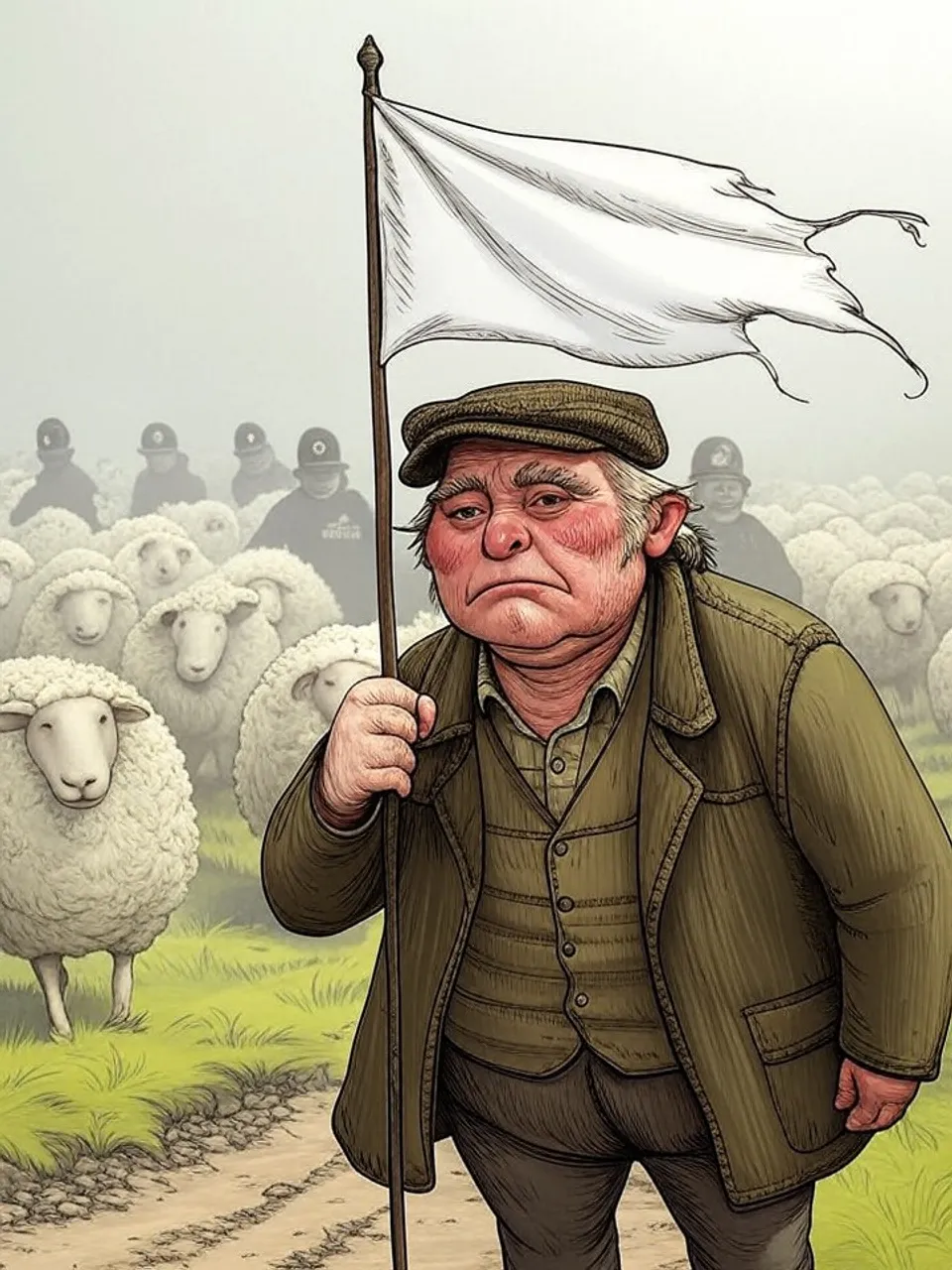
Zero prosecutions amid £540,000 losses push flocks off ancient moors
Sheep rustling claims 4,500 animals and half a million pounds from Dartmoor farms, with no prosecutions in five years despite police vows. Institutional inaction drives farmers to quit, eroding rural economies and ecology.
Colin Abel lost 4,500 sheep to rustlers over the past decade on west Dartmoor. Each ewe fetches £120, totaling £540,000 in vanished livestock from his family farm since 1888. Police logged no prosecutions in Devon and Cornwall over five years.
Devon and Cornwall Police recorded 1,300 stolen sheep in 2024. Nearly 800—62%—came from west Dartmoor, accounting for over 10% of the UK’s 10,000 reported thefts. NFU Mutual tallied £2.7 million in national livestock theft costs for 2023 alone.
Rustlers exploit the moor’s remoteness. Sheep roam free for nine months, ear tags remove easily, and animals feed illegal meat markets or black-market sales. Officers admit insiders from farming networks handle theft and disposal.
Devon and Cornwall Police pursue forensics, surveillance, and tracking. PC Julian Fry vows to investigate every report seriously. Yet zero convictions persist amid these efforts.
National specialist Martin Beck, appointed in 2024, demands more rural policing investment and training. Farmers like Abel trial satellite collars at £199 each plus subscriptions—unaffordable for flocks of thousands. Advanced AI tags from firms like Ceres exist but scale slowly.
Abel’s losses exceed 400 ewes this winter. Neighbor Neil Cole dropped £7,000 this year, expecting only 160 of 220 lambs back. A Defra report labels Dartmoor sheep farming “economically extremely marginal.”
Farmers weigh quitting the moors. Abel knows peers planning to pull flocks or exit entirely. Younger generations shun the trade as theft erodes profits amid debts and mortgages.
Sheep grazing shaped Dartmoor for 6,000 years, sustaining its ecology. Abandonment risks landscape degradation. Community rifts grow from suspected local involvement.
This follows national rural crime patterns. Foreign nationals claimed 80% of train theft arrests recently, while police centralize amid urban priorities. Frontline rural capacity shrinks regardless of government.
Policing repeats structural promises without results. Home Secretary Shabana Mahmood eyes mergers of 43 forces, mirroring past fixes that ignored incentives. Theft surges as response lags.
Institutions shield failure. Officers promise to end sheep rustling, but data shows unchecked crime. Farmers insure less or quit reporting to dodge premiums, deepening invisibility.
Rural economies fray at edges like Dartmoor. Marginal farms fold under compounded pressures—theft atop inheritance tax hikes and subsidy shifts. Ordinary citizens face higher meat prices from tainted supply chains.
Accountability evaporates in remote spaces. No officer faces demotion for zero prosecutions; budgets tighten instead. Functional governance would deploy tech subsidies and insider probes with swift courts.
UK decline embeds in these fields. Traditional land use collapses under unpunished crime, just as prisons rot unused and services centralize into inefficiency. Farmers’ exit signals broader civic retreat from productive life.
Commentary based on 'I've lost 4,500 sheep to thieves on Dartmoor' at BBC News.