Detainees Book Dentists as Britons Pull Their Own
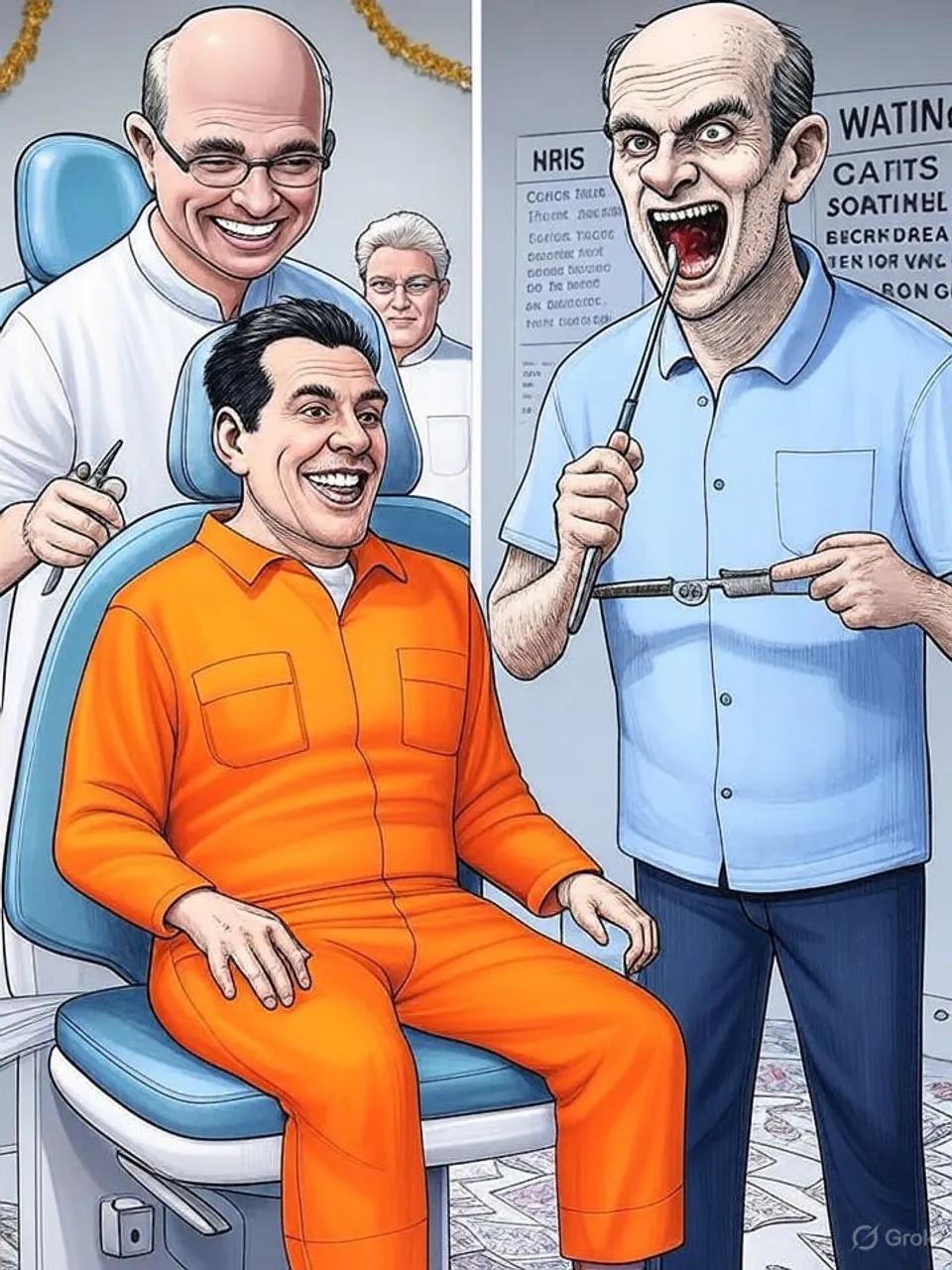
£23m Haslar contract delivers gold-star NHS care amid 14m adult access crisis
Foreign criminals in a new deportation centre gain full NHS dental and primary care, while 14 million Britons face shortages. Taxpayer-funded equivalence exposes inverted priorities persisting across governments. (148 chars)
Foreign criminals detained for deportation secure NHS dentist appointments at a new Hampshire centre, while 14 million English adults cannot book one.
The Haslar Immigration Removal Centre opens in January 2027 with a £23 million taxpayer-funded healthcare contract over seven years.
This package delivers “gold star” dental services alongside GP access, nursing care, out-of-hours pharmacy, and therapies like smoking cessation.
Access Disparities
British adults face stark rationing.
The British Dental Association reports 28 per cent—14 million people—lack NHS dentist access.
YouGov polls show a quarter cannot secure GP appointments when needed, with a third unable to contact practices and 21 per cent denied timely slots.
Detainees receive equivalent or superior provision.
Home Office rules mandate the “range and quality” of NHS treatment available to the general public.
In practice, low waiting times and drop-in services at centres like Dungavel exceed public norms, as chief inspector Charlie Taylor noted.
Contract Realities
Taxpayers fund £101 million in total refurbishments for Haslar, including electrics, heating, and living upgrades.
Capacity starts at 130, potentially expanding to 600.
These enhancements avert legal challenges over conditions, following Manston compensation claims worth millions from nearly 200 asylum seekers.
Healthcare forms a core element.
Foreign nationals, including criminals, access primary care without the backlogs crippling citizens.
Broader Pressures
NHS primary services buckle under strain.
A “superflu” crisis drives flu admissions up 50 per cent in a week, with nearly 3,000 hospital beds occupied—a seasonal record.
Chemists deplete vaccine stocks; schools close amid outbreaks.
Doctor strikes compound delays.
Yet detainee facilities prioritise seven-day mental health support, with urgent referrals in 24 hours.
Persistent Priorities
Such provisions predate the current government.
The article clarifies existing rights to GP, nursing, pharmacy, and prevention services.
Cross-party Home Offices have upheld them, shielding against ECHR claims.
This entrenches inverted incentives.
Resources flow to non-contributors awaiting removal, not working taxpayers.
Shadow home secretary Chris Philp labels it a migrant pull factor, citing European routes to Calais boats.
Data supports the critique: nearly 500 daily benefit sign-ups persist alongside healthcare access.
Institutional Patterns
UK governance repeats this allocation flaw.
Past administrations expanded detention healthcare to meet legal minima, avoiding payouts like Manston’s.
Labour’s Haslar build continues the sequence, with £23 million committed despite public shortfalls.
No party reverses the logic.
Functional systems would ration detainee care to essentials, freeing capacity for citizens.
Instead, equivalence rules amplify scarcity.
Cost to Cohesion
Annual migrant welfare hits £10 billion, per recent reports.
Healthcare adds layers: dentistry for the detained amid national extraction crises.
Public trust erodes as optics harden.
Polling shows widespread resentment over perceived favouritism.
Ordinary Britons extract teeth or travel abroad; detainees queue for gold-standard slots.
This reveals public services captured by legal imperatives over citizen needs.
Institutional decay prioritises the removable over the rooted.
Britain’s welfare state inverts: taxpayers subsidise better care for foreign criminals than their own families receive.
The pattern spans governments, signalling systemic capture where legal compliance trumps national equity.
Commentary based on Illegal migrants to receive ‘gold star’ NHS dental care by Bill Curtis on The Telegraph.