Dhaka Flat Charges Shadow Labour's Treasury Figure
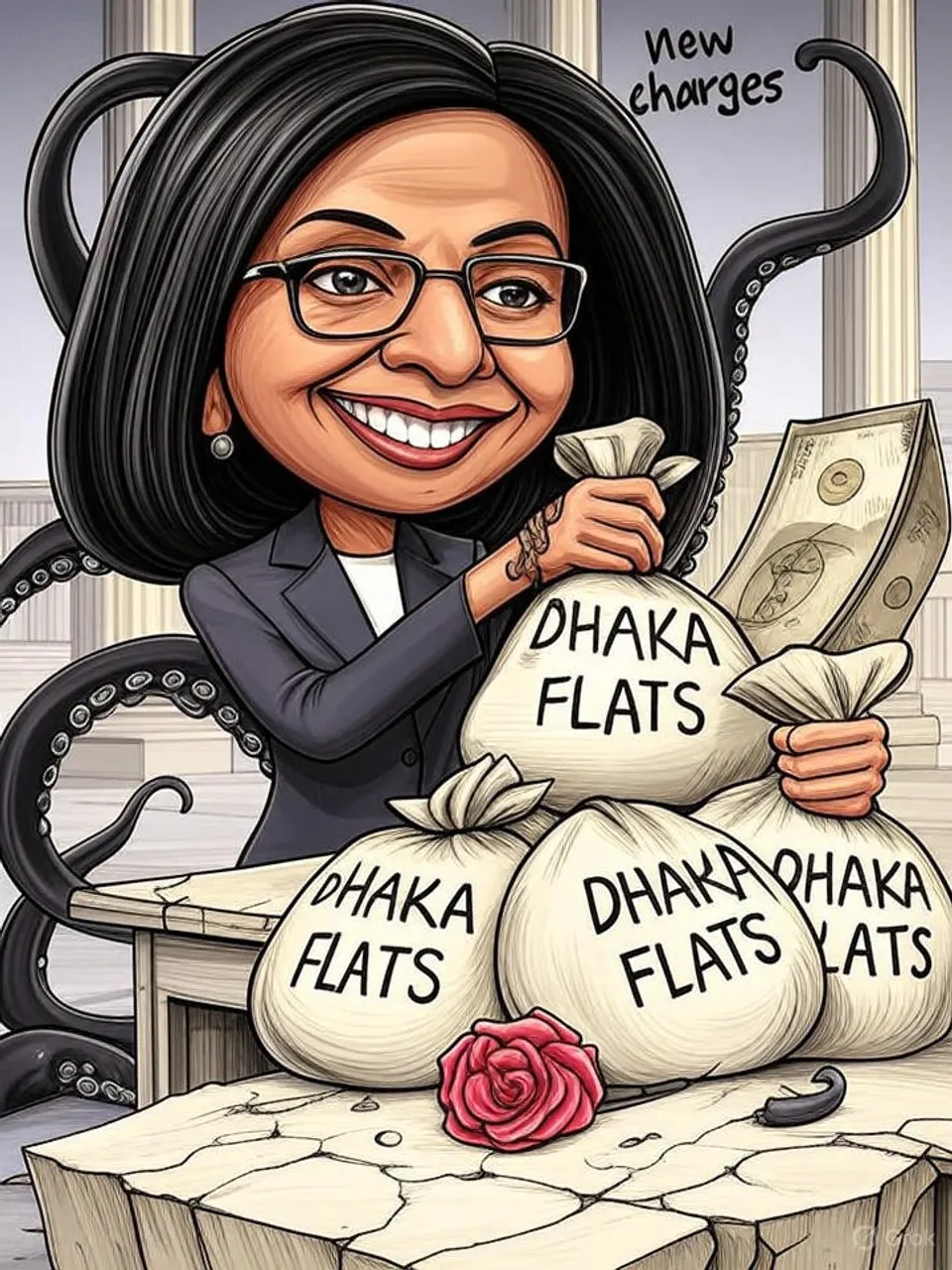
Tulip Siddiq accused anew as Shadow Economic Secretary
Bangladesh files fresh corruption charges against Labour MP Tulip Siddiq over a free flat gained via family influence. Her UK Treasury role persists without scrutiny, exposing failing political vetting standards. (142 chars)
Bangladesh corruption investigators target Tulip Siddiq with fresh charges over a free flat near Dhaka. The Labour MP, who serves as Shadow Economic Secretary to the Treasury, faces accusations of wielding family influence for illegal gain. Official denials clash with mounting legal actions against her and a state agency official.
The Anti-Corruption Commission alleges Siddiq benefited from an “illegal” allocation of prime property. This follows last month’s developments, where one co-accused escaped charges after delays. Prosecutors link the flat to pressure on her aunt, Sheikh Hasina, Bangladesh’s deposed prime minister now exiled in India.
Siddiq rejects all claims. She frames the proceedings as retaliation against Hasina’s family. No evidence has surfaced in UK courts to corroborate or refute these overseas allegations.
UK parliamentary standards demand disclosure of foreign interests. Siddiq registered her aunt’s connection years ago but holds a role overseeing economic policy. Her position persists amid the charges, with no immediate Labour suspension.
This case echoes prior scrutiny. In 2017, allegations surfaced of Siddiq aiding Hasina in evading justice over a murder conviction. Those claims, also denied, prompted no formal UK investigation.
British politics accommodates such entanglements. MPs with dual loyalties or family ties to authoritarian regimes rise unchecked. Labour’s frontbench includes figures whose overseas baggage invites exploitation.
Vetting failures span parties. Foreign donors fund campaigns; relatives of dictators gain safe seats. Institutional inertia prioritizes electoral utility over integrity.
Taxpayers fund ministers exposed to foreign leverage. Siddiq shapes fiscal opposition strategy while Bangladesh probes deepen. No mechanism forces resignation until conviction.
Parliamentary privilege shields debate, but public roles demand higher scrutiny. The Commons Standards Committee reviews interests annually, yet corruption abroad triggers no automatic review.
Historical norms decayed post-1997. Pre-MPs Act, MPs faced informal reputational checks. Now, scandals multiply without consequence.
Ordinary citizens bear the cost. Eroded trust in politics fuels disengagement; turnout fell to 59% in 2024. Leaders with unresolved foreign scandals normalize decline.
Ministerial Standards Unravel
Treasury shadows access sensitive briefings. Siddiq critiques government budgets while her Dhaka links unfold. Labour leadership stays silent.
Cross-party precedent exists. Conservatives faced donor scandals; Reform eyes foreign funding. All parties evade root reform.
The pattern reveals systemic rot. Appointments reward loyalty, not probity. Foreign corruption cases test no safeguards.
This exposes Britain’s political immune system failure. MPs entangled abroad hold power unchecked. Decline accelerates as integrity yields to expediency.
Siddiq’s charges confirm the new normal: overseas graft shadows UK frontbenches. Labour’s economic voice carries Bangladesh echoes. British governance settles for compromised custodianship.
Commentary based on More Charges Filed Against Tulip Siddiq in Bangladesh by Max Young on Guido Fawkes.