DNA finally convicts Bradford rapist 22 years after schoolgirl's ordeal
A 2004 rape arrest failed for lack of evidence despite preserved DNA swabs. Reopened 19 years later via police review, it reveals chronic gaps in forensic application and cross-party policing failures. Victims endure lifelong trauma amid institutional delays.
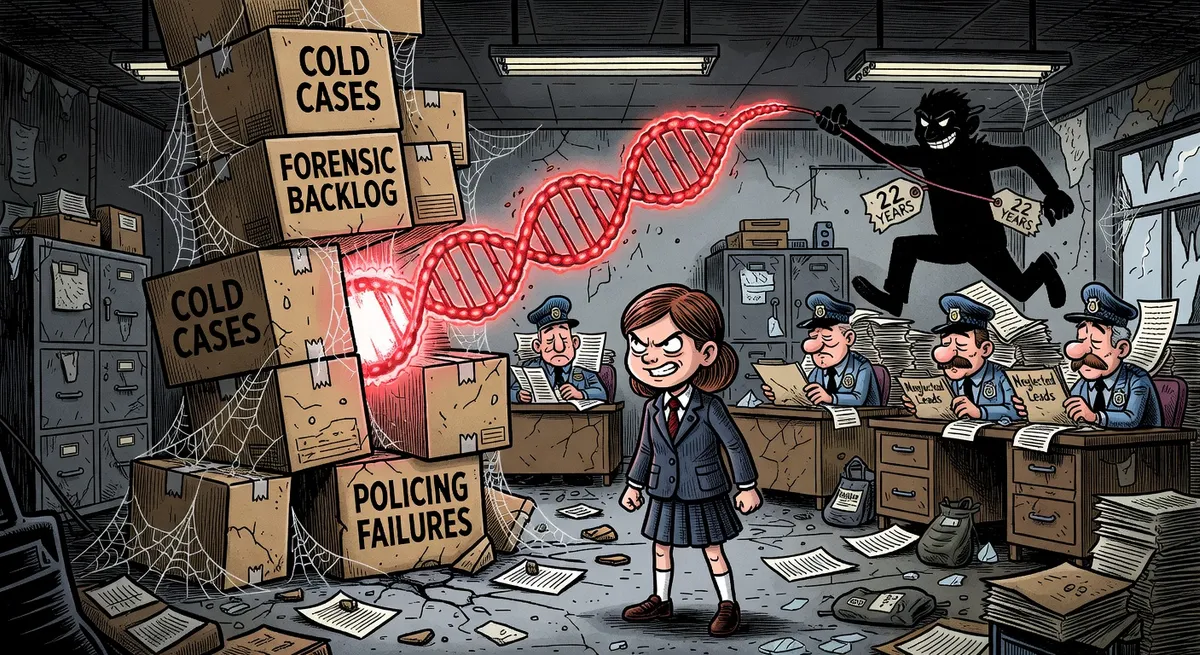
Swabs from 2004 match in 2023 review, exposing two decades of investigative shortfall
Abdul Qayum raped a 14-year-old Bradford schoolgirl in June 2004. He spotted her from a car, forced her inside, drove to his flat, drugged her with cannabis and alcohol, then assaulted her. Police arrested him after she escaped and called for help, but released him due to insufficient evidence.
Swabs from the victim preserved male DNA. Technology advanced, but no match emerged for 19 years. West Yorkshire Police reopened the case in 2023 as part of a review into non-recent sexual crimes.
A jury convicted Qayum despite his denials. Bradford Crown Court jailed him for 14 years and added him to the Sex Offenders Register for life. The victim, now in her thirties, described two decades of self-blame and stolen normalcy in her statement.
Initial evidence fell short in 2004. Arrest followed prompt victim report, yet prosecutors deemed it inadequate. This points to gaps in forensic matching or witness handling at the time.
Qayum remained free for 22 years. No record details his activities or further offenses in that period. The delay let trauma compound without accountability.
West Yorkshire Police credited “advances in forensic science.” Yet the swabs existed from day one. The review implies earlier cases suffered similar neglect, requiring bulk re-examination decades later.
Britain logs thousands of unsolved sexual assaults annually. Cold case reviews nationwide expose backlogs: Greater Manchester Police reviewed 45,000 files in 2023; others follow suit. DNA tech progressed since 2004, but application lagged.
Cross-party governments oversaw this span. Labour held power in 2004; Conservatives from 2010. None prioritized forensic infrastructure to prevent such delays.
Victim impact endures regardless. She called police immediately, yet served her own “sentence” for 22 years. Justice arrived via retrospective effort, not frontline competence.
Policing budgets rose post-2004: £14 billion in 2023 versus £10 billion in 2004, adjusted for inflation. Officer numbers recovered to 147,000 by 2024. Resources existed; outcomes did not.
Bradford reflects national patterns. Sexual offense conviction rates hover at 5-6 percent of reports. Delays amplify distrust: victims withdraw in one-third of cases.
This case demanded a major review to activate dormant evidence. Functional policing would match DNA routinely within years, not decades. Instead, perpetrators evade consequences while victims wait.
Institutions celebrate the conviction. Detective Sergeant Ord highlighted victim comfort. Yet 22 years free underscores investigative pathology, not triumph.
UK justice now relies on technological bailouts for past failures. Ordinary citizens face prolonged insecurity from unresolved crimes. Systemic inertia across governments ensures such gaps persist, eroding public safety one delayed verdict at a time.
Commentary based on Rapist caught by DNA more than 20 years after raping Bradford schoolgirl | ITV News at ITV News.
← Back to commentary