Drug Networks Recruit Girls for Transport and Assault While Probes Stall
Multiple victims describe police recording drug details from their accounts but dropping rape inquiries, a pattern repeated from 2002 to recent years despite social services alerts and official reviews.
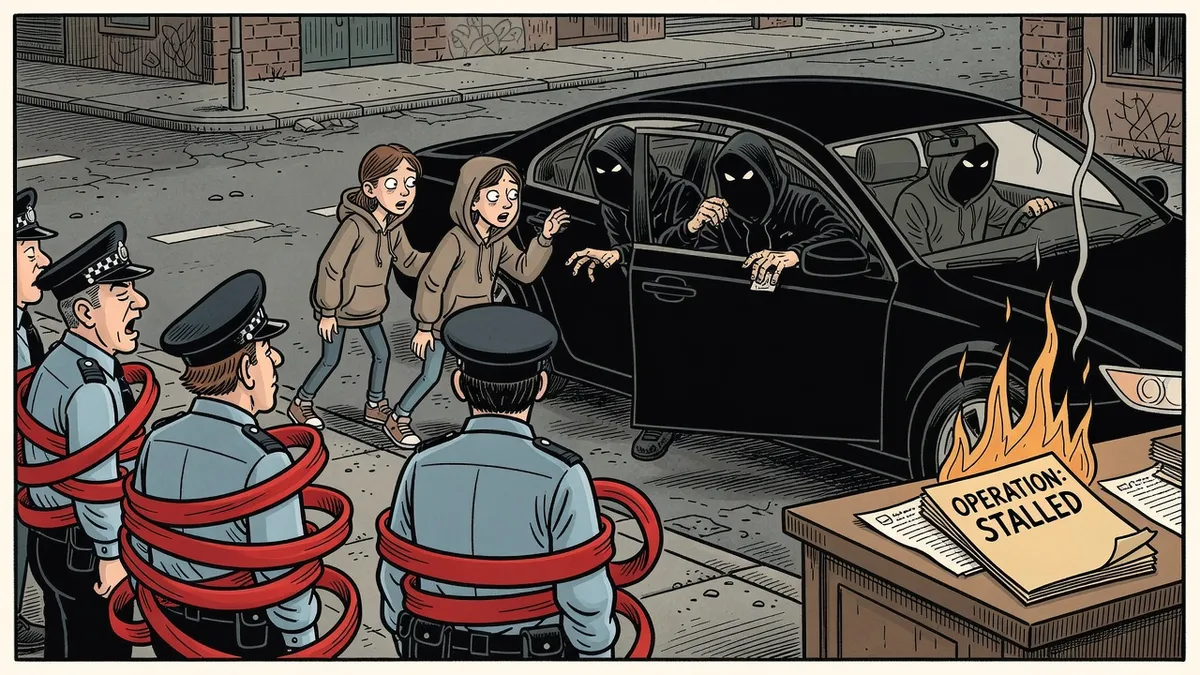
Police showed limited interest in the sexual abuse reported by teenage girls recruited into drug gangs. Multiple victims described investigators shifting focus to drug offences once those details emerged, with one told officers had “bigger fish to fry.”
The pattern spans from 2002 to cases as recent as last year. Four women waived anonymity for the BBC account, each describing initial grooming through attention or perceived relationships that escalated into repeated rape and forced drug distribution. Authorities received alerts from social services in some instances yet treated the girls primarily as sources of intelligence on dealing networks.
A 2012 Children’s Commission inquiry identified similar risks affecting an estimated 16,500 children and flagged the difficulty senior officials had accepting the scale. Language in that report drew internal criticism as “hysterical,” and subsequent government responses emphasised grooming gangs over the distinct mechanics of drug-related exploitation. Front-line workers noted that gangs use girls both to move product with lower suspicion and for sexual access, yet this dual function received no dedicated enforcement priority.
Repeated Institutional Response
Social workers and researchers documented the same sequence across regions and years. Victims approached police with accounts of coercion and assault. Detectives recorded statements on drug activity while rape investigations stalled or closed without charges. The women report feeling their disclosures about abuse were secondary to operational targets on dealers.
A recent government audit of group-based child sexual exploitation confirmed authorities continue to overlook these victims. An independent inquiry now planned will address drug gangs specifically, though earlier warnings produced no structural change in how cases are triaged.
Protection Gaps
National Crime Agency assessments note gangs deliberately select girls because they attract less police attention during transport. This operational advantage persists because enforcement remains oriented toward seizure volumes rather than the sustained coercion of minors. The result leaves the same recruitment and abuse cycle intact across different police forces and successive administrations.
The four accounts show consistent outcomes. Allegations of prolonged sexual violence were recorded but not pursued once drug links appeared. Victims who continued reporting received no sustained protection, and the gangs retained operational capacity.
This record shows child protection systems treating sexual exploitation by drug networks as incidental rather than central to enforcement decisions. The pattern holds across two decades regardless of changes in leadership or reported priorities.
Commentary based on Drug gangs exploited and raped us as teens, then police failed us, women tell BBC at BBC News.
← Back to commentary