Duty Calls, But Not to Standards: Met Officer Breaks Rules Mid-Inquiry
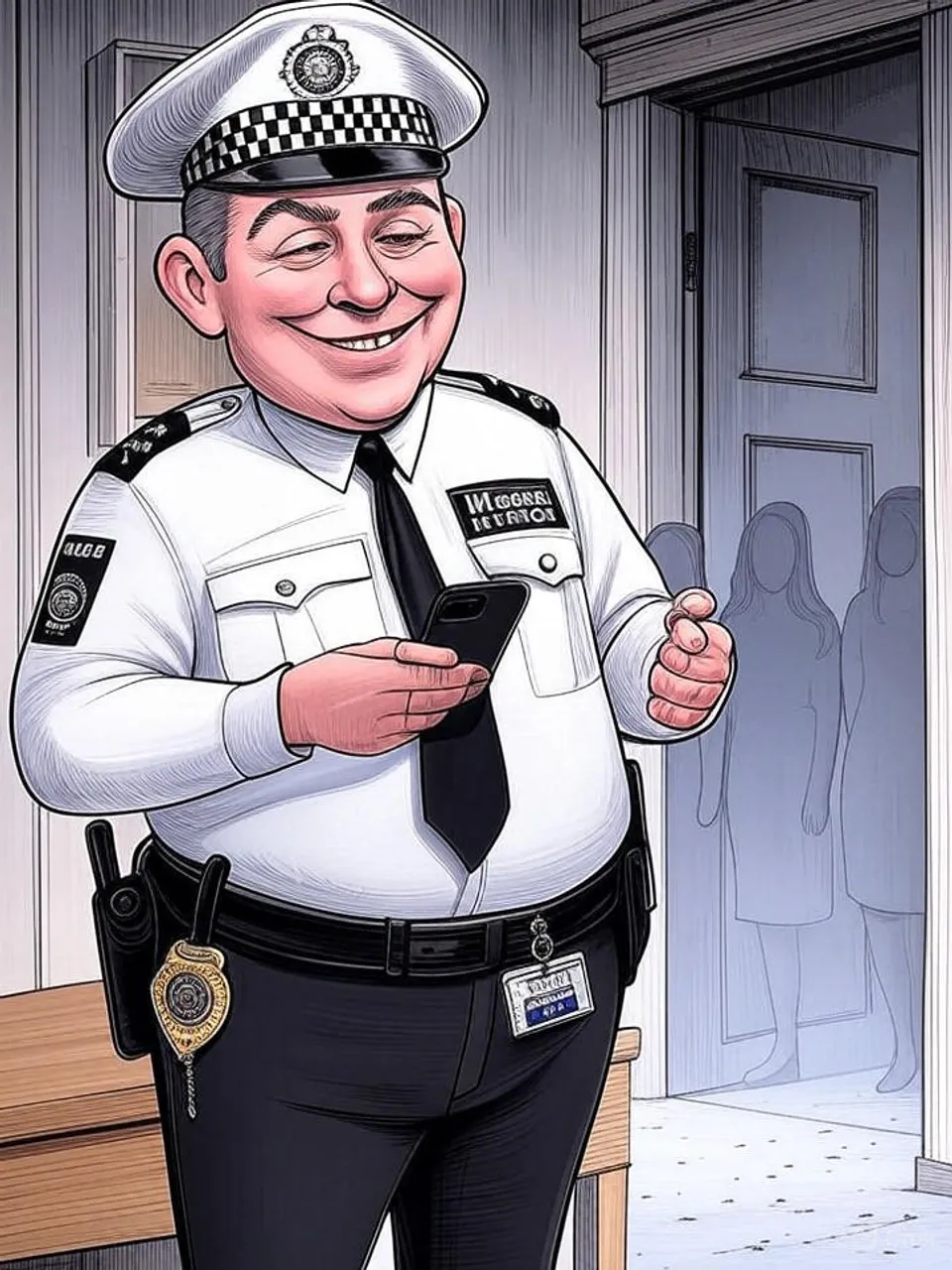
Imran Patel's alleged on-shift misconduct undercuts the force's misogyny reforms
A former Met constable allegedly solicited sex workers during a key cultural review, exposing persistent institutional misogyny and accountability failures that span governments and erode public trust in policing.
Commentary Based On
The Guardian
Former Met police officer accused of using sex workers while on duty
A constable’s shift in May 2022 exposed the Met Police’s reform rhetoric as hollow. Imran Patel allegedly accessed sex workers and adult sites while on duty, even as Louise Casey’s inquiry probed the force’s institutional misogyny. This overlap reveals enforcement gaps that allow misconduct to flourish unchecked.
Patel resigned in July 2023 after nine months of reported issues. The Independent Office for Police Conduct investigated him for fraud, position abuse, and theft—taking a driving licence and cash from a public member in 2021, plus keeping a stab vest at home without justification. No criminal charges followed, despite the referral from the Met’s anti-corruption unit.
Casey’s March 2023 report branded the Met “institutionally misogynistic,” citing Sarah Everard’s 2021 murder by officer Wayne Couzens as a catalyst. One-third of surveyed female officers reported sexism; 12% faced harassment or assault. New female recruits quit at four times the rate of others, signaling retention failures amid flexible work promises.
Earlier probes amplified the pattern. The IOPC’s Charing Cross station review uncovered officers joking about rape and sex workers. BBC Panorama’s recent undercover work caught a sergeant sharing explicit details, overriding female colleagues’ discomfort.
These incidents span governments. Couzens served under Boris Johnson’s Home Secretary Priti Patel; Casey’s inquiry came via Sadiq Khan’s mayoralty under Keir Starmer’s Labour leadership. Yet cultural rot persists, with inquiries yielding reports but no lasting structural shifts.
Resignation shields Patel from immediate force discipline, though a January misconduct hearing looms. The IOPC’s January 2024 decision to drop theft prosecution underscores accountability voids. Officers exit without prosecution, leaving public trust eroded and victims’ cases unresolved.
Broader data quantifies the toll. Knife crime and violence strain policing, but internal scandals divert resources—262 homicides last year amid supposed progress. Female officers’ exodus weakens frontline capacity, as the Met’s 34,000 personnel grapple with 8.5 million Londoners.
This case mirrors systemic inertia. Governments pledge oversight post-scandals, yet behavioural standards crumble during investigations. The Met’s “toxic” culture, documented since 1999’s Macpherson report on institutional racism, now layers misogyny atop racial bias.
Citizens bear the cost. Everard’s fake arrest by warrant card highlights how power imbalances enable abuse. Ordinary Londoners face delayed justice as internal probes consume budgets—£22 million spent on Casey’s work alone, with little measurable change.
Policing’s decline feeds national patterns. Trust in institutions hits lows: only 55% of Britons view police positively, per 2023 polls, down from 80% in 2010. Cross-party neglect lets misconduct recur, from Conservative austerity cuts to Labour’s vague reform vows.
Patel’s actions during the Casey probe exemplify how inquiries expose rather than eradicate problems. The Met’s failures compound social fractures, where women navigate streets policed by the untrustworthy. Britain’s institutional decay shows no reversal; scandals like this one merely document the ongoing erosion.
Commentary based on Former Met police officer accused of using sex workers while on duty by Geraldine McKelvie on The Guardian.