Eighty-six protesters stormed Wormwood Scrubs grounds to back an RAF aircraft saboteur
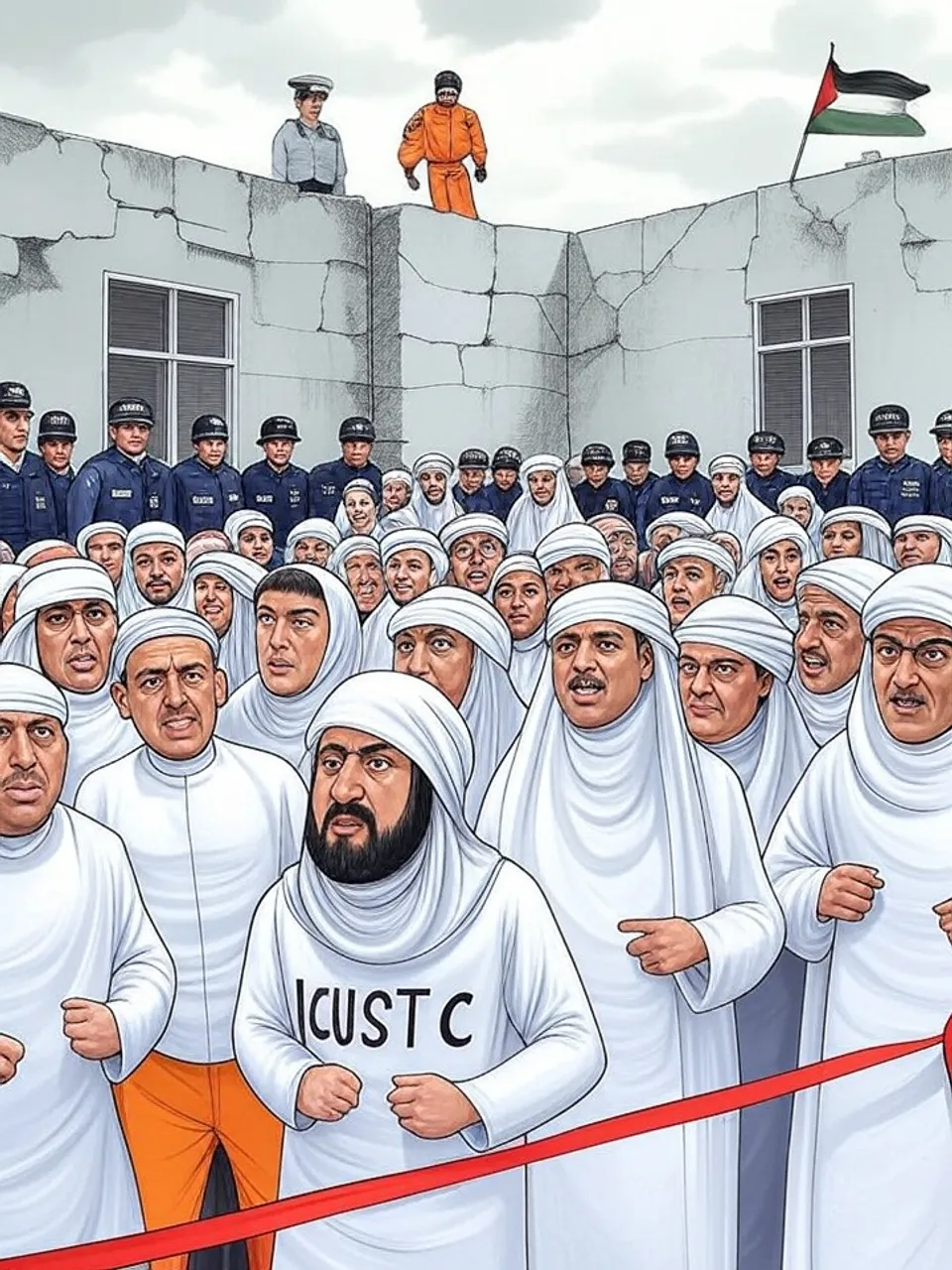
Trespass backs thirst striker amid prison staff threats and national security lapses
Protesters breached Wormwood Scrubs to support an accused RAF saboteur, arresting 86 but exposing prison vulnerabilities and diverted police amid surging urban crime. Patterns of tolerated disruption deepen institutional decline.
Commentary Based On
Sky News
86 arrests after protesters breach Wormwood Scrubs prison grounds holding Palestine Action-linked activist
The Metropolitan Police arrested them for aggravated trespass after they blocked staff access, threatened officers, and entered a staff entrance. Security held; no full breach occurred. Yet the intrusion exposed perimeter weaknesses at a Category B prison holding violent offenders.
Umer Khalid, the hunger striker they championed, faces charges for infiltrating RAF Brize Norton last July with four others. They damaged two Voyager aircraft, vital for military transport. Khalid denies involvement and escalated to a thirst strike.
Ministry of Justice condemns the escalation but affirms standard protocols: medical checks, monitoring, and refeeding support. Prison staff faced direct threats, underscoring risks to frontline workers already strained by overcrowding.
This follows repeated activist incursions on critical sites. Palestine Action targets defence infrastructure; Extinction Rebellion disrupts transport and events. Each draws police deployments that divert from routine crime.
London records 16.7 million pounds monthly retail theft losses. Rail theft arrests skew heavily foreign nationals. Protests consume Met resources while burglary taunts Home Office inaction.
Aggravated trespass carries up to three months jail, often downgraded or cautioned. Outcomes erode deterrence. Protesters calculate low risks against media gains.
Prison Vulnerabilities Mount
Wormwood Scrubs, built 1875, grapples with Victorian fabric amid national capacity crisis. Taxpayers fund 104 million pounds for unusable Dartmoor over radon hazards. Breaches compound staff morale erosion.
Governments rotate: Conservatives expanded prisons half-built; Labour centralises police without frontline boosts. Results stay static: strikes persist, intrusions recur.
Activist networks frame Khalid’s defiance as moral. Courts delay trials; prisons absorb protests. Victims of Voyager sabotage—tax funded repairs—receive no equivalent solidarity.
Systemic Tolerances
UK law balances protest rights with order, yet thresholds slip. Twelve-year-old rapists route to welfare panels in Scotland; non-crime hate logs bloat police files. Enforcement selectivity signals priorities.
Metropolitan Police logged 133,000 non-crime incidents since 2014, now eyeing cuts. Protest policing demands mass arrests, overtime, processing—costs unquantified but mounting.
Ordinary citizens queue longer for services as officers manage chants and placards. Defence assets vandalised; prisons picketed. The sequence reveals institutional fatigue.
Leadership statements decry threats but promise “consequences.” Patterns contradict: serial burglars evade deportation via asylum claims; hunger strikes force interventions. Accountability dissolves into procedure.
Britain’s prisons repel breaches in name only. This episode catalogues defence sabotage shielded by protest theatre, policing stretched thin, and governance inert to recurrence. Decline embeds when violations predictably follow violations.
Commentary based on 86 arrests after protesters breach Wormwood Scrubs prison grounds holding Palestine Action-linked activist at Sky News.