Fly-Tippers Claim Oxfordshire Floodplain as Their Dump
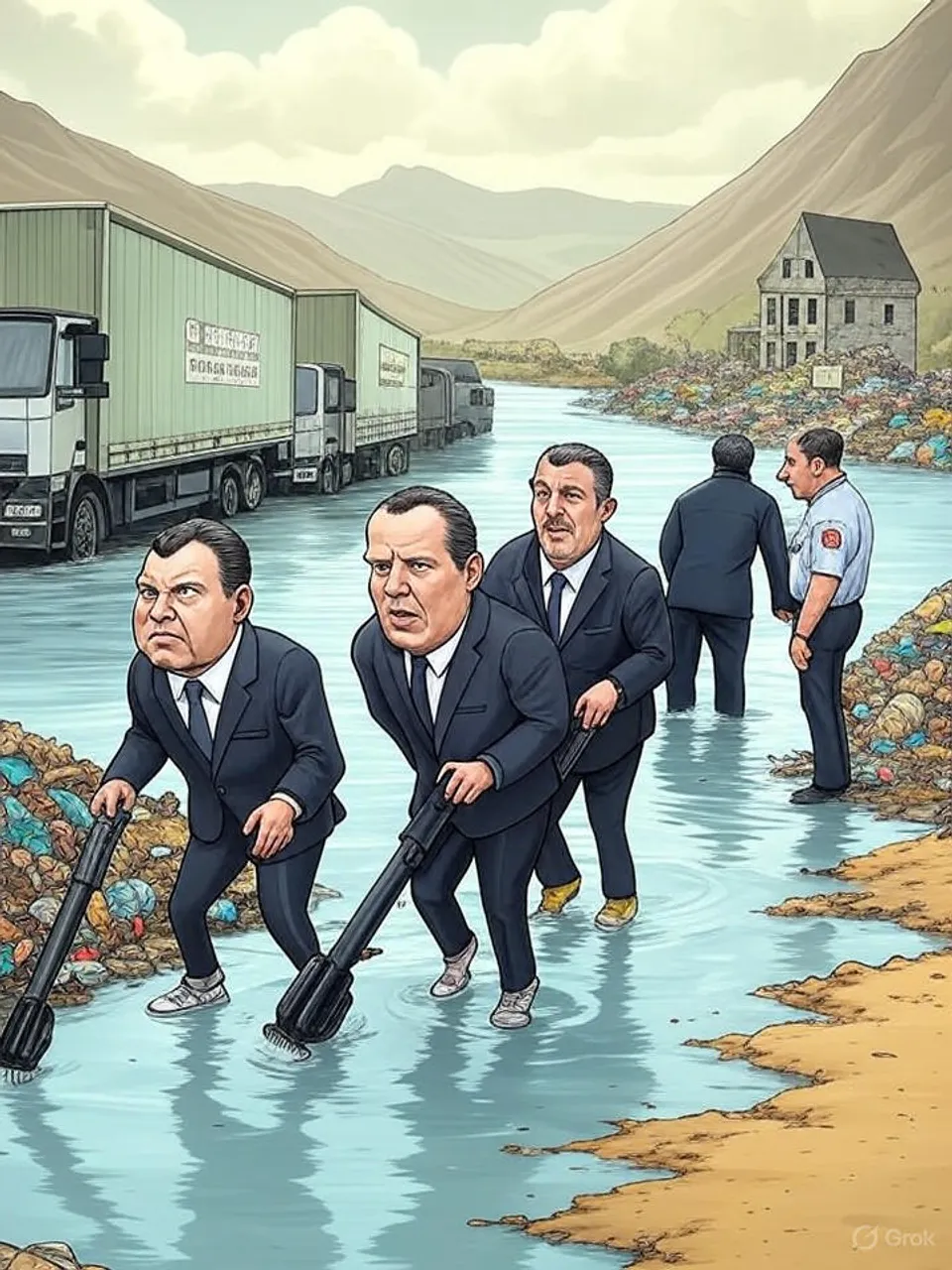
Hundreds of tonnes tower over the River Cherwell, cleanup costs top council budget
An illegal waste mountain in Oxfordshire highlights Environment Agency resource shortages and organized crime's grip on rural sites, burdening local budgets and ecosystems amid national enforcement failures.
Hundreds of tonnes of illegal waste now tower 10 metres high in a field beside the River Cherwell near Kidlington, Oxfordshire. Local MP Calum Miller states that cleanup costs exceed the Cherwell District Council’s entire annual budget of £18.5 million. This single incident exposes how enforcement agencies watch environmental crimes escalate without sufficient intervention.
The dump appeared about a month ago, according to Friends of the Thames, a riverside conservation charity. Organized crime groups likely transported the rubbish, stacking it without barriers on a floodplain vulnerable to flooding. No mitigation measures prevent toxic leachate from seeping into the soil or river.
Local witnesses spotted the pile in September. Angler Billy Burnell described it as “horrific,” warning of imminent pollution to the Cherwell, a key waterway feeding the Thames. Geography researcher Anya Gleizer at Oxford University called it an “environmental and health emergency,” threatening downstream communities and ecosystems.
Miller raised the issue in Parliament, highlighting the Environment Agency’s resource constraints. The agency confirmed specialist officers are investigating to identify perpetrators and pursue action. Yet, their response so far limits to a court order barring public access for six months.
This order secures the site but does little for removal. The agency lacks funds and personnel for immediate cleanup, leaving the waste exposed. Taxpayers face the bill through council taxes or national levies, while criminals operate unchecked.
A Lords environment and climate change committee report from last month quantifies the scale. Organized crime dumps millions of tonnes of waste annually across UK countryside. The report pins part of the crisis on Environment Agency incompetence, citing delayed responses and inadequate monitoring.
Philip Duffy, the agency’s chief executive, rejected the accusation. He defended staff efforts amid budget cuts that have shrunk the agency’s workforce by 20% since 2010. Enforcement prosecutions fell from 1,200 in 2014 to under 400 last year, per government data.
Councils bear the brunt of these failures. Cherwell District Council, serving 160,000 residents, allocates just 2% of its budget to environmental services. Fly-tipping incidents nationwide rose 20% to 1.1 million in 2023, overwhelming local authorities already strained by austerity.
Historical patterns show persistence. In 2018, a similar dump in Essex contaminated groundwater, costing £2 million to remediate—far above local projections. Governments of all stripes have underfunded the Environment Agency since its 1995 creation, with real-terms budgets halving by 2020.
Organized crime exploits these gaps. Groups charge businesses £50 per tonne to dispose legally but dump illegally for profit, evading fines averaging £300. The National Crime Agency estimates waste crime generates £1 billion yearly, rivaling drug trafficking in scale.
Communities downstream absorb the risks. Toxic runoff could introduce heavy metals and chemicals into the Cherwell, harming fish stocks and drinking water sources. Gleizer notes direct threats to families, including children playing near rivers, with health impacts like respiratory issues from airborne particulates.
Economic fallout compounds the damage. Cleanup diverts council funds from roads, schools, and social care. Nationally, fly-tipping costs £1 billion annually in removals and lost land value, per Defra estimates, eroding rural economies dependent on agriculture and tourism.
Enforcement relies on reactive measures, not prevention. The agency issues 500 abatement notices yearly but clears only 10% of sites within months. Without dedicated task forces or harsher penalties—maximum fines sit at £50,000, often reduced—dumps multiply.
This Oxfordshire case mirrors dozens nationwide. In 2024 alone, 15 major illegal landfills surfaced in the South East, per Environment Agency logs. Cross-party neglect sustains the cycle: Labour’s 1997-2010 expansions promised robust regulation but delivered understaffed oversight; Conservative cuts post-2010 accelerated decline.
Institutions prioritize containment over eradication. The six-month closure buys time but ignores root causes like illegal waste brokers operating via apps and social media. Citizens report 70% of incidents unresolved, per a 2023 YouGov poll, fostering distrust in public bodies.
The pattern underscores deeper institutional pathology. Agencies like the Environment Agency operate with mandates but without means, as budgets shrink amid rising demands. Politicians pledge green recoveries—Net Zero by 2050 chief among them—yet allocate just 0.5% of GDP to environmental protection, below EU averages.
Ordinary residents pay twice: through polluted environments and inflated taxes. Farmers lose arable land; anglers see fish die-offs; families avoid rivers once central to leisure. This incident reveals how environmental guardianship has eroded, turning safeguards into spectators.
Britain’s decline manifests in these visible ruins. A nation once pioneering conservation now tolerates crime syndicates reshaping its landscapes. Without structural reform—bolstered funding, unified enforcement, and accountability for agency heads—such catastrophes will stack higher, poisoning the ground for generations.
Commentary based on Fly-tippers dump ‘mountain’ of waste in Oxfordshire field by Sammy Gecsoyler on The Guardian.