Former Reform Leader's Moscow Payoffs End in Prison
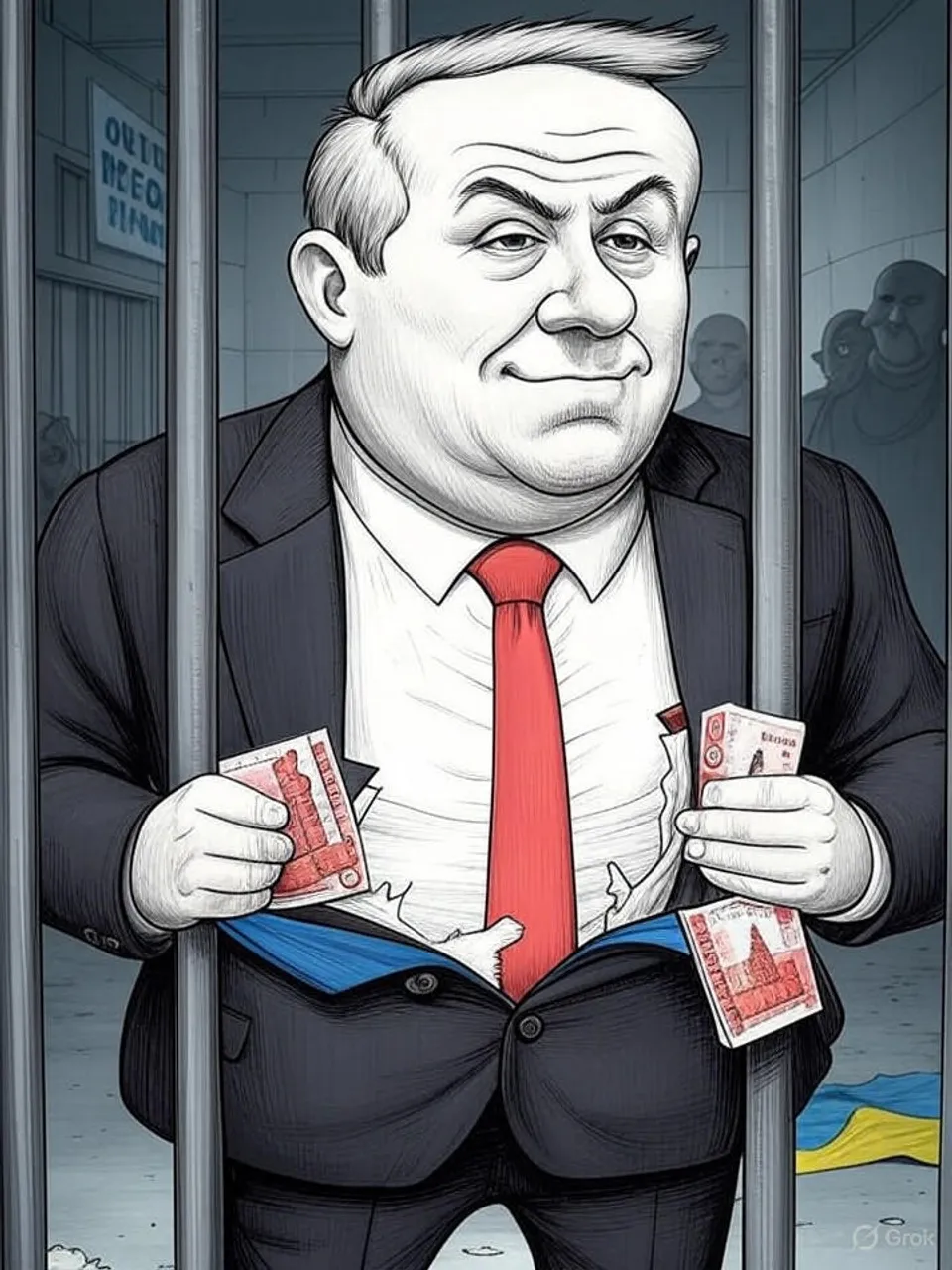
Nathan Gill's 10.5-year sentence for £40,000 bribes exposes unchecked foreign influence in UK politics
Nathan Gill's conviction for pro-Russian bribery reveals deep flaws in political vetting and accountability, allowing foreign meddling to infiltrate from UKIP to Reform UK. This first Bribery Act jailing underscores persistent national security gaps across parties.
Commentary Based On
BBC News
Former Reform in Wales leader Nathan Gill jailed for pro-Russian bribery
Nathan Gill, once a prominent figure in UK populist politics, received a 10.5-year prison sentence for accepting up to £40,000 in bribes to promote pro-Russian agendas. He positioned himself as a defender of British sovereignty through UKIP and the Brexit Party, yet court records show he traded his influence for cash from Kremlin-linked operatives. This betrayal highlights a direct assault on democratic integrity from within.
Gill served as a Member of the European Parliament from 2014 to 2020, first with UKIP and later the Brexit Party, which evolved into Reform UK. In 2018, the same year he left UKIP, he began his dealings with Oleg Voloshyn, a Ukrainian operative tied to Russian intelligence. Voloshyn, acting for Viktor Medvedchuk—a close Putin associate—funneled money for Gill to deliver supportive TV interviews and speeches.
The bribes funded specific actions. Gill appeared on 112 Ukraine, a channel facing Ukrainian closure for pro-Russian bias, and defended it in European Parliament speeches. He also hosted Medvedchuk in Strasbourg to pitch a “peace plan” for Donbas, an event Putin praised the next day on state television.
Police uncovered the scheme through WhatsApp messages and seized €5,000 and $5,000 in cash from Gill’s home. Voloshyn provided scripts and talking points, using coded language like “Xmas gifts” for payments. Gill recruited other MEPs, including from the UK, Germany, and France, though no evidence shows they knew of his financial incentives.
First Conviction Under Bribery Act
This marks the first jailing of a UK politician under the 2010 Bribery Act, enacted to curb corruption after scandals like the 2006 BAE Systems arms deals. Gill pleaded guilty to eight counts, admitting he abused his position as an MEP. Judge Cheema-Grubb emphasized how his actions eroded public confidence in democratic institutions.
Investigations continue. The Metropolitan Police, tipped off by FBI intelligence from Voloshyn’s phone, probe potential accomplices. Commander Dominic Murphy described Gill as an “extraordinarily willing participant” in activities mirroring Russian interference patterns, from the 2018 Salisbury poisonings to a 2024 London arson.
Gill’s career spanned parties without apparent vetting lapses. He represented North Wales in the Welsh Parliament from 2016 to 2017, then led Reform UK in Wales into the 2021 Senedd election. No criminal links emerged from his Welsh role, but his post-Brexit Party bribes persisted unchecked.
Reform UK condemned the acts as “treasonous,” while Prime Minister Keir Starmer urged Nigel Farage to scrutinize party ties to Russia. Farage distanced himself, claiming no prior knowledge. Yet the episode exposes how fringe parties, like their mainstream counterparts, harbor individuals vulnerable to foreign influence.
Patterns of Foreign Meddling
Russia’s tactics here align with documented efforts to sway European politics. Medvedchuk, arrested in 2022 and later exchanged in a prisoner swap, controlled channels like 112 Ukraine to spread propaganda. Gill’s involvement amplified these narratives during Ukraine’s 2018-2019 tensions, when the channels faced bans.
UK safeguards failed at multiple levels. Gill attempted to flee to Russia in 2021, stopped only at Manchester Airport under counter-terrorism powers. His phone yielded direct evidence, but earlier detection might have prevented years of influence peddling.
This case reveals systemic gaps in political accountability. Elected officials face minimal ongoing scrutiny for foreign contacts, a flaw persisting across governments since the 2010 Act’s passage. Parties prioritize electoral gains over rigorous background checks, allowing opportunists to infiltrate.
Broader national security risks compound. Gill’s recruitment of fellow MEPs spread pro-Russian talking points without disclosure. While no payments to others were proven, the network’s reach underscores how individual corruption scales to institutional threats.
The conviction sends a message, as police assert, but enforcement remains reactive. Tip-offs from allies like the FBI drove the probe, not domestic monitoring. This reliance highlights underfunded intelligence priorities amid budget cuts since 2010.
UK politics operates in an era of eroded trust, where foreign actors exploit personal ambitions. Gill’s fall from Brexit champion to convicted briber exemplifies how sovereignty rhetoric masks vulnerability. Ordinary citizens bear the cost: weakened democracy invites more interference, deepening the nation’s isolation on the global stage.
Commentary based on Former Reform in Wales leader Nathan Gill jailed for pro-Russian bribery at BBC News.