Forty-Three Police Forces Line Up for Central Scrutiny
Labour revives targets and mergers ditched by Conservatives amid chiefs' warnings
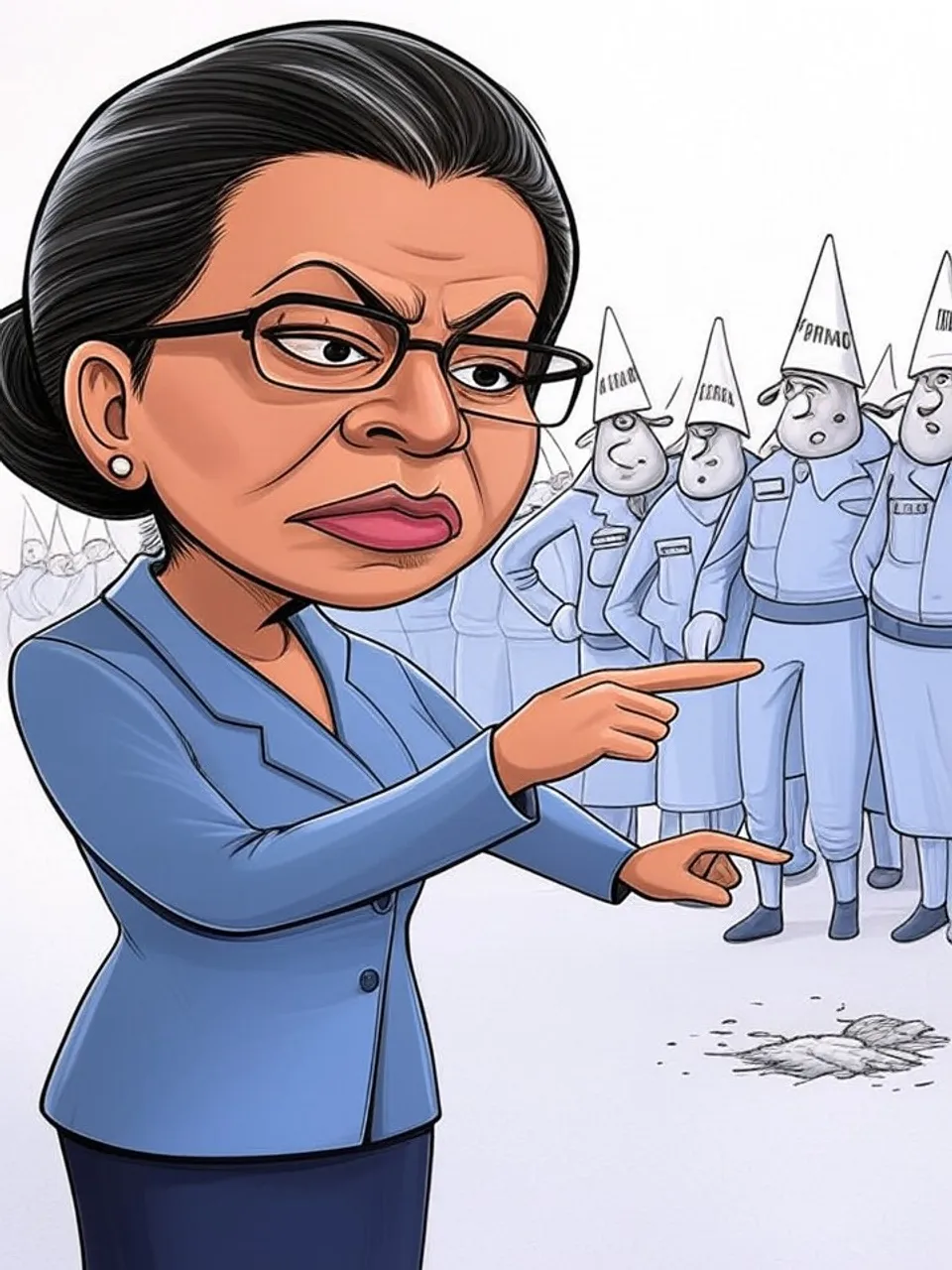
Home Secretary Shabana Mahmood centralises control over 43 failing police forces with targets and mergers, repeating structural fixes that ignore past failures and perverse incentives. Outcomes remain unchanged across governments.
Commentary Based On
the Guardian
Poorly performing police forces to be named and shamed under new plans
Home Secretary Shabana Mahmood plans to slash England’s and Wales’s 43 local police forces, impose national targets on response times and victim satisfaction, and publish league-table results on a public dashboard.
Police chiefs call this a power grab by national politicians. One warns of perverse incentives, where forces chase rankings over actual service. Another notes forces can hit targets and miss the point.
Labour frames the overhaul as the biggest policing reform in two centuries. The white paper, “From local to national,” abolishes elected police and crime commissioners by 2028 and grants the Home Office direct intervention powers, including ousting failing chief constables.
National targets last appeared under Tony Blair’s government. The Conservative-led coalition scrapped them in 2011 after evidence showed distorted priorities. Devolution to local PCCs followed, yet performance lagged enough to prompt today’s reversal.
Chiefs now seek fewer forces, eyeing 12 to 15 through mergers. A commission will review options, but implementation faces local resistance—Devon and Cornwall’s PCC survey shows 66% oppose change. Smaller forces often clear up more crime than larger ones.
The package costs £500 million over three years. Proponents promise recouped savings, but chiefs describe merger details as kicked into the long grass.
Perverse Incentives Resurface
Targets drove gaming in the 2000s—officers logged fictitious crimes or ignored burglaries to boost stats. Reviving them ignores that history. Forces ranked publicly will prioritize measurable outputs, sidelining undetected offences.
Victim satisfaction metrics sound victim-focused. In practice, they reward quick closure over thorough investigation. Public trust surveys compound the distortion, as forces polish PR amid falling clear-up rates.
Structural Fixes Fail Repeatedly
Policing structures flip across governments without lifting outcomes. Blair centralised with targets. Cameron devolved via PCCs. Labour now recentralises.
Crime data underscores the stasis. Burglary solve rates hover below 5% nationally. Violence against women surges, with prosecutions up sixfold but convictions opaque.
Accountability Illusion Persists
Mahmood insists central government, elected by parliament, ensures accountability. Local systems proved ineffective, she says. Yet chief constables retain operational control, and Home Office teams merely advise under the new powers.
No mechanism punishes systemic failures. Chiefs rotate roles; ministers shift portfolios. Taxpayers fund £500 million for reorganisation amid 133,000 non-crime hate incidents clogging records since 2014.
Mergers promise efficiency. History disputes it—larger forces correlate with poorer performance in recent data. Cultural clashes, like Cornish aversion to Devon, delay execution.
This cycle exposes policing’s institutional pathology. Governments tinker with oversight and scale, chasing the myth of perfect structure. Outcomes stagnate as burglars evade capture, victims distrust forces, and ordinary citizens lock doors tighter.
Britain’s policing declines through futile reorganisations that evade root rot: lax deterrence, resource misallocation, and unpunished incompetence. Central command returns, targets blink on dashboards, but streets stay unsafe. The pattern endures across parties.
Commentary based on Poorly performing police forces to be named and shamed under new plans by Vikram Dodd on the Guardian.