Fourteen Strikes Rack Up 50 Lost Days
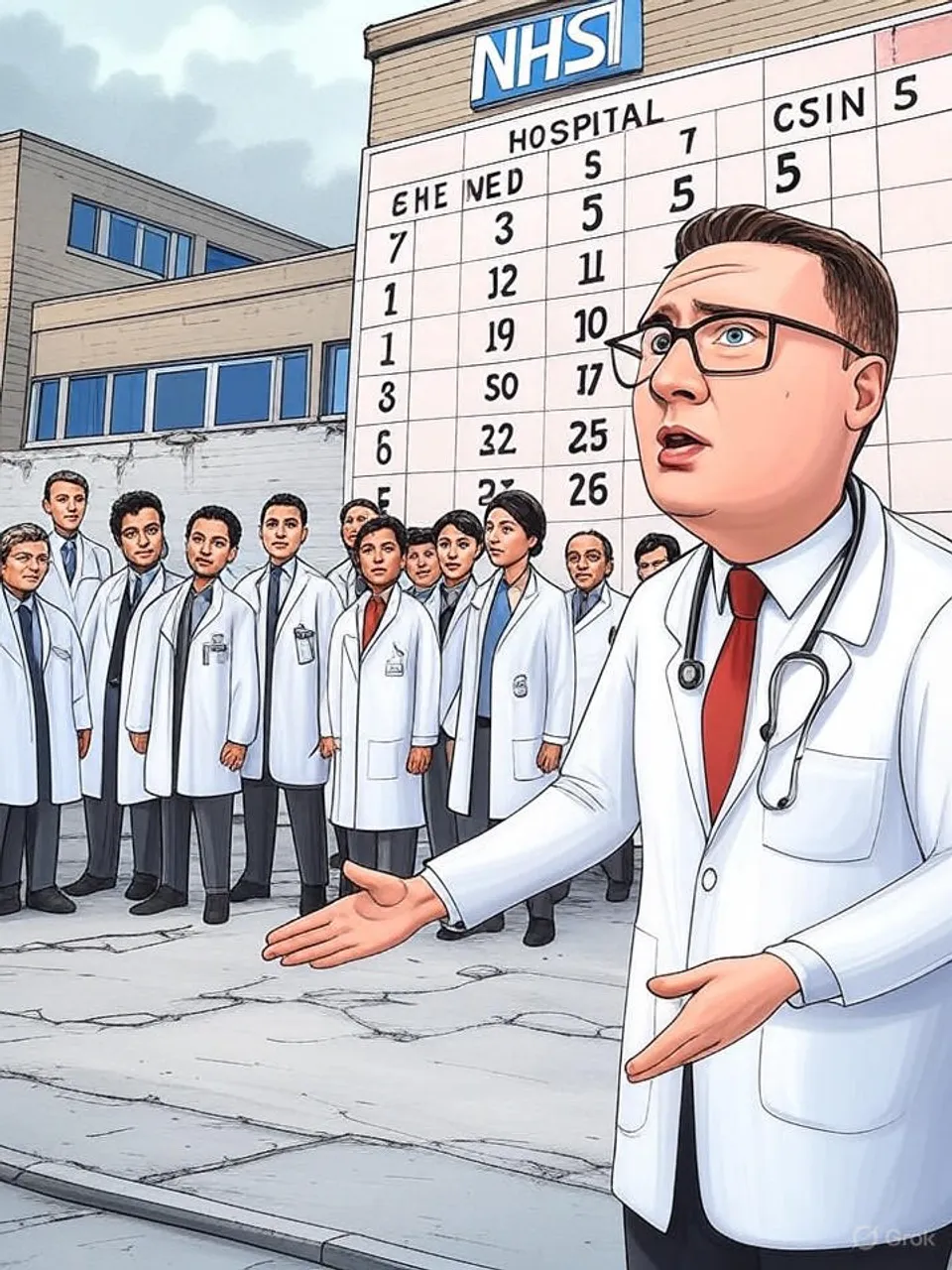
Resident doctors reject training posts amid pay deadlock
England's resident doctors—half of NHS medics—strike for the 14th time since 2023, rejecting offers short on pay. Cumulative disruptions exceed 50 days, worsening flu-season pressures and exposing cross-party failure to retain staff. (157 chars)
Resident doctors—half of all NHS doctors in England—launched their 14th strike since March 2023. This five-day action disrupts care amid record flu hospitalisations. Government offers more training spots but no pay rise for the current year.
The British Medical Association represents 55,000 resident doctors. A survey saw 35,107 vote, with 83% rejecting the deal on 65% turnout. Doctors demand multi-year pay restoration and new jobs, not recycled posts.
Talks collapsed Tuesday between BMA chair Jack Fletcher and Health Secretary Wes Streeting. Ministers call the effort constructive yet fruitless. Strikes now run until Monday 7am.
NHS leaders flag heightened risks. National medical director Meghana Pandit notes staff will cover but miss Christmas breaks. More patients face disruption than in prior actions.
Cumulative Disruption Mounts
Since March 2023, these 14 strikes total over 50 full days lost. Junior doctor actions alone accounted for 100,000 cancelled appointments last year. Flu peaks amplify this round’s toll on emergency and routine care.
Pay sits at the core. Real-terms cuts since 2008 eroded salaries by 26%, per BMA data. Governments across parties froze or capped rises while inflation surged.
Cross-Party Stalemate Persists
Conservatives faced 11 strikes before July’s election, promising resolution. Labour inherited the dispute, offering training expansion instead of cash. Neither side breaks the deadlock.
Retention bleeds the system. One in four resident doctors plan to quit within two years, citing pay and burnout. Vacancies hit 11,000 for doctors overall.
Workforce shortages trace to training bottlenecks. The government pledges 7,500 extra places yearly, yet delivery lags. Strikes deter applicants, locking in the cycle.
Patient Burden Grows
NHS waiting lists exceed 7.6 million. Strikes add delays, with non-urgent cases deferred. Frontline staff cover, but exhaustion compounds error risks.
Public trust erodes. Polls show 60% view NHS performance as poor, down from pre-pandemic levels. Repeated industrial action underscores governance failure.
Institutional incentives misalign. Ministers prioritise fiscal restraint over settlement costs, estimated at £1 billion annually for full pay restoration. Unions hold leverage through disruption.
Doctors frame it as a “jobs crisis.” Fletcher demands a “clear route” to pay uplift. Without it, strikes continue into 2026.
This impasse reveals deeper NHS pathology. Governments rotate, yet pay disputes recur because no administration confronts the £50 billion annual staffing bill. Strikes now define winter operations, rationing care for ordinary citizens and signalling workforce collapse at scale.
Commentary based on Resident doctors in England begin five days of strike action by Matthew Pearce on the Guardian.