GLP-1 Prescriptions Reach England's Youngest Obesity Patients
NHS data records 341 GLP-1 prescriptions for under-18s in England over four months, including 15 to children under 12, against rising obesity rates and calls for monitoring amid limited long-term safety evidence.
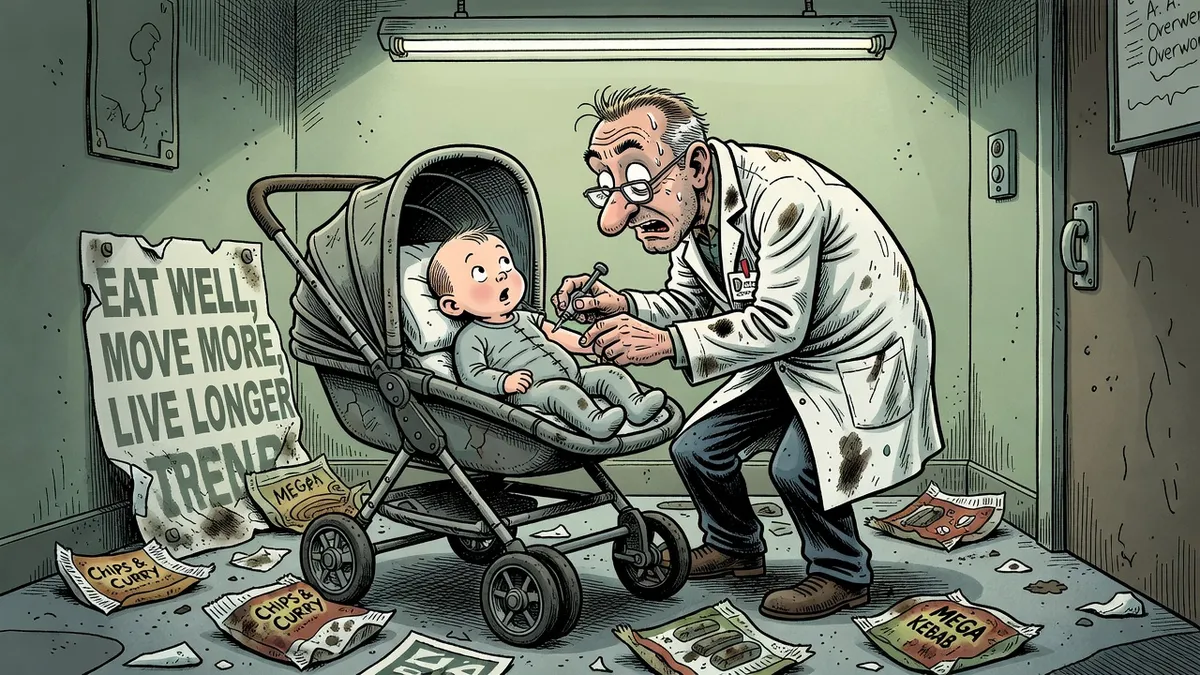
England issued 341 GLP-1 prescriptions to children under 18 between April and July, with 15 going to those under 12. Official data from the NHS Business Services Authority records these community dispensings, yet excludes private clinics, hospitals and prisons, confirming the true total runs higher. One specialist clinic alone reports over 200 young patients on the drugs.
Childhood obesity rates provide the immediate backdrop. National Child Measurement Programme figures show 10.7 percent of reception-age children and 22.8 percent of year 6 pupils classified as obese. Referrals to Complications from Excess Weight clinics have reached 6,500 since 2021, including more than 400 children under four.
Medical Response Over Prevention
GLP-1 medications, developed for type 2 diabetes, now serve as adjunct treatment after standard dietary and psychological interventions fail. Clinicians describe recipients as carrying morbid-level excess weight with comorbidities including diabetes, sleep apnoea and liver disease. World Health Organization guidelines advise against use under age 10, yet NHS pilots are considering expansion to age eight once licensing permits.
Long-term safety data for growing children remain limited. Experts note weight regain typically follows discontinuation and call for continuous monitoring of growth, nutrition, puberty and mental health. The approach treats the physiological outcome while the underlying drivers of ultra-processed food availability, reduced physical activity and household environments stay unaddressed at population scale.
Institutional Pattern
This development follows repeated cycles in UK public health. Successive governments have recorded rising obesity across age groups while policy emphasis stays on downstream clinical interventions rather than upstream environmental controls. The same pattern appears in diabetes management, cardiovascular care and mental health services, where medication volumes increase as prevention metrics stall.
Private provision already supplements NHS pathways. The gap between recorded public prescriptions and actual usage widens further when commercial clinics operate outside the reported figures. Accountability for outcomes rests with individual specialist teams rather than the broader policy framework that produced the patient cohort.
The numbers document a shift from managing adult metabolic disease to intervening pharmacologically in childhood development. This trajectory aligns with other measurable indicators of institutional retreat: sustained shortfalls in basic service delivery, reliance on technical fixes for behavioural and environmental problems, and acceptance of chronic conditions as the baseline for successive generations.
Commentary based on Hundreds of children in England prescribed weight-loss jabs, figures show by Nicola Davis on the Guardian.
← Back to commentary