Government Drops VAWG Strategy on Recess Eve After Triple Delay
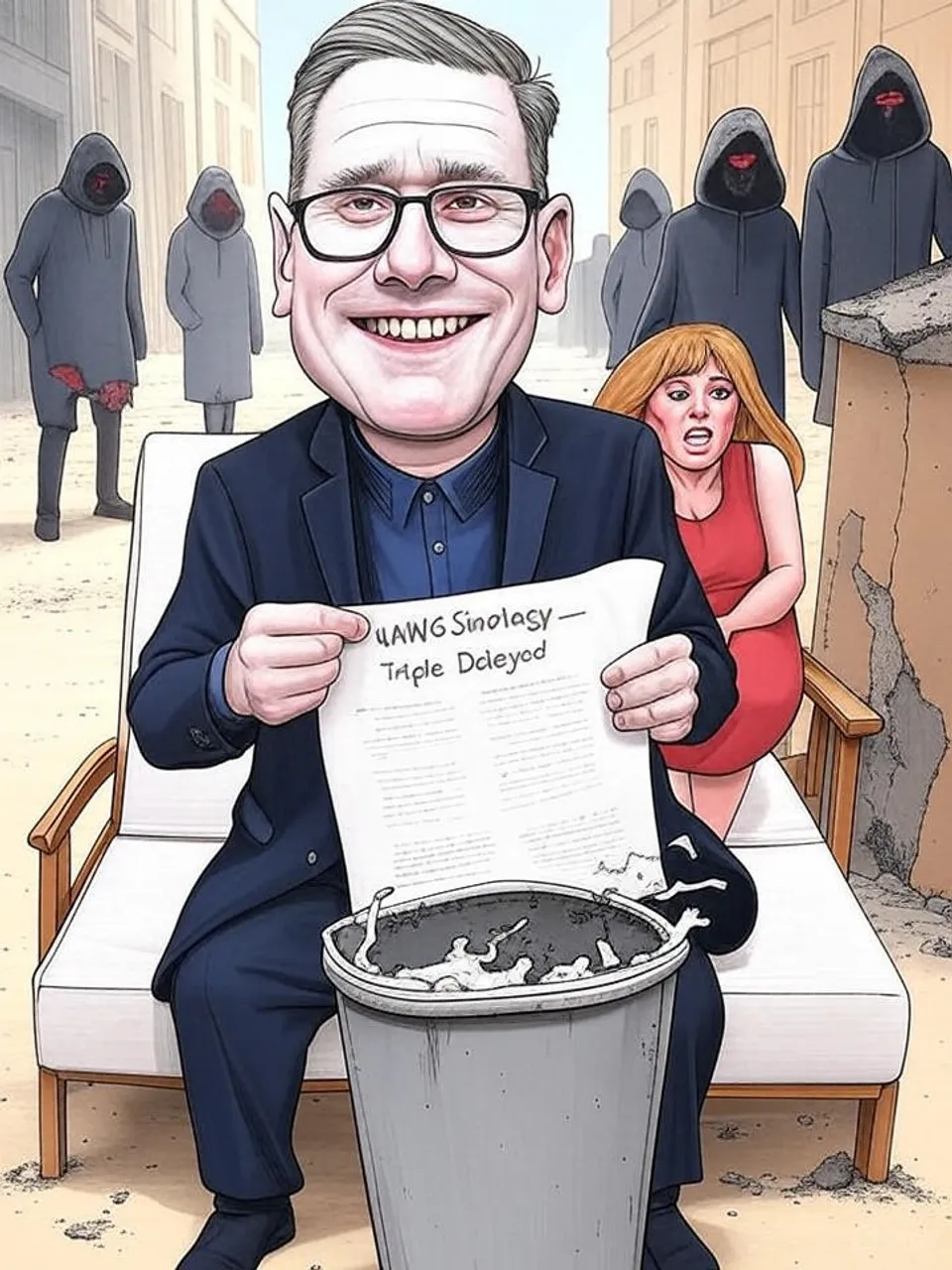
Labour targets boys' radicalisation amid 200 daily rapes and collapsing cases
Labour's VAWG strategy arrives after three delays, dumped before Christmas recess, with vague tools despite halving pledges. Systemic justice failures persist across parties, framing boys as threats while victims abandon broken processes.
Home Secretary Shabana Mahmood unveils the violence against women and girls strategy next Thursday, the day Parliament recesses for Christmas. Labour pledges to halve VAWG rates over the next decade. Details on core tools to track abusers remain unspecified.
Delays struck three times this year alone. MPs on the justice committee, led by Labour’s Andy Slaughter, warned that repeated postponements signal VAWG ranks low on priorities. Publication timing buries scrutiny under holiday news cycles.
Statistics underline the scale. Police record 200 rapes daily, with vast underreporting. One in eight women faced domestic abuse, sexual assault, or stalking last year; hundreds of thousands of children endure sexual abuse annually.
Teenage abuse hits 40% of relationships, per charity data. Ministers blame online influencers—over one in five young men view Andrew Tate positively—and target “radicalisation” of boys in schools, homes, and online. Teachers and parents receive mandates to intervene early.
This prevention pivot frames young males as the problem source. Government sources cite violence starting younger, demanding attitude shifts through education on misogyny and relationships. No evidence yet shows prior school programs curbed rates.
Abuser-stopping measures promise police empowerment and offender rehabilitation. Victims get pledged support amid systemic breakdowns: over half of rape and stalking cases collapse as victims withdraw, citing intimidation, economic abuse, and court delays. Police failures compound the original crimes.
A cross-departmental effort spans Home Office, Health, Justice, Education, and Science departments. Yet past strategies yielded no halving of VAWG; rates climbed under Tory and coalition governments too. Labour’s 2024 manifesto vowed action, but delivery mirrors predecessors.
Justice System Paralysis
Court backlogs persist from pre-Labour eras, exacerbated by pandemic fallout. Victims report process trauma exceeds assaults. No new funding or staffing figures accompany the blitz.
Survivor Hayley Johns demands proof beyond words. Annual statistics must show drops, she insists, or the plan proves pointless. Government rhetoric echoes unfulfilled pledges from 2010 onward.
Institutional patterns emerge. VAWG strategies recur across parties—2016 Conservative plan, 2021 refresh—yet police charges for rape fell 23% since 2016 peaks, per Home Office data. Deportation blocks on foreign offenders add unchecked risks.
Domestic focus sidesteps migrant crime data gaps. Article omits integration failures where cultural clashes fuel abuses, as seen in grooming scandals. Broader inflows strain police resources.
Economic coercion and stalking thrive in eroded communities. Trust in justice plummets: only 38% of women feel safe walking alone at night, per ONS. Strategies target symptoms while root dysfunction—underpolicing, underprosecution—endures.
This launch exposes governance inertia. Ambitious decade goals clash with vague mechanisms and recess timing. Labour inherits broken systems but replicates delay-and-declare cycles.
Britain’s VAWG crisis reveals deeper institutional rot: promises multiply as outcomes stagnate across governments. Young men become scapegoats in a failing justice machine that protects no one. Decline accelerates when accountability skips generations.
Commentary based on Boys to be target of UK's violence against women strategy at BBC News.