GP Workloads Block Shift to Prevention
Survey evidence shows consultation limits prevent the depth required for early intervention and sustained health advice.
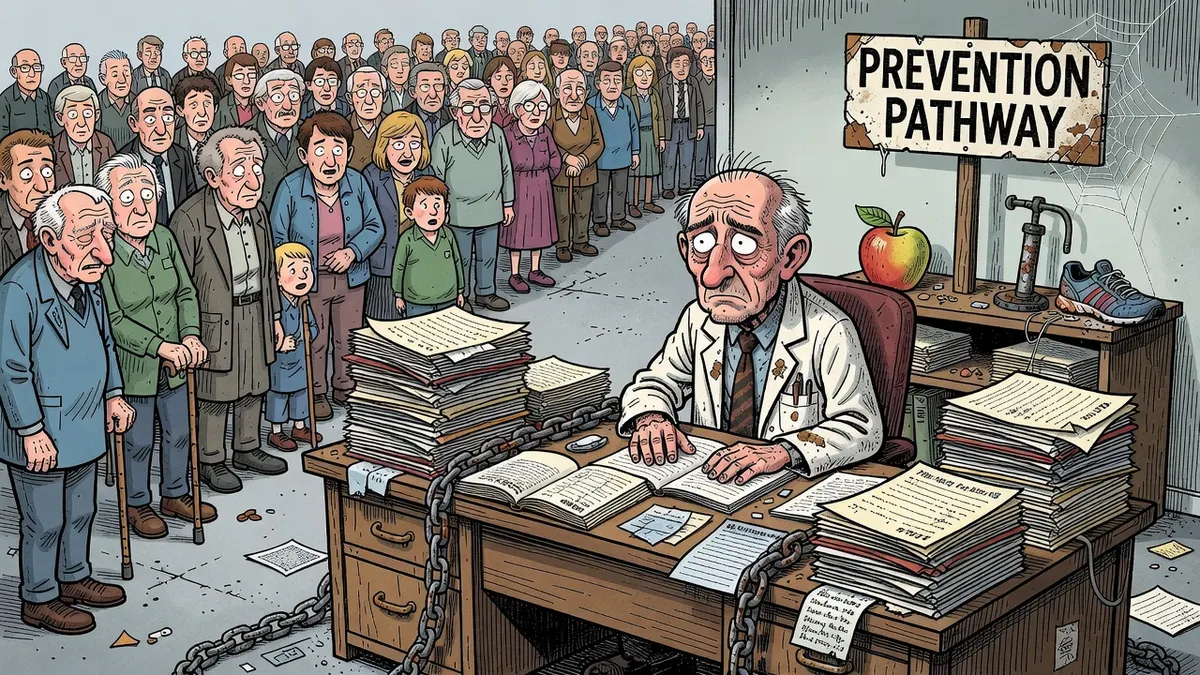
75 percent report no time for lifestyle advice despite government targets
GP workloads have squeezed out in-depth consultations for three-quarters of family doctors, according to a Royal College of General Practitioners survey of 2,316 practitioners. The same government that set a 10-year plan to move the NHS from treatment to prevention now faces evidence that basic capacity shortfalls prevent the required shift.
Survey Data on Time Constraints
The RCGP poll found 75 percent of GPs lack sufficient time to deliver preventative measures such as smoking cessation discussions, weight management advice or medication reviews. Ten-minute appointment slots and rising patient volumes force prioritisation of acute symptoms over longer-term health planning. This pattern matches earlier reports of NHS performance trailing peer nations on life expectancy and preventable disease outcomes.
Government Claims Versus Operational Reality
Ministers cited £1.7 billion in general practice investment and recruitment of 2,000 additional GPs as evidence of progress. They also pointed to record appointment numbers and 77 percent patient satisfaction with local services. The RCGP findings indicate these metrics do not translate into the extra consultation depth needed for early intervention.
Patient Trust and Missed Opportunities
A separate Censuswide poll of 2,000 voters showed 64 percent still trust GPs most for healthy living guidance, ahead of NHS websites or pharmacists. King’s Fund chief executive Sarah Woolnough noted that limited time risks missing conditions treatable at earlier stages. GPs report frustration that volume targets override the holistic assessments they were trained to provide.
Systemic Capacity Shortfall
The prevention agenda requires sustained reductions in demand through lifestyle change and early detection. Current structures instead channel resources into managing daily lists, leaving little margin for the extended conversations that convert identification of risk into sustained behaviour change. Historical comparisons show general practice once absorbed such advisory roles without separate prevention targets; that buffer has eroded as overall morbidity has risen.
Accountability and Resource Allocation
No mechanism exists to reconcile the government’s stated prevention goals with the time allocation reported by frontline staff. Additional funding has increased throughput without expanding the average consultation length or reducing the proportion of GPs reporting time pressure. The result is a persistent gap between policy language and measurable service capacity.
This episode illustrates how UK public services absorb new objectives while core delivery constraints remain unaddressed. Rising demand continues to outpace adjustments in staffing models and appointment structures, locking general practice into reactive rather than proactive patterns.
Commentary based on Three in four UK GPs ‘too busy to talk to their patients in depth’ at the Guardian.
← Back to commentary