Greggs Hides Fridges From 530,000 Thieves
Greggs removes self-service fridges amid a 133 per cent shoplifting surge, with charges below one in 20 cases. This reveals policing's retail abandonment, forcing chains into defensive layouts nationwide.
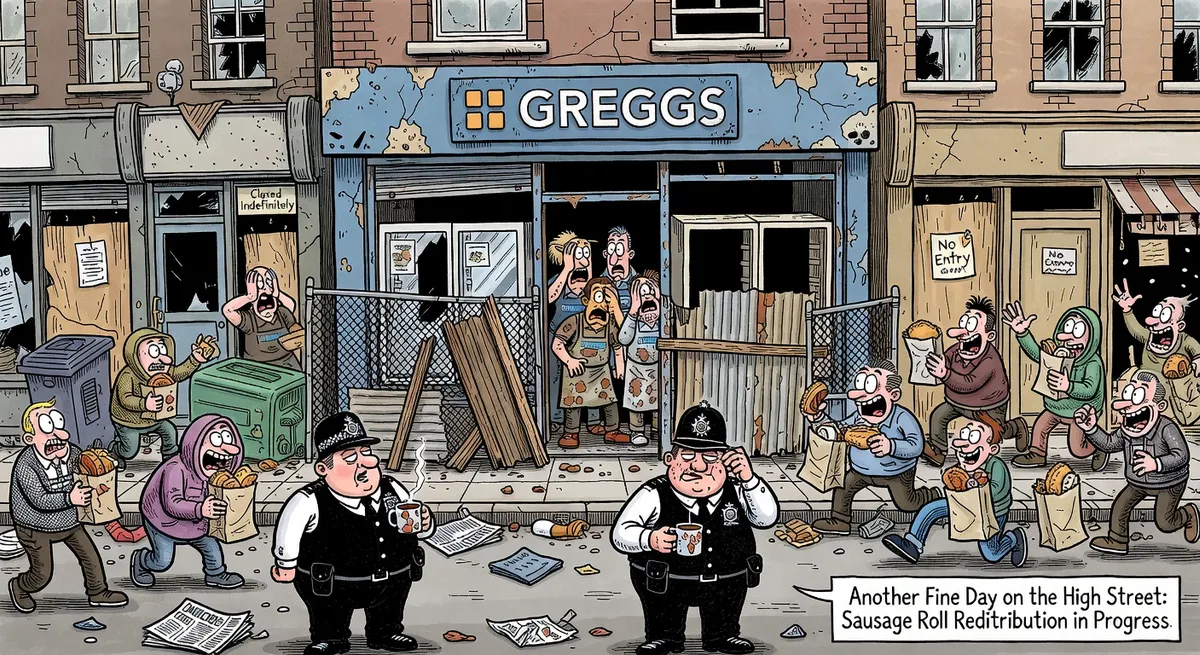
Prosecutions sink to 6.5 per cent as staff face assaults
Greggs shelves vanish from shop floors.
The bakery chain now keeps all cold drinks and sandwiches behind counters in trial stores across London, Birmingham, and Nottinghamshire. Staff hand items directly to customers, ending self-service access. This responds to rampant thefts that have made open fridges a liability.
Shoplifting offences in England and Wales hit 530,000 in 2024/25. That marks a 133 per cent rise from 228,000 cases five years earlier. Retailers face daily grabs of high-value items like energy drinks and pastries.
Prosecution rates collapsed. Fewer than one in five cases led to charges last year. The Metropolitan Police managed just 6.5 per cent.
West Croydon staff endured scalding tea thrown in a worker’s face. A security guard took belt lashes in another attack. Employees blame clusters of homeless people outside, using drugs and alcohol before entering to steal.
Peckham workers report easier shifts under the new system. Theft drops when items stay secured. Yet Greggs eyes nationwide rollout across 2,700 stores if trials succeed.
Prolific Offenders Evade Capture
One west London man hit the same store dozens of times. CCTV captured him stuffing bags with drinks as staff stood by. He admitted thefts but drew only a suspended sentence.
This offender exemplifies the norm. Police raids recover stolen goods flooding high streets, but repeat visits continue. Low charge rates let criminals treat shops as free stockrooms.
Retail leaders have demanded more police focus. Mobs ransack stores from Clapham to Wembley with few arrests. Frontline enforcement yields to resource shortages and policy shifts.
Policing Priorities Shift Away
Governments across parties promised retail crime crackdowns. Labour’s early months brought no reversal of the surge. Tory years saw offences double without matching convictions.
Charge rates hovered below ten per cent in major forces for years. Police redirect to other priorities like online harms or protests. Shop workers fill the gap, facing assaults without backup.
This echoes patterns in transport and public spaces. Unions strike over safety; mobs disrupt without consequence. Enforcement gaps span administrations.
Historically, UK policing cleared shop thefts at over 30 per cent in the 1990s. Recorded crimes stayed under 200,000 annually. Productivity in detection has halved since.
Economic Pressures Compound Theft
Shoplifting targets profitable items. Energy drinks fetch quick resale value. Greggs loses margins as thieves clear shelves unchecked.
Small stores close under the strain. High streets lose vitality when chains like Greggs fortify layouts. Customers queue longer for basics like sausage rolls.
Taxpayers fund the shortfall. Police budgets exceed £18 billion yearly, yet retail cases languish. Prosecutions demand court time that systems avoid.
Who benefits from impunity? Repeat offenders sustain habits. Networks resell goods on streets and online. Institutions dodge workload by deprioritising low-value crimes.
Functional governance would assign dedicated retail units. Clear 20 per cent of cases minimum. Rotate officers to high-crime zones with swift sanctions.
Instead, ordinary citizens dodge queues at secured counters. Workers risk violence for minimum wages. High streets degrade into defended zones.
This Greggs trial exposes retail’s frontline collapse. Shoplifting’s 133 per cent surge meets 6.5 per cent charges, turning shops into fortresses. Britain’s enforcement machinery fails citizens, eroding daily commerce and safety across party lines.
Commentary based on Greggs scraps front-of-store food and drink fridges amid nationwide shoplifting surge at GB News.
← Back to commentary