Hand-Picked Allies Shape Speech-Chilling Rules
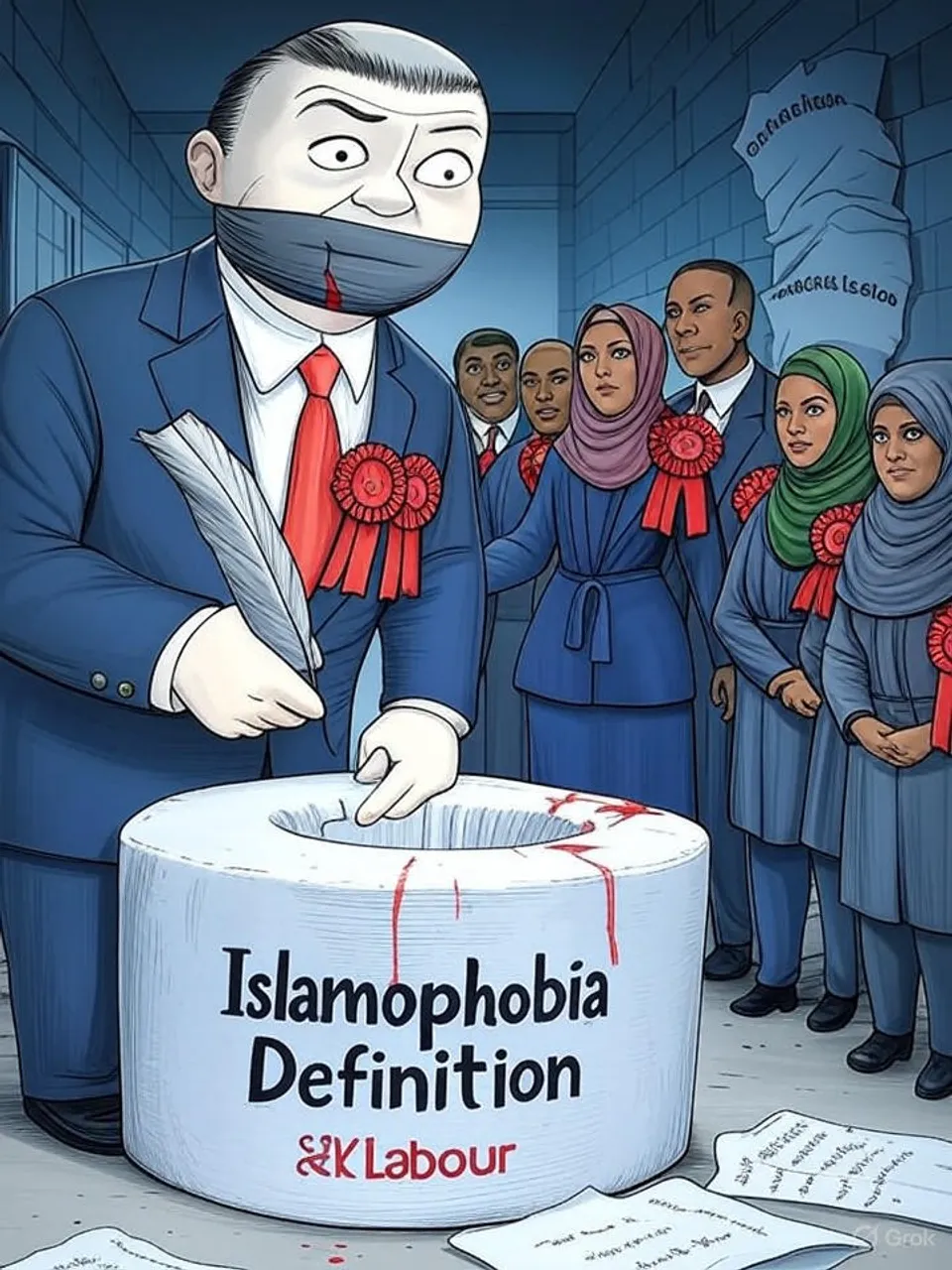
MHCLG bars Free Speech Union and EHRC while granting select groups private access
Government shields expansive Islamophobia definition from critics under 'safe space' pretext, exposing curated consultations that risk free speech as blasphemy curbs. EHRC warns of legal clashes amid exclusions of key watchdogs.
Ministry of Housing, Communities and Local Government officials denied the Free Speech Union access to the proposed Islamophobia definition, citing ministers’ need for a “safe space” to deliberate privately.
Yet select organisations gained private viewings and discussions.
This selective transparency exposes the consultation as a facade.
Lord Young of the Free Speech Union called it a “giant stitch-up.” Officials showed the text to “hand-picked groups of supporters,” while blocking Britain’s leading free speech advocate. Either confidentiality applies universally, or it serves as a barrier to critics.
Fiyaz Mughal, founder of Tell Mama—which tracked anti-Muslim incidents for government over a decade—faced exclusion too. His prior warnings that Labour’s opposition-era definition would “curtail free speech” likely prompted the snub. Critical voices stay outside.
Watchdog Sidelined
The Equality and Human Rights Commission criticised the process outright. Its call for evidence proved “extremely narrow,” ignoring legal complexities, and arrived late—after the working group nearly finished. EHRC, with statutory equality duties, received no formal invitation despite the topic’s fit.
A full public consultation would weigh risks and benefits, EHRC argued. Existing laws already cover discrimination and hate crime. A new non-statutory definition risks clashing with courts and creating confusion.
Communities Secretary Steve Reed oversees these proposals. The definition frames Islamophobia as racism, potentially expansive enough to equate religious critique with prejudice. Critics warn of de facto blasphemy laws stifling Islam discussion.
MHCLG dismissed accusations: the independent group heard “a broad range of views,” with online evidence call open to all. Verbal protections for free speech followed. This clashes with documented exclusions of FSU, Mughal, and EHRC.
Pattern of Opaque Governance
UK policy consultations often promise breadth but deliver curation. Hand-picked access favours aligned groups, while dissenters cite FOI blocks for “safe spaces.” Precedents span governments: similar closures marked hate speech reviews under Conservatives.
Free speech groups track this erosion. Expansive definitions—adopted by Labour in opposition—already chilled debate in party contexts. Public bodies, councils, and businesses adopting them amplify reach without parliamentary scrutiny.
Ordinary citizens face the fallout. Legitimate religious critique risks labels of racism, routed through HR complaints or council policies. Courts navigate inconsistencies as precedents build.
This process reveals institutional incentives. Ministers secure supporter buy-in pre-release, dodging robust challenge. Failed consultations produce flawed tools that embed in law and culture.
Accountability evaporates. No minister resigns over stitch-ups; working groups dissolve unscrutinised. Steve Reed advances amid denials, as EHRC warnings fade.
Broader decline sharpens into view. UK governance prioritises controlled narratives over open deliberation, repeating across parties since devolution expanded community portfolios. Free speech, once a bulwark, yields to managed definitions.
The uncomfortable truth: Britain’s policy machine engineers consent from allies, not citizens. This Islamophobia draft foreshadows more curbs dressed as protections, hollowing democratic discourse one closed door at a time.
Commentary based on Ministers accused of ‘stitch-up’ over Islamophobia definition by Camilla Turner on The Telegraph.