HMS Ambush Logs 1,222 Days in Port
Astute backlog strands nuclear fleet amid Russian advances
Delays leave Britain's submarines idle for years, slashing deterrence as Russia probes UK waters. Rear Admiral Mathias warns of total programme collapse across governments.
Britain’s nuclear submarine fleet faces collapse under delays and backlogs that leave boats idle for years.
Rear Admiral Philip Mathias, former director of nuclear policy at the Ministry of Defence, labels the situation catastrophic. The UK can no longer manage its nuclear submarine programme. Performance worsens across construction, maintenance, and delivery.
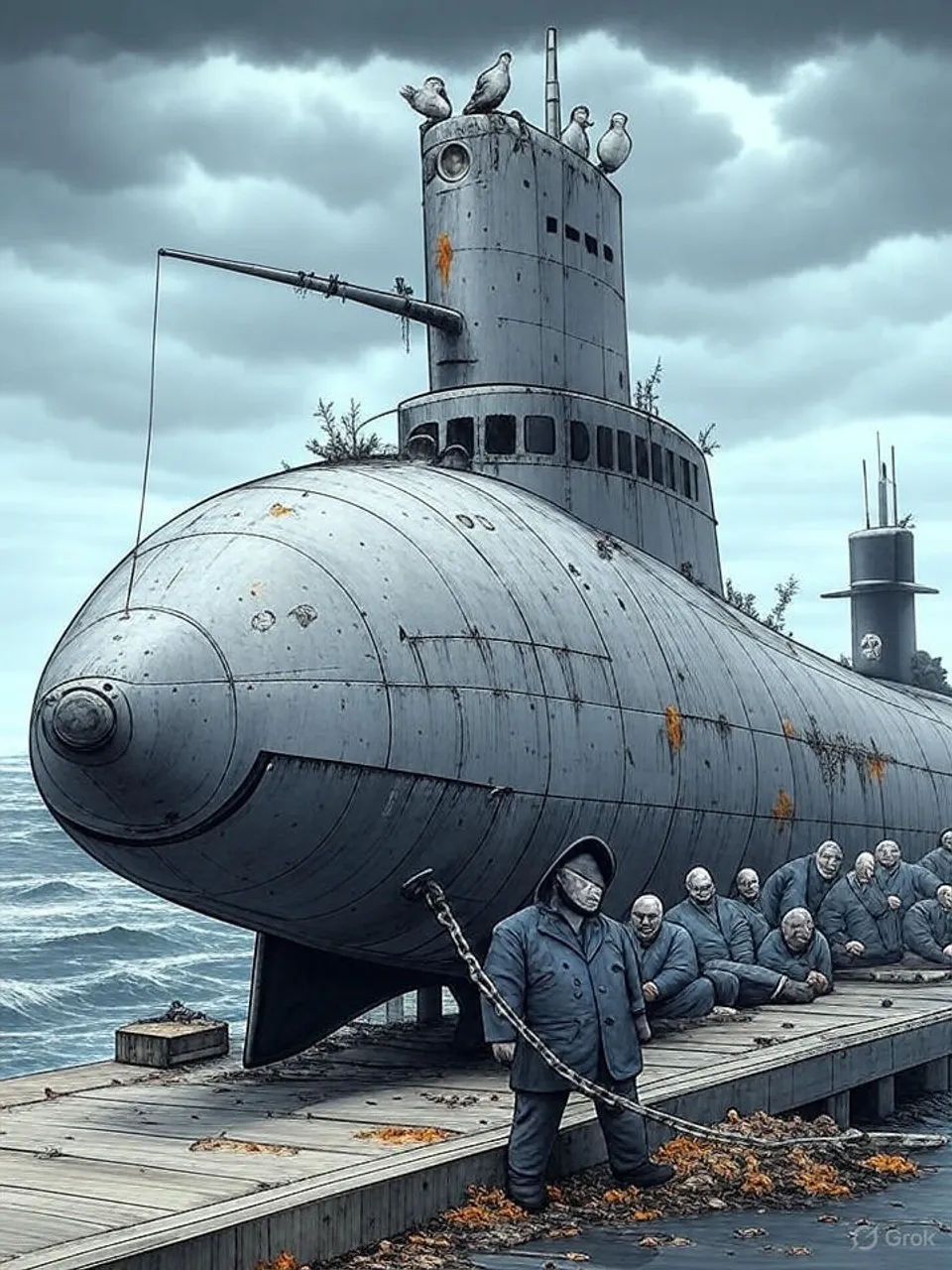
Astute-class attack submarines exemplify the breakdown. Six of seven planned boats serve, but most languish in port. HMS Ambush idled for 1,222 days—over three years—while Artful and Audacious exceed 950 days each in maintenance.
Vanguard-class boats carrying Trident missiles fare no better. Patrol durations stretched from 70 days in the Cold War to over 200 days now. This slashes availability against Russian submarines probing the North Atlantic.
Russia ramps activity in UK waters by 30%, Defence Secretary John Healey notes. Putin signals war readiness with Europe. Yet Britain’s stealth fleet delivers shockingly low deterrence.
Dreadnought replacements lag. HMS Agamemnon, the sixth Astute, took 13 years to build—the longest ever. Mathias urges cancelling AUKUS and redirecting funds to drones.
Maintenance Backlog Explodes
No fixes emerge. A massive Astute refit backlog grows unchecked. Industry delays compound government planning failures.
Historic cuts eroded skills. Personnel management collapsed. Delivery models changed repeatedly since the 1980s.
Decommissioning stands frozen. Twenty-three nuclear boats retired since 1980 remain undismantled. Rosyth’s project stalls, questioning UK’s nuclear stewardship.
Missile tests failed twice recently. A 2016 Trident from HMS Vengeance veered off course. Last year, HMS Vanguard’s missile dropped back into the sea.
Ministry Denials Ignore Reality
The Ministry of Defence insists Dreadnought stays on track. It cites £15 billion for warheads and sustained investment since the Cold War. A source claims the right people oversee it all.
Public data contradicts this. Satellite imagery and audits reveal submarine counts to adversaries. Mathias stresses all details sit in open reports.
Governments across decades share blame. Labour and Conservatives slashed defence spending, then pivoted to grand pacts like AUKUS. No administration built succession plans or held industry accountable.
This pattern mirrors wider defence decay. Procurement overruns hit every major platform since the 1990s. Strategic capabilities erode while budgets balloon.
Ordinary citizens bear risks. Taxpayers fund a fleet that patrols sporadically and builds slowly. National security rests on vessels rotting in dock.
Institutions reward this inertia. Officials rotate without consequence. Contractors profit from delays.
Britain’s nuclear deterrent, once peerless, now signals vulnerability. Adversaries count the gaps. The fleet’s paralysis exposes how power evades accountability in strategic decay.
Commentary based on Britain’s nuclear submarine fleet ‘no longer fit for purpose’ by Tom Cotterill on The Telegraph.