Knives Travel Unchecked on London-Edinburgh Train
A London man reached Edinburgh carrying multiple weapons after boarding in the capital, with police acting solely on reports of assault and suspicious behaviour.
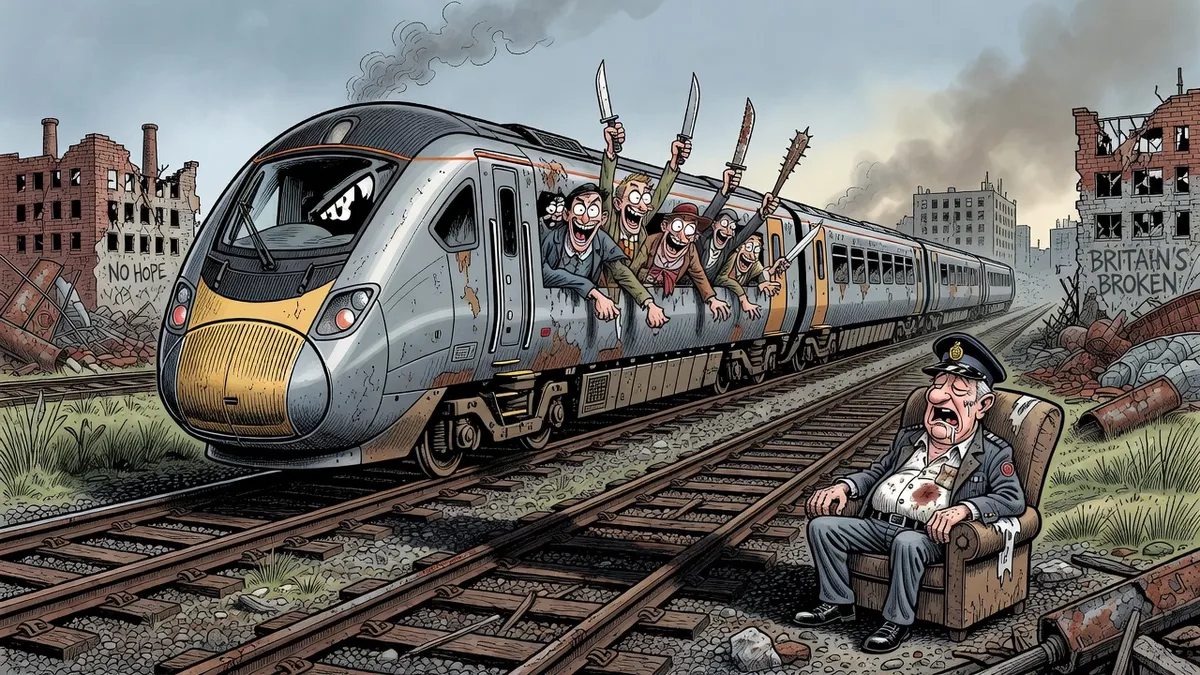
Arrest occurs only after passenger reports and arrival at destination
A 38-year-old London man reached Edinburgh Waverley carrying multiple knives and offensive weapons after boarding a train in London, where he also faced reports of assault and suspicious conduct.
British Transport Police responded only after passenger alerts prompted officers to meet the service at its destination. They seized the items on board and discovered an additional suspicious package in a rucksack, triggering a controlled explosion and temporary station evacuation. The incident was ruled non-terror related.
Reactive enforcement patterns
The sequence shows reliance on public reports rather than routine screening or intelligence-led checks at departure points. Weapons traveled the full length of a major Anglo-Scottish route before any intervention occurred. No details emerged on prior opportunities for detection during boarding or en route stops.
Similar rail and station incidents have recurred without measurable improvement in prevention metrics. British Transport Police data and Ministry of Justice figures record steady volumes of bladed article offenses on the network, yet operational responses remain case-by-case rather than systemic.
Accountability and resource allocation
The charges—possession of offensive weapons, assault, culpable and reckless conduct, breach of the peace—address the individual after the fact. No information addresses how the items entered the rail system or whether operator security protocols were followed. Previous government commitments to tighter knife enforcement and transport policing have produced no visible reduction in carriage of such articles on long-distance services.
Cross-border rail travel operates under fragmented oversight between multiple forces and operators. This structure disperses responsibility and limits coordinated action on weapons movement.
Systemic implications
Public transport now functions with minimal barriers to prohibited items between major population centres. The pattern aligns with wider shortfalls in everyday policing capacity, where responses activate only after harm or suspicion is reported. Citizens on intercity routes receive no assurance that routine journeys exclude concealed blades or other weapons.
The incident demonstrates how enforcement gaps allow threats to transit freely until external intervention occurs.
Commentary based on Londoner charged after ‘knives and other weapons’ seized at busy station by Tom Place on The Standard.
← Back to commentary