Labour's Election Delay Crumbles Under Legal Pressure
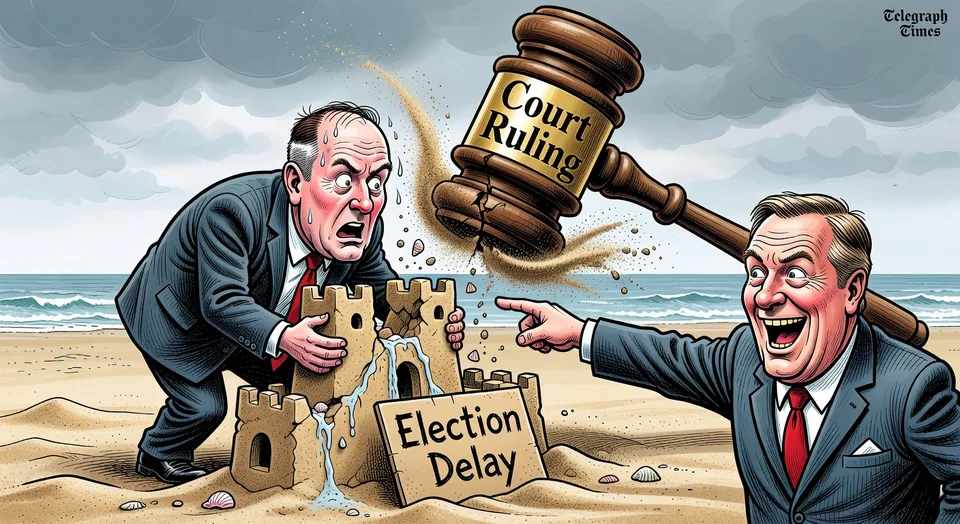
Thirty councils face ballot chaos after £100k taxpayer hit to Reform UK
Labour's abrupt reversal on delaying 30 council elections exposes governance fragility, legal opacity, and political miscalculation just months into power. Taxpayers cover costs while councils rush unprepared polls.
Keir Starmer’s team anticipated the U-turn on delaying 30 English council elections a week before announcing it. They described the reversal as inevitable and painful after Reform UK’s court challenge loomed. This retreat hands Reform a propaganda win and burdens councils with rushed preparations.
Insiders reveal frustration and annoyance within Labour ranks. Advisers predicted Nigel Farage would frame the cave-in as his victory, which he did. The government dodged a courtroom defeat but absorbed the political hit regardless.
Legal advice shifted, allies of Local Government Secretary Steve Reed claim. Officials cite “live legal advice” complicating policy-making, yet refuse details on the change. Ministers likely received warnings of losing the case.
The financial toll mounts. Labour covers its lawyers’ bills plus Reform’s costs exceeding £100,000. Taxpayers foot this without recourse, as the challenge dissolves.
Councils now scramble. With 2.5 months’ notice, they print ballots and staff stations for multi-ward contests. The District Councils Network warns voters face bewilderment from the chaos.
Justification Exposed as Flimsy
Ministers pitched delays citing local government reorganisation. Elections for councils potentially dissolving seemed wasteful to cash-strapped authorities. That logic evaporated under judicial threat.
Labour stood to gain politically. The party controls 21 of the 30 affected councils, per current tallies. Polls hinted at vulnerability, making delays a shield against losses.
Reinstatement flips the dynamic. Conservatives hold many seats at risk, amplifying their exposure under Kemi Badenoch. Reform, Liberal Democrats, and Greens eye gains on May 7.
Opposition presses transparency. Conservatives and Liberal Democrats demand publication of legal advice. Lib Dems plan a parliamentary opposition day to force disclosure, meeting Whitehall resistance.
Accountability Sidestepped
Steve Reed bears responsibility as secretary. Reform calls for his resignation; a government source dismisses it with a football quip. No internal consequences emerge.
This mirrors prior governance lapses. Labour entered office promising stability after 14 Tory years, yet stumbles months in on basic scheduling. Cross-party inertia defines the pattern—rushed reforms yield legal pitfalls.
Local authorities endorsed delays initially. Reorganisation strains budgets, with elections adding millions in costs. The U-turn overrides their input, prioritizing national optics.
Voters inherit disorder. Bewildered electorates navigate complex ballots amid reorg confusion. Ordinary citizens pay via disrupted services and higher council taxes.
Broader institutional rot surfaces. Governments across parties announce reforms without legal vetting, inviting challenges. Policy bends to courts, not deliberation.
Whitehall guards advice fiercely. Publication demands test this veil, revealing how opacity shields ministers. Functional governance demands upfront scrutiny, absent here.
The episode underscores early Labour fragility. Starmer’s team governs reactively, absorbing costs and embarrassment. This U-turn signals persistent UK decline: competent administration yields to legal brinkmanship and unaccountable retreats.
Commentary based on The fallout from Labour's local elections U-turn is not over yet at BBC News.