Lobby Briefings Shrink to Sporadic Stage-Managed Events
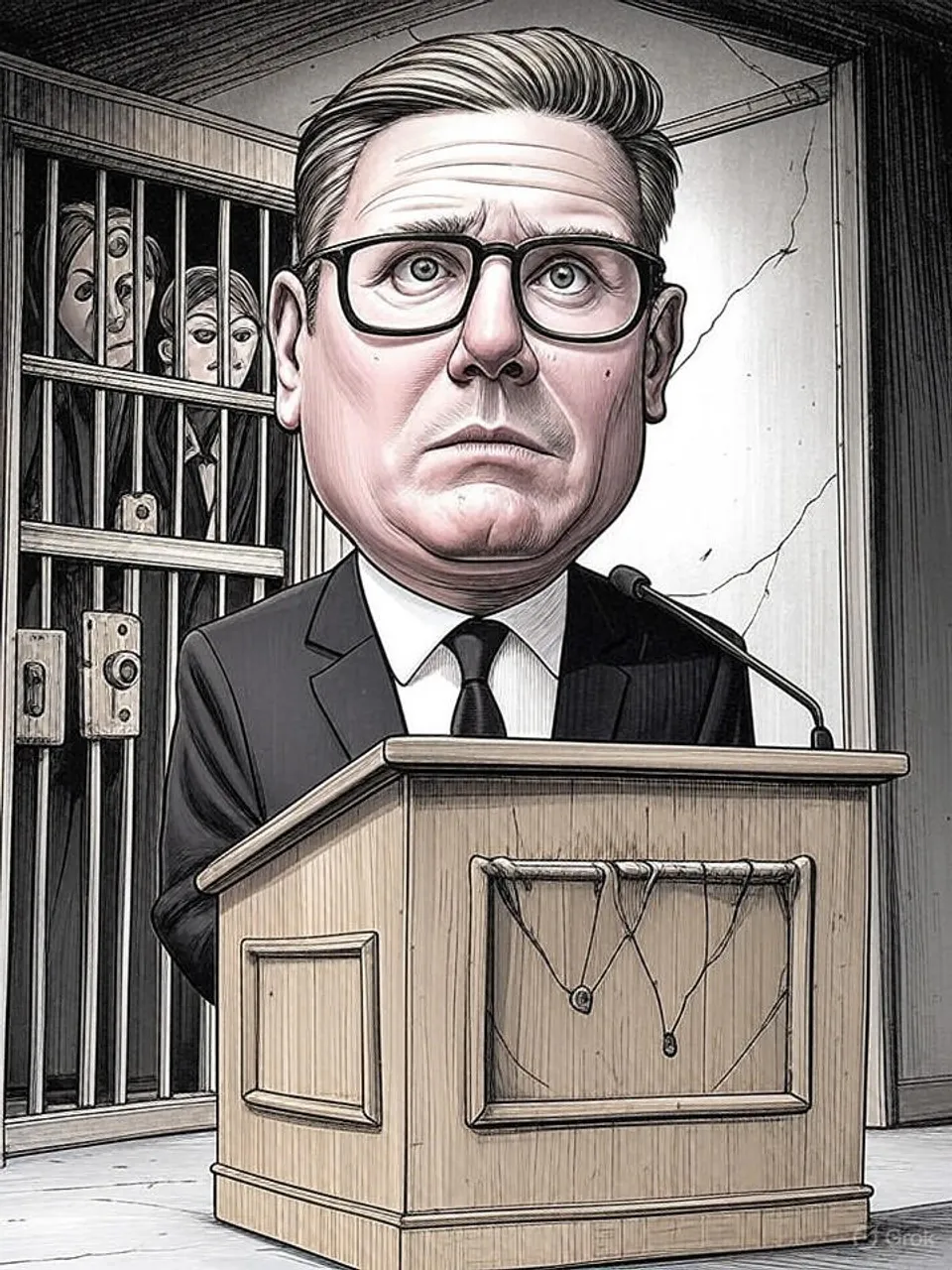
Starmer scraps daily scrutiny for influencer-friendly press conferences
Downing Street overhauls lobby system, cutting briefings and inviting content creators amid fury from journalists. The cross-party pattern erodes transparency as governments dodge accountability when polls plummet.
Downing Street scrapped afternoon sessions outright. Morning briefings yield to sporadic press conferences. Content creators join accredited reporters for the first time.
Lobby journalists received no advance warning. The announcement landed just before Christmas recess. Current and former press gallery chairs called it an unceremonious ambush.
They highlighted a core loss. Press conferences let ministers dictate timing and questioners. Lobby system gave every journalist equal shots at No. 10 spokesmen.
Tim Allan, the new executive communications director, drove the shift. He targets better public outreach through online channels. The New Media Unit expands to micro-target voters on social platforms.
Government insiders view traditional lobby as outdated. They accuse journalists of fixating on gossip over policy. Curbing briefings aligns with disdain for scrutiny that hounds ministers.
This echoes Boris Johnson’s 2020 move. He banned select reporters from briefings. Labour then decried it as cherry-picking access, with shadow ministers demanding open information flows.
Labour now reverses course eighteen months into power. No protests from opposition benches this time. The symmetry exposes selective outrage on press freedom.
Scrutiny Erosion
Both parties act when polls sour. Johnson’s gambit came amid early scandals. Starmer’s follows record-low approval ratings.
Lobby influence has waned since its heyday. Yet it remained a rare equaliser. Reporters probed without pre-vetting, forcing on-the-spot answers.
Press conferences invert that dynamic. Ministers pick friendly voices in advance. Transparency drops from routine to rationed.
Allan pushes specialist briefings too. That merits support. But it sidesteps the overhaul’s main thrust: fewer chances to grill the centre.
Authoritarian Drift
Changes fit a pattern. Military chiefs face gags on public comment. ID cards return under new guises. Jury trials vanish in select cases.
Starmer’s team frames it as modernization. New media demands influencer access. Guido Fawkes and GB News already hold lobby accreditation.
Reality differs. Governments bypass lobby when messages falter. Voters consume online, but controlled feeds amplify spin over substance.
Policy woes persist untouched. Communications tweaks dodge deeper failures. Poor decisions drive public souring, not just botched briefings.
UK governance once balanced access with accountability. Lobby system enforced that since the 19th century. Now parties erode it on arrival in power.
Institutions adapt to shield leaders. Cross-party repetition cements the norm. Ordinary citizens lose unfiltered insight into No. 10 operations.
This overhaul signals deeper rot. Governments prioritise narrative control over open interrogation. Britain’s democratic machinery grinds toward managed opacity, unchanging across tenures.
Commentary based on Keir Starmer just declared war on the lobby by James Heale on The Spectator.