Lord Chancellor Targets Magna Carta Safeguard
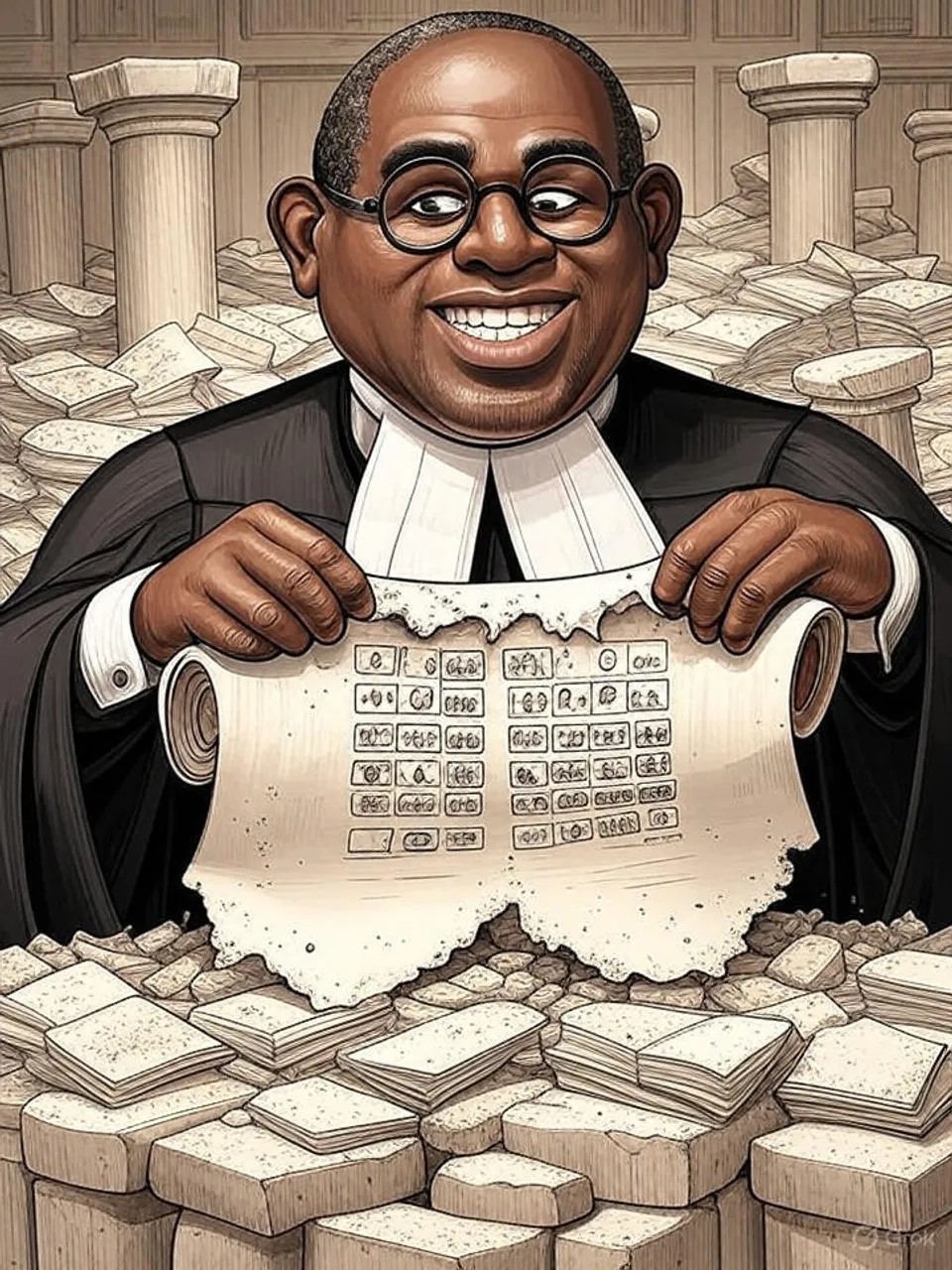
Lammy memo eyes jury phase-out amid 2030 trial delays
Justice Secretary David Lammy proposes ending jury trials for most crimes, eroding an 800-year Magna Carta right. Fiscal crises drive the shift, centralizing power in judges as backlogs hit 2030.
David Lammy’s memo calls for jury trials in Crown Courts only for the gravest offenses. He states flatly that no right to jury trial exists. This proposal guts an 800-year institution while courts backlog cases to 2030.
The justice system starves for funds. Trials delay years due to barrister shortages and court understaffing. Government attributes woes to inherited crises, yet funding fell 27% in real terms since 2010 across Tory and Labour tenures.
Juries trace to Henry II in 1179. They replaced ordeals and combat trials, drawing from Anglo-Saxon witness groups. By 1215, Magna Carta’s Clause 39 enshrined judgment by peers as core to freeman liberty.
Magna Carta’s Living Clause
Clause 39 endures in English law, fused with Clause 40 on justice access. It birthed U.S. Sixth Amendment language verbatim. Blackstone deemed juries the “palladium” of English liberties, shielding against official abuse.
Juries distribute judgment power. Twelve locals weigh evidence, ignorant of priors, curbing state bias. Officials favor professional judges for efficiency, but data shows juries convict at rates matching benches—79% versus 77% in 2023 Crown Court stats.
Efficiency’s Hidden Cost
Lammy pitches judge-alone trials to slash delays. Pilot schemes in fraud cases cut hearing times by 20%. Yet this centralizes power in state appointees, echoing pre-jury eras of unchecked authority.
Fiscal drag drives the shift. Courts absorb £2.5 billion yearly, with 40% of budget on staff facing 10% real-terms cuts since 2010. Ministries raid justice budgets for prisons and police, leaving trials as collateral.
Patterns emerge across sectors. NHS rations care via panels, not patients. Councils outsource waste to criminals for savings. Rights erode where budgets thin, regardless of ruling party.
No minister faces reckoning. Predecessors like Raab and Buckland pledged court reforms that stalled. Lammy inherits the mess but accelerates jury dilution, with zero accountability loops.
Citizens lose peer judgment first in mid-tier crimes: rape, wounding, fraud. Defendants face lone judges, often metropolitan, remote from local norms. Conviction risks rise subtly as diversity quotas shape bench demographics.
Institutional Pathology Exposed
This recurs because incentives align. Officials prioritize throughput over tradition. Short-term fixes compound long-term fragility, as seen in 1990s single-judge rape trials reversed for bias.
Functional governance would fund adequately and preserve juries. Instead, UK diverges from peers: France retains juries for assizes, Germany for majors. Britain’s jury scope shrinks uniquely, from 5% of cases now targeted for zero.
Ordinary people bear the toll. Jurors dodge service already; abolition removes civic bulwark. Suspects and victims alike forfeit community verdict, amplifying distrust—court confidence polls at 50%, down from 70% in 2012.
Lammy’s move confirms the trajectory. Ancient safeguards crumble under modern penury. UK institutions trade liberty for expedience, documenting a realm where Magna Carta yields to memos.
Commentary based on Wrong Side of History by Ed West on edwest.co.uk.