Mail Racks Swell with Weeks-Old Letters
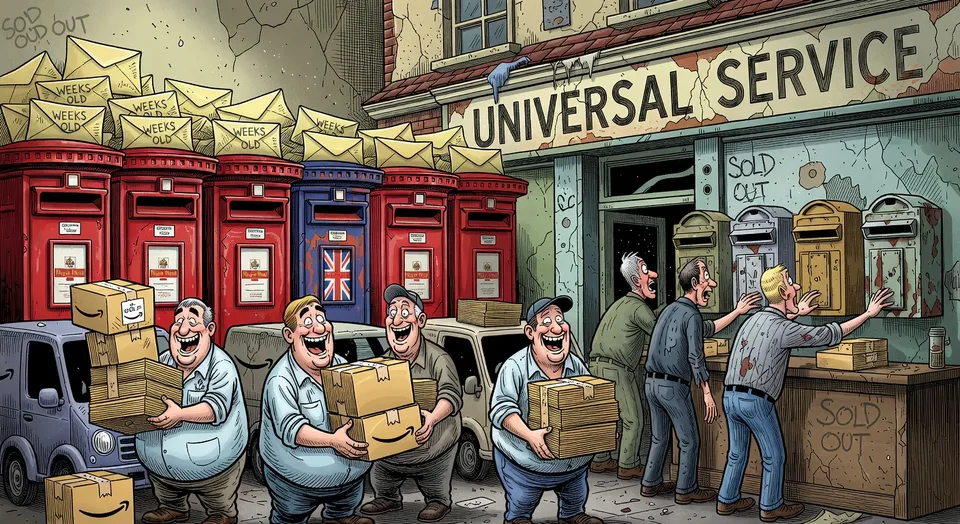
Postmen skip rounds daily while tracked parcels clear first
Royal Mail staff confirm letters rot in depots for weeks as parcels take priority, causing missed NHS appointments and exposing the death of universal postal service under profit pressures.
Commentary Based On
BBC News
Royal Mail staff tell BBC letters sit undelivered as firm prioritises parcels
Over a dozen Royal Mail postmen from separate delivery offices report skipping entire daily rounds. Letters pile up for weeks in depots, untouched. Parcels, especially tracked ones, always go first.
Customers feel the fallout directly. Hundreds contacted BBC about delayed mail causing missed NHS appointments, late school certificates, and bank statements. Juliet from Crawley received hospital letters after their dates; Bernard in Worcestershire called first-class post a “complete mess.”
Staff whistleblowers number more than 20 across the UK. Nineteen confirmed parcels trump letters every day. One postman shared photos of full racks and a first-class tray stagnant for two weeks.
Vans fall short, forcing shared routes loaded with 300-plus parcels plus letters to 800 houses. Postmen describe it as impossible. Tony, a veteran worker, says conditions rank as the worst ever, with no mail sorted over two Christmas days.
Royal Mail pins delays on storms Goretti, Ingrid, and Chandra, plus staff illness. They list 38 affected offices serving 105 postcodes. A spokesman insists the vast majority arrives as planned.
Postmen counter with understaffing. Post-Christmas, extra hires vanish, overtime shrinks to nothing, and annual leave leaves rounds uncovered. Tracked parcels clear daily for office stats; untracked letters do not.
Royal Mail holds a legal duty to deliver letters daily, barring 35 trial offices testing slower targets. Ofcom fined them £37 million recently for poor performance. The regulator vows to keep pressing.
New owners, Czech billionaire Daniel Křetínský’s ED Group, bought in April. They pledged to prioritize employees and customers. The Communication Workers Union backed the deal but now labels Royal Mail “a company in crisis.”
Parcels dominate revenue and space. Royal Mail admits they build up fast, posing depot health risks. Staff confirm second-class large parcels sneak ahead to clear clutter.
Universal Service Frays
This marks the erosion of a core public function. Royal Mail once guaranteed nationwide letter delivery six days a week. Commercial pivot to e-commerce parcels guts that promise.
Privatization unlocked profits but severed reliability. Czech ownership follows years of state sell-off under Thatcher, with Labour and Tories tweaking rules since. Universal service obligation persists on paper only.
Vulnerable citizens pay the price. Missed NHS letters delay care in an already strained system. Fines hit for late bills amid 5.2% unemployment and rising costs.
Patterns of Institutional Drift
Regulators fine but fail to enforce. Unions endorse sales then decry crises. Companies blame weather while staff expose routines.
Dartmoor sheep vanish without prosecutions; pneumonia floods hospitals unchecked. Royal Mail joins a roster of services where promises dissolve into backlog.
Governments across parties loosen rules, chasing growth over duty. Ofcom’s penalties sting less than parcel margins.
Staff shortages recur yearly, peaking post-holidays. No hires materialize despite warnings. Depots prioritize stats over service.
This exposes profit’s triumph over public need. Once a lifeline for remote and elderly Britons, letter post now burdens the ill and isolated. Commercial logic hollows out what governments refuse to reclaim.
Royal Mail’s collapse signals deeper rot in privatized essentials. Britons lose reliable mail as firms chase parcels, leaving letters—and lives—stranded. The universal service dies not from storms, but from systemic choice.
Commentary based on Royal Mail staff tell BBC letters sit undelivered as firm prioritises parcels at BBC News.