Markets Narrow Healey's Budget Margin to a Fraction
Treasury admits reduced options as external shocks collide with eroded buffers and rising borrowing costs.
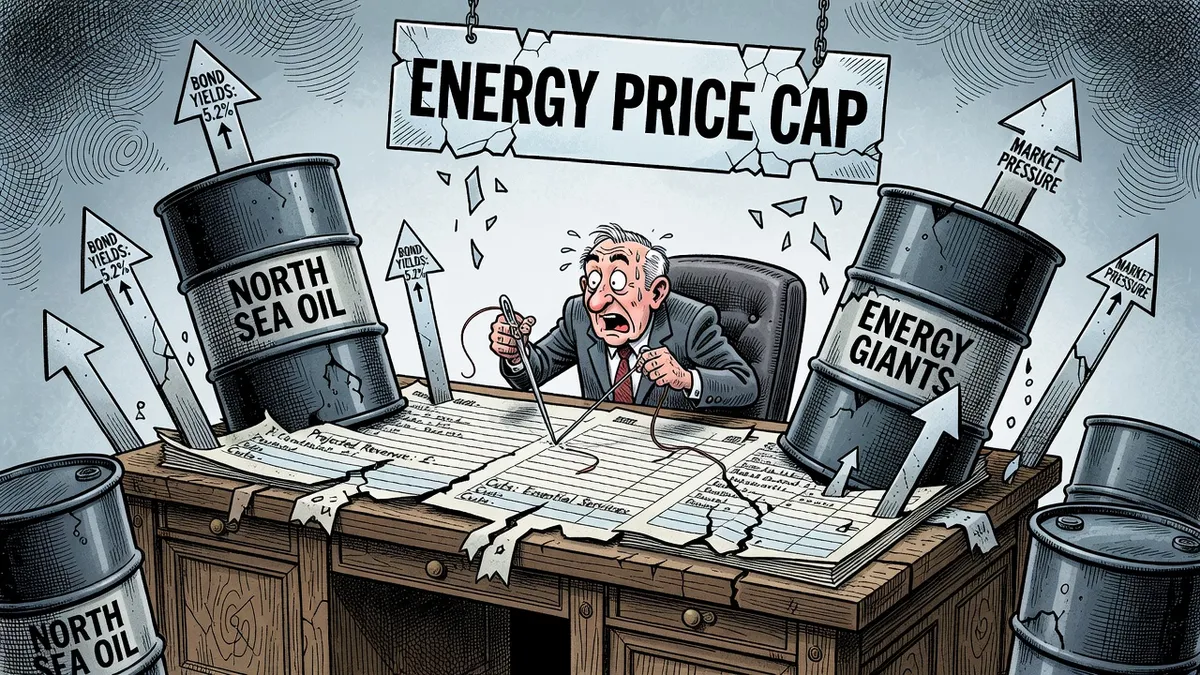
Oil at $108 and gilt yields at 5.39% halve fiscal headroom before energy cap rises 24%
Oil prices reaching $108 a barrel have forced Treasury officials to concede they now have less room for manoeuvre ahead of the budget than they did a month earlier. This admission undercuts repeated claims that economic prospects remain stable enough to deliver targeted relief without straining fiscal rules.
Brent crude climbed nearly 5 percent in a single day amid ongoing clashes tied to the Iran conflict. The Bank of England now projects the energy price cap could rise by as much as 24 percent in January. Officials are examining only narrow measures such as shifting green levies to general taxation or limiting aid to the poorest households.
Limited Options Exposed
Any support package is expected to stay far below the scale of Liz Truss-era subsidies. Treasury sources cite existing commitments, including the VAT cut on electricity bills, as already consuming available headroom. Targeting the poorest is viewed internally as difficult to deliver at speed or scale.
Ten-year gilt yields have reached 5.39 percent. Analysts calculate that recent bond market moves have erased more than half of the £24 billion fiscal buffer built up by March. Rebuilding that margin would require tax rises or spending reductions that the Treasury insists will not appear in the upcoming budget.
Interest Rate Pressure Mounts
Bank of England officials have warned that sustained high energy prices raise the risk of second-round inflation through wage bargaining and price setting. Deputy governor Sarah Breeden and chief economist Clare Lombardelli both stated that further rate increases become more likely if the shock persists. Higher rates would directly increase mortgage costs at the moment when ministers have promised households breathing space.
These developments compound an existing pattern. UK public finances have repeatedly overshot independent forecasts, with August borrowing already exceeding projections by £3.5 billion. Each external shock now collides with thinner buffers and higher baseline borrowing costs.
The combination leaves policymakers with fewer levers. External commodity movements dictate the margin for domestic policy, while fiscal rules and market yields constrain the response. This dynamic has held across multiple governments and shows no sign of reversal.
Commentary based on Oil price rise creates more pressure on UK policymakers before budget at the Guardian.
← Back to commentary