Neck Wound Hangs a Life in Birmingham's Balance
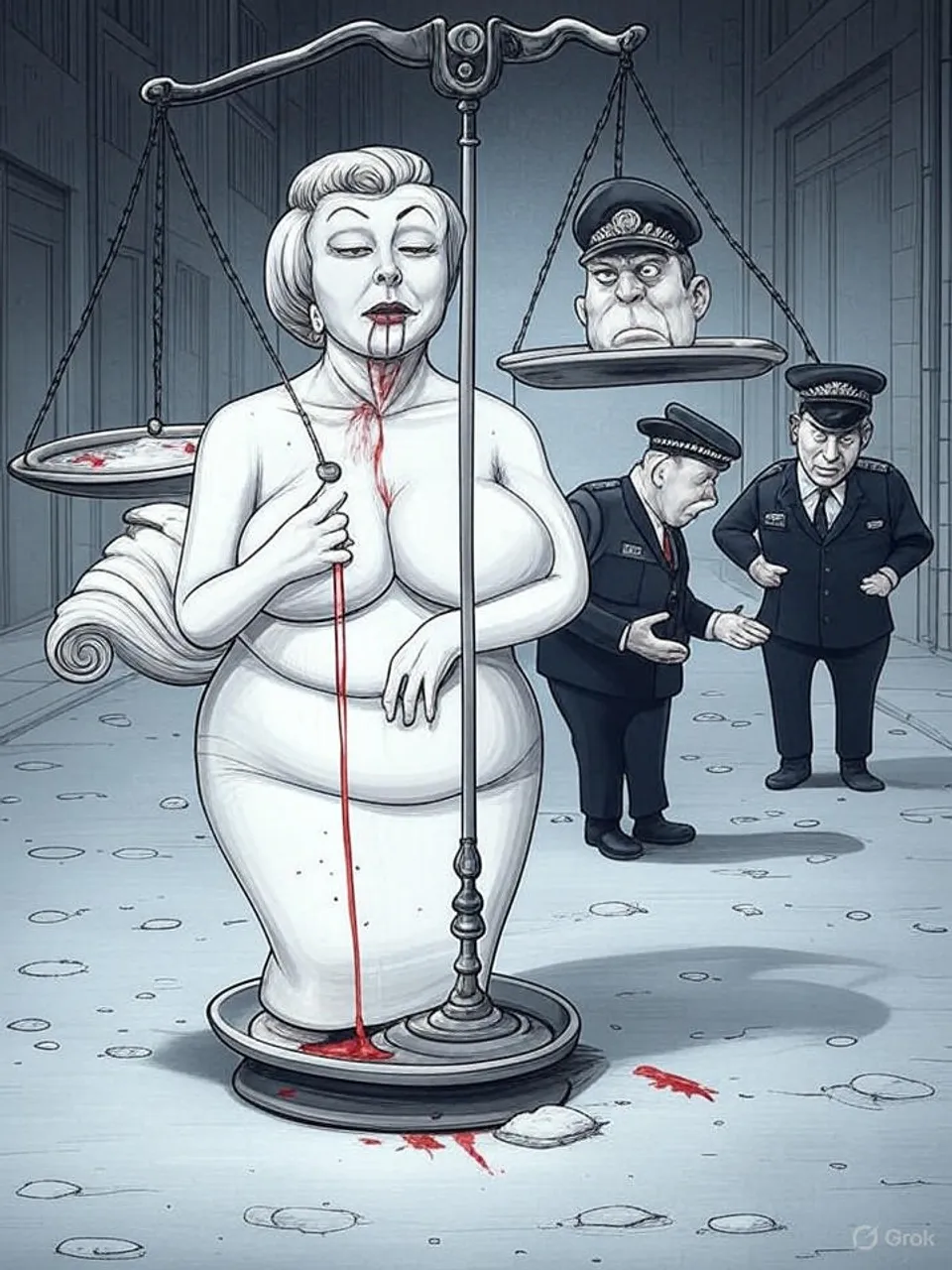
Unprovoked stab leaves woman critical amid persistent urban blade threats
A Friday night stabbing in Birmingham exposes gaps in knife crime prevention, where official progress masks rising vulnerabilities and institutional failures across governments. The incident underscores how everyday streets turn lethal without addressing root causes.
Commentary Based On
The Independent
Woman stabbed in neck in ‘unprovoked’ Birmingham attack in critical condition
A woman in her thirties lies in critical condition after a knife sliced into her neck on a Birmingham street, the latest marker of unchecked urban peril.
Police label the attack unprovoked, arresting a man in his twenties nearby. Yet this classification does little to explain the blade’s ready access or the vulnerability it exposes in a city center teeming with Friday night crowds. The incident occurred on Smallbrook Queensway, a busy thoroughfare, underscoring how routine public spaces now harbor lethal risks.
West Midlands Police dispatched officers for reassurance patrols the following day. Such measures follow protocol but address symptoms, not the surge in knife-enabled assaults that official statistics downplay. Last year, knife crime dipped by five percent nationwide, yet it still claimed 262 lives and injured thousands more, per Home Office data.
Birmingham has seen repeated flares of violence. Fireworks-fueled youth clashes targeted officers and residents just months ago, straining emergency responses already stretched thin. This stabbing fits a pattern where isolated “unprovoked” acts reveal deeper fractures in community safety nets, from youth disengagement to inadequate weapon controls.
Enforcement removes some blades from circulation, but root causes persist. Deprivation in urban cores like Birmingham’s fuels cycles of aggression, with social support programs underfunded across successive governments. The 2023 knife crime strategy promised targeted interventions, yet hospital admissions for stabbings rose twelve percent in the West Midlands alone.
Institutional responses cycle through arrests and inquiries without structural reform. Prevent schemes track ideological threats but overlook everyday susceptibilities to violence, as seen in recent terror-linked attacks. Here, police seek witnesses via a standard log number, but public trust erodes when such calls yield little beyond temporary custody.
The arrested man’s profile remains undisclosed, mirroring how investigations prioritize containment over prevention. Migrants, locals, or transients—all feed into a system that fails to deter. This leaves ordinary citizens navigating streets where a random encounter can end in critical care.
Broader data paints a grim portrait. England and Wales recorded over 50,000 knife offenses in the year to June 2024, with urban areas bearing the brunt. Political rhetoric celebrates marginal declines, but the human toll—women walking home, families awaiting outcomes—accumulates unchecked.
Accountability gaps widen the divide. Ministers from both parties tout tougher sentencing, yet prison overcrowding doubles erroneous releases, including violent offenders. In Birmingham, this stabbing demands scrutiny of how policing budgets, cut by twenty percent since 2010, leave forces reactive rather than proactive.
The pattern endures regardless of who holds power. Labour’s inheritance includes Tory-era austerity that hollowed out youth services; now, fresh pledges face fiscal voids exceeding £50 billion. Functional governance would integrate enforcement with social investment, but inertia prevails.
This attack reveals Britain’s urban fabric fraying at the edges. Public safety, once a baseline expectation, now hinges on luck and fleeting patrols. Citizens pay the price for systemic neglect that prioritizes headlines over lives, accelerating a national decline where streets grow ever more unforgiving.
Commentary based on Woman stabbed in neck in ‘unprovoked’ Birmingham attack in critical condition at The Independent.