Neville's Restaurant Shields Him from £519k Tax Claim
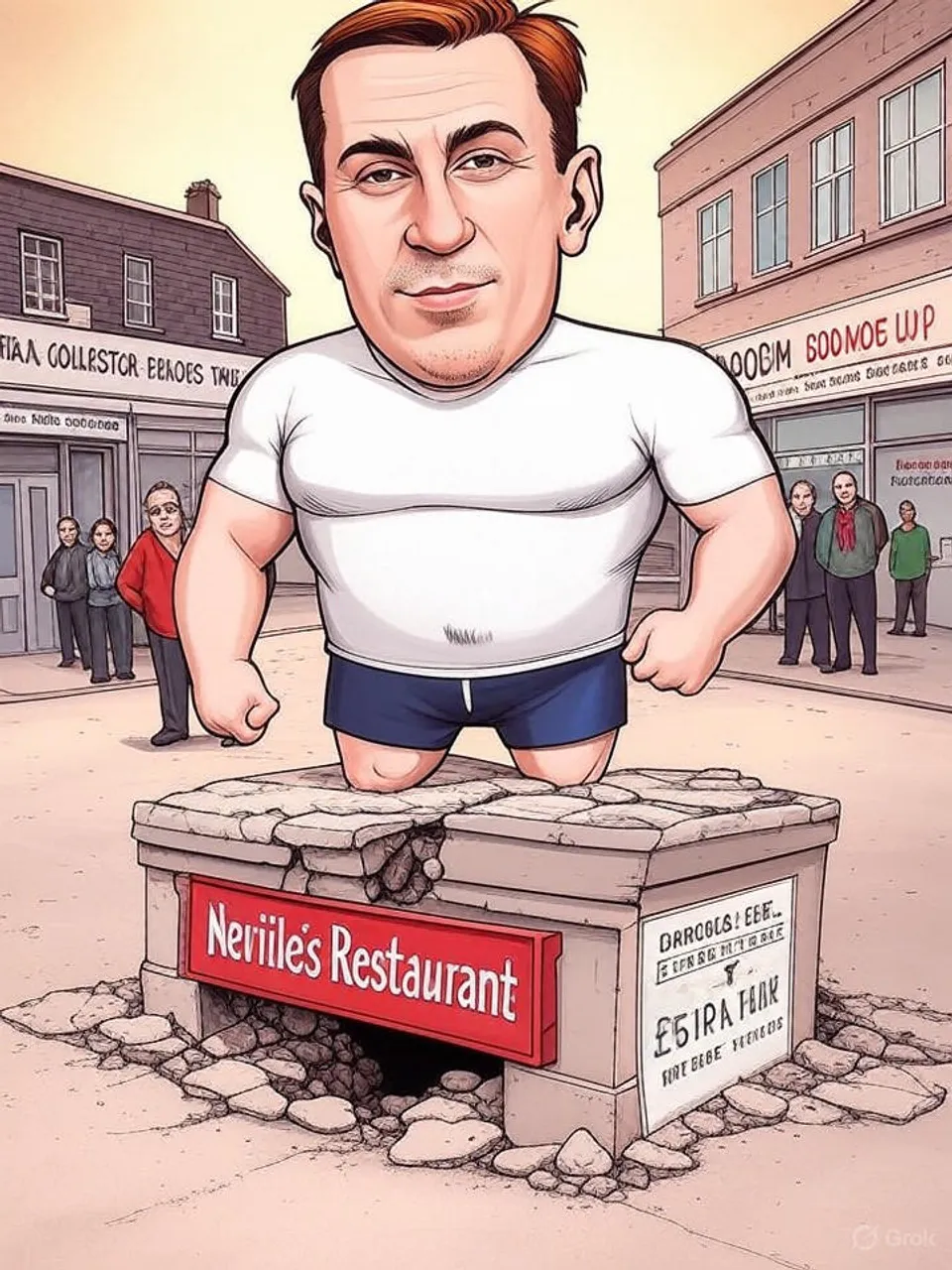
Liquidators confirm zero recovery as HMRC tops £1m creditor list
Gary Neville's failed Leeds eatery leaves HMRC with £519k unpaid taxes despite his wealth and tax advocacy. Limited liability lets elites walk away, widening public revenue gaps in a strained economy.
A Leeds Michelin-starred restaurant co-owned by Gary Neville collapsed into liquidation, saddling HMRC with a £519,000 unpaid tax bill. Liquidators report total debts near £1 million against assets of just £9,500, ensuring creditors recover nothing. Neville, with a net worth of £70-100 million, declines to cover the debt personally.
Neville held a 50% stake through Relentless Leisure, listed as a £366,000 creditor. A £500,000 director’s loan repayment stands uncertain. Chef Michael O’Hare, who ran daily operations, ignored liquidator queries on his £609,000 connected loan.
The venue charged £135 per head upfront, escalating to £165 for a 14-course tasting menu plus £155 wine pairings. Promoted as a “luxury event” with black marble interiors and dishes like scallop-plankton focaccia, it held Michelin status for years before Covid and downturns forced closure.
Neville’s spokesman frames him as a passive investor who poured in funds, took none out, and suffered losses. He blames external pressures, not operations, for the failure. No personal payment follows, despite his public calls to tax the wealthy and endorsement of Labour leader Keir Starmer.
Limited Liability in Action
Company structures like Neville’s protect shareholders from business debts. HMRC ranks as the largest creditor here, absorbing the full tax shortfall. Ordinary taxpayers fund HMRC operations and face their own liabilities without such shields.
This echoes patterns in high-profile failures. Elite investors back ventures, extract what they can via loans or fees, then exit via insolvency. Public revenue gaps widen, straining budgets already hit by welfare explosions and service decay.
Neville’s case spotlights the disconnect. He critiques “angry, white, middle-aged men” online while his firm leaves a half-million tax hole. Vocal progressive stances contrast with actions that shift costs to the state.
Recurring Elite Insulation
UK insolvency data shows HMRC wrote off £8.6 billion in 2023 alone from failed firms. Connected figures like celebrities or executives often emerge unscathed, loans forgiven or assets ringfenced. Governments across parties maintain these rules, prioritizing business ease over revenue recovery.
Contrast this with everyday enforcement. DWP issues 200 daily sanctions on benefit claimants, recovering pennies. Small traders face aggressive pursuit, while big names leverage legal separation.
The pattern erodes tax fairness. Public trust in revenue collection falls as 39% of men reject national sacrifice, per recent polls. Elites model consequence-free risk, deepening cynicism.
Neville’s stance reveals institutional tolerance for elite shortfalls. Governments sustain limited liability to lure investment, but it backfires amid economic contraction. Taxpayers bear the load as cohesion frays.
This episode cements a core decline: power insulates the prominent while ordinary burdens mount. Business failures now routinely orphan public debts, across Labour backers or otherwise. UK governance rewards detachment, not delivery.
Commentary based on Gary Neville restaurant collapse leaves £519k unpaid HMRC tax bill at GB News.